
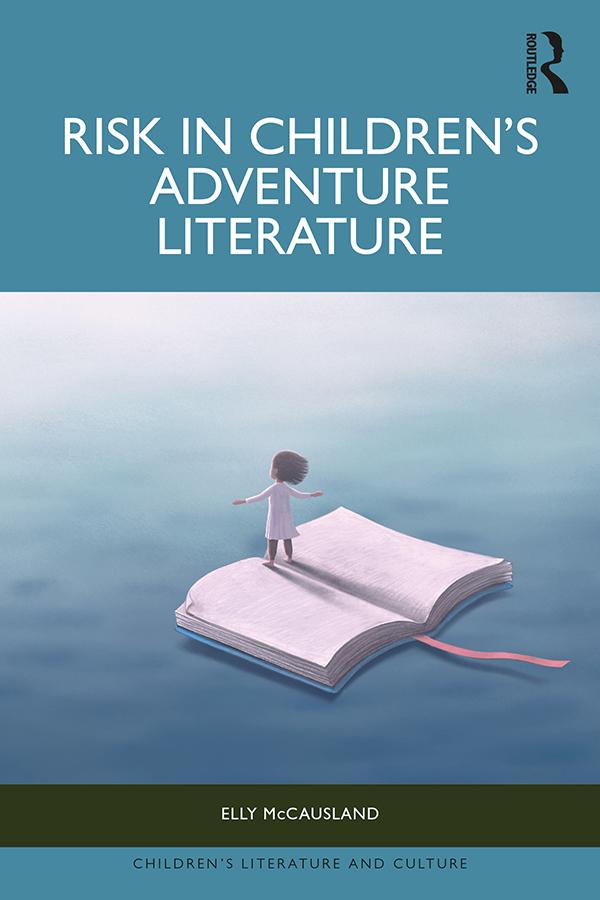
Risk in Children’s Adventure Literature examines the way in which adults discuss the reading and entertainment habits of children, and with it the assumption that adventure is a timeless and stable constant whose meaning and value is self-evident. A closer enquiry into British and American adventure texts for children over the past 150 years reveals a host of complexities occluded by the term, and the ways in which adults invoke adventure as a means of attempting to get to grips with the nebulous figure of ‘the child’. Writing about adventure also necessitates writing about risk, and this book argues that adults have historically used adventure to conceptualise the relationship between children and risk: the risks children themselves pose to society; the risks that threaten their development; and how they can be trained to manage risk in socially normative and desirable ways. Tracing this tendency back to its development and consolidation in Victorian imperial romance, and forward through various adventure texts and media to the present day, this book probes and investigates the truisms and assumptions that underlie our generalisations about children’s love for adventure, and how they have evolved since the mid-nineteenth century.
Płać wygodnie kartą, Klarną, Apple Pay lub Google Pay. Nie jesteś zadowolony? Zawsze masz 14-dniową gwarancję zwrotu pieniędzy. Więcej przeczytasz w naszych warunkach. Masz pytania? Napisz do nas na hello@memmo.org.
Memmo ułatwia naukę – gdziekolwiek jesteś na świecie. U nas znajdziesz podręczniki i sprytne narzędzia do nauki w jednym miejscu: streszczenia, quizy, podcasty i fiszki. A do tego Ted, Twój kumpel do nauki, który odpowie na wszystko, co Cię nurtuje. Ponad 50 000 studentów już tu się uczy – stworzone, byś uczył się szybciej i mniej stresował.