
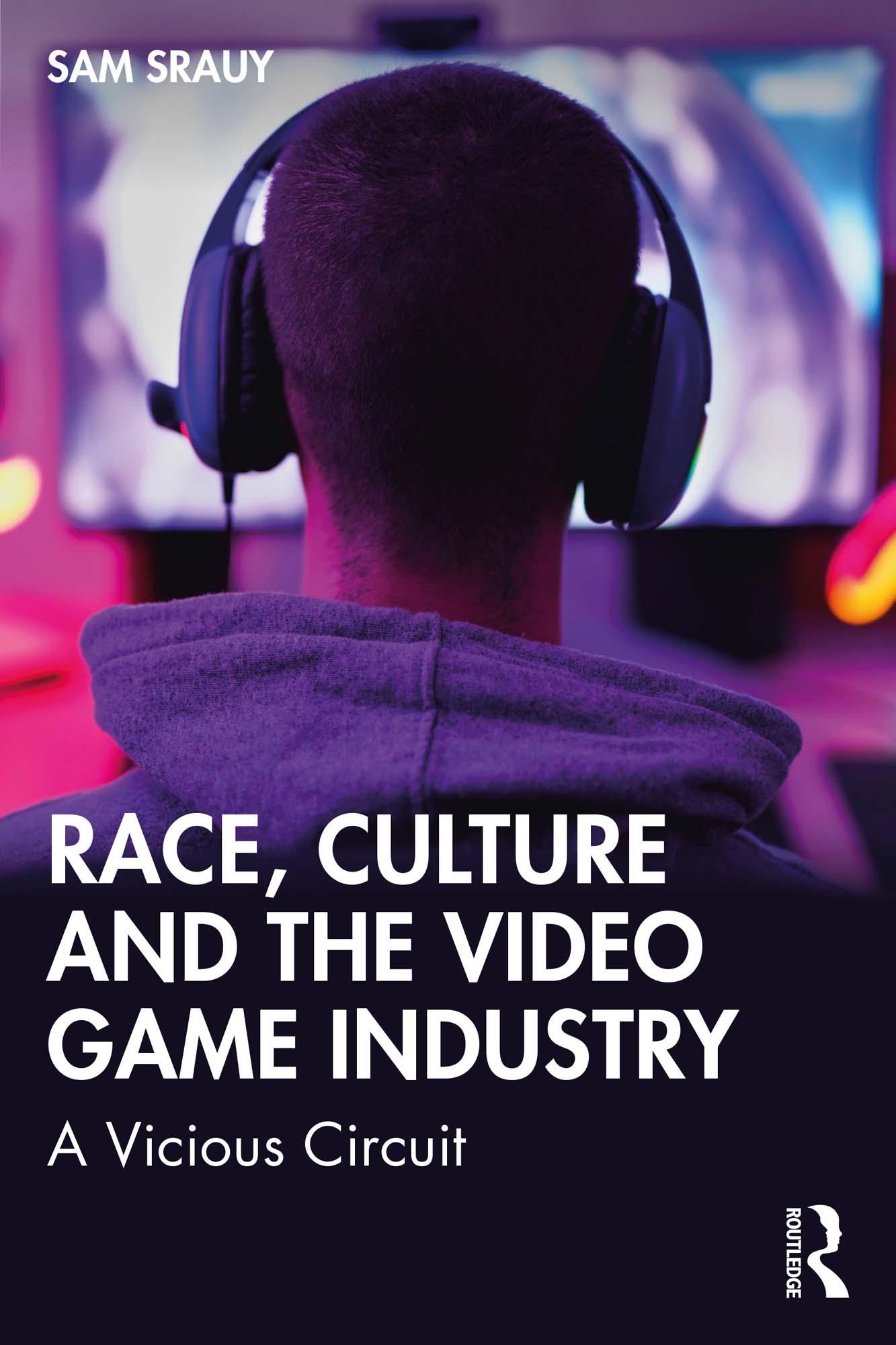
A detailed and much needed examination of how systemic racism in the US shaped the culture, market logic, and production practices of video game developers from the 1970s until the 2010s.
Offering historical analysis of the video game industries (console, PC, and indie) from a critical, political economic lens, this book specifically examines the history of how such practices created, enabled, and maintained racism through the imagined ‘gamer.’ The book explores how the cultural and economic landscape of the United States developed from the 1970s through the 2000s and explains how racist attitudes are reflected and maintained in the practices of video games production. These practices constitute a 'Vicious Circuit' that normalizes racism and the centrality of an imagined gamer identity. It also explores how the industry, from indie game developers to larger profit-driven companies, responded to changing attitudes in the 2010s, where racism and lack of diversity in games was frequently being noted. The book concludes by offering potential solutions to combat this ‘Vicious Circuit’.
A vital contribution to the study of video games that will be welcomed by students and scholars in the fields of media studies, cultural studies, game studies, critical race studies, and beyond.
Płać wygodnie kartą, Klarną, Apple Pay lub Google Pay. Nie jesteś zadowolony? Zawsze masz 14-dniową gwarancję zwrotu pieniędzy. Więcej przeczytasz w naszych warunkach. Masz pytania? Napisz do nas na hello@memmo.org.
Memmo ułatwia naukę – gdziekolwiek jesteś na świecie. U nas znajdziesz podręczniki i sprytne narzędzia do nauki w jednym miejscu: streszczenia, quizy, podcasty i fiszki. A do tego Ted, Twój kumpel do nauki, który odpowie na wszystko, co Cię nurtuje. Ponad 50 000 studentów już tu się uczy – stworzone, byś uczył się szybciej i mniej stresował.