
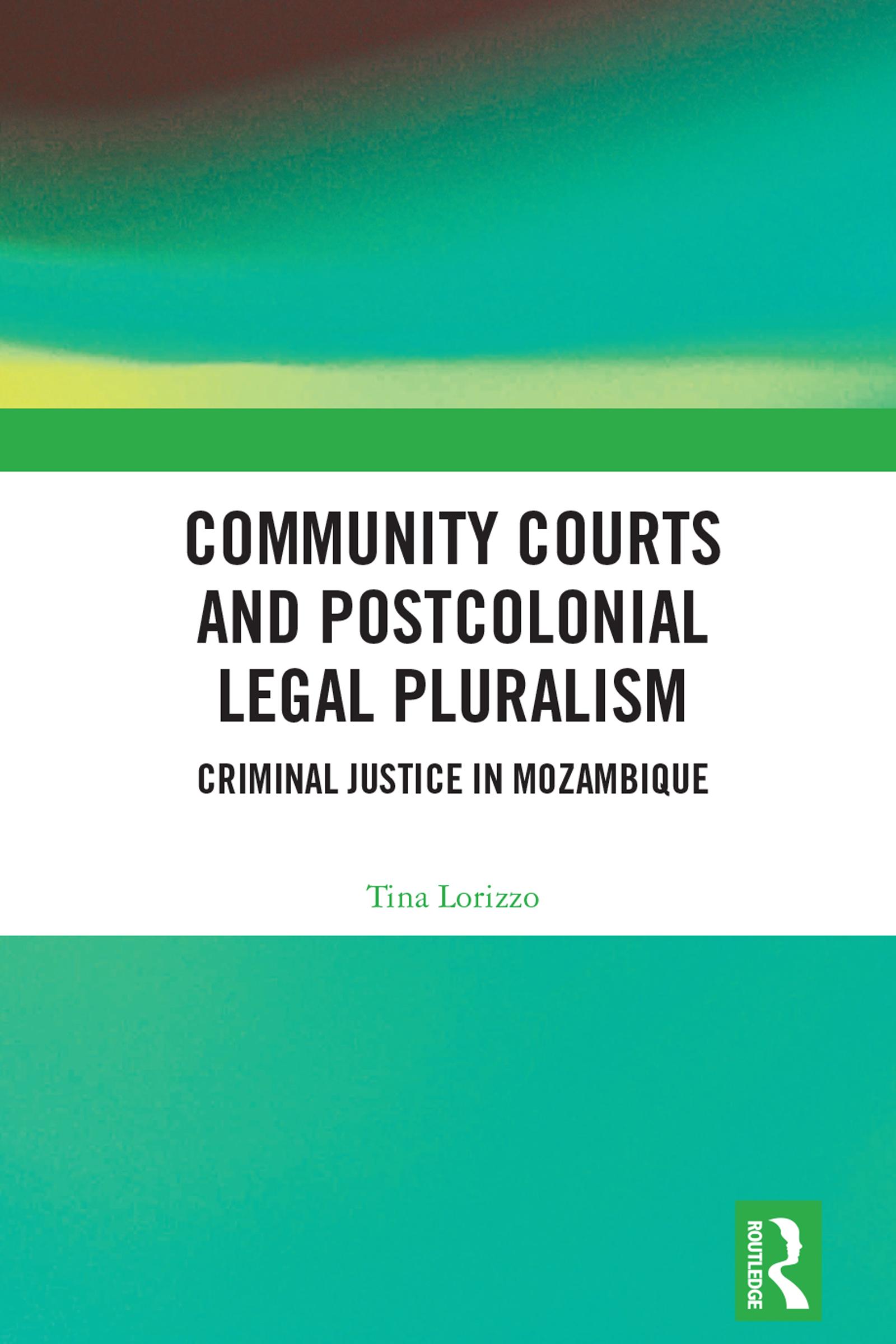
By focusing on the role of community courts in Mozambique, this book offers a postcolonial perspective on legal pluralism. In Mozambique, judicial courts are distant and expensive, and legal terminology is incomprehensible to the majority of people. As such, Mozambicans continue to rely on different normative systems to resolve their disputes – systems that have always been considered to be closer, cheaper and faster than judicial courts. This book analyses the functioning of community courts in the Mozambican capital city of Maputo. As it considers how the past shapes the relationship of the state with community courts, the book uncovers the Eurocentrism of mainstream discourses and practices of criminal justice.
In response, it develops a postcolonial account of legal pluralism. By arguing that community courts can therefore be seen as the form of an otherwise neglected local knowledge, the book discusses their overlooked importance in improving widespread access to criminal justice.
This book will be of value to scholars working in the areas of legal pluralism and postcolonialism and others with interest in criminal justice.
Płać wygodnie kartą, Klarną, Apple Pay lub Google Pay. Nie jesteś zadowolony? Zawsze masz 14-dniową gwarancję zwrotu pieniędzy. Więcej przeczytasz w naszych warunkach. Masz pytania? Napisz do nas na hello@memmo.org.
Memmo ułatwia naukę – gdziekolwiek jesteś na świecie. U nas znajdziesz podręczniki i sprytne narzędzia do nauki w jednym miejscu: streszczenia, quizy, podcasty i fiszki. A do tego Ted, Twój kumpel do nauki, który odpowie na wszystko, co Cię nurtuje. Ponad 50 000 studentów już tu się uczy – stworzone, byś uczył się szybciej i mniej stresował.