
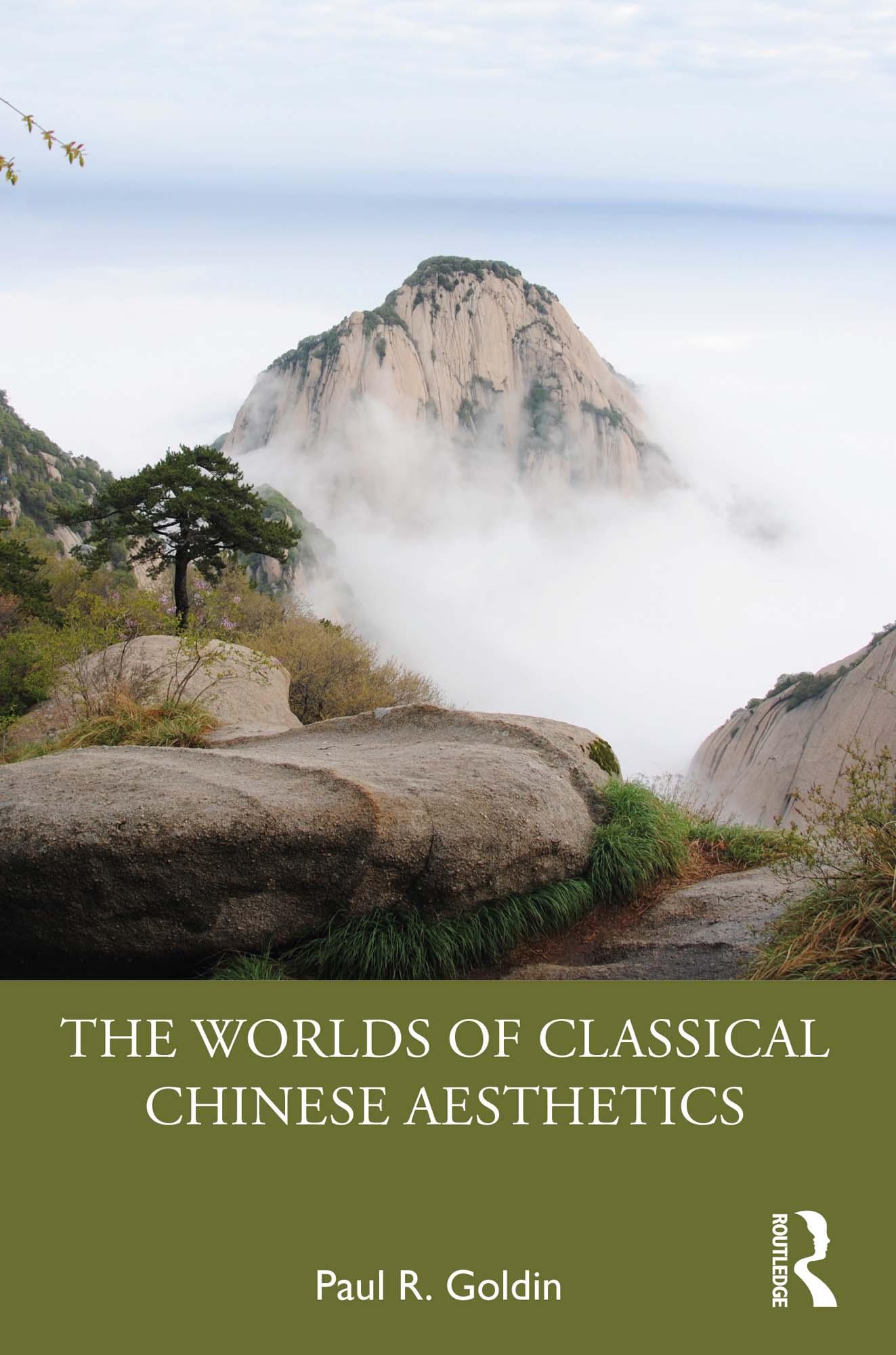
This book presents the foundations of classical Chinese aesthetic discourse - roughly from the Bronze Age to the early Middle Ages - with the following animating questions:
What is art?
Why do we produce it?
How do we judge it?
The arts that garnered the most theoretical attention during this time period were music, poetry, calligraphy, and painting, and this book considers the reasons why these four were privileged. Whereas modern artists most likely consider themselves musicians or poets or calligraphers or painters or sculptors or architects, the pre-modern authors who produced the literature that established Chinese aesthetics prided themselves on being wenren, “cultured people,” conversant with all forms of art and learning. Other comparisons with Western theories and works of art are presented at due junctures.
Key Features
- Addresses Chinese aesthetic discourse on its own terms
- Provides comparisons of key concepts and theories with examples from Western sources
- Includes more coverage of primary sources than any other English-language book on the subject
- Each chapter opens with a helpful summary, highlighting the chapter’s key themes
Płać wygodnie kartą, Klarną, Apple Pay lub Google Pay. Nie jesteś zadowolony? Zawsze masz 14-dniową gwarancję zwrotu pieniędzy. Więcej przeczytasz w naszych warunkach. Masz pytania? Napisz do nas na hello@memmo.org.
Memmo ułatwia naukę – gdziekolwiek jesteś na świecie. U nas znajdziesz podręczniki i sprytne narzędzia do nauki w jednym miejscu: streszczenia, quizy, podcasty i fiszki. A do tego Ted, Twój kumpel do nauki, który odpowie na wszystko, co Cię nurtuje. Ponad 50 000 studentów już tu się uczy – stworzone, byś uczył się szybciej i mniej stresował.