
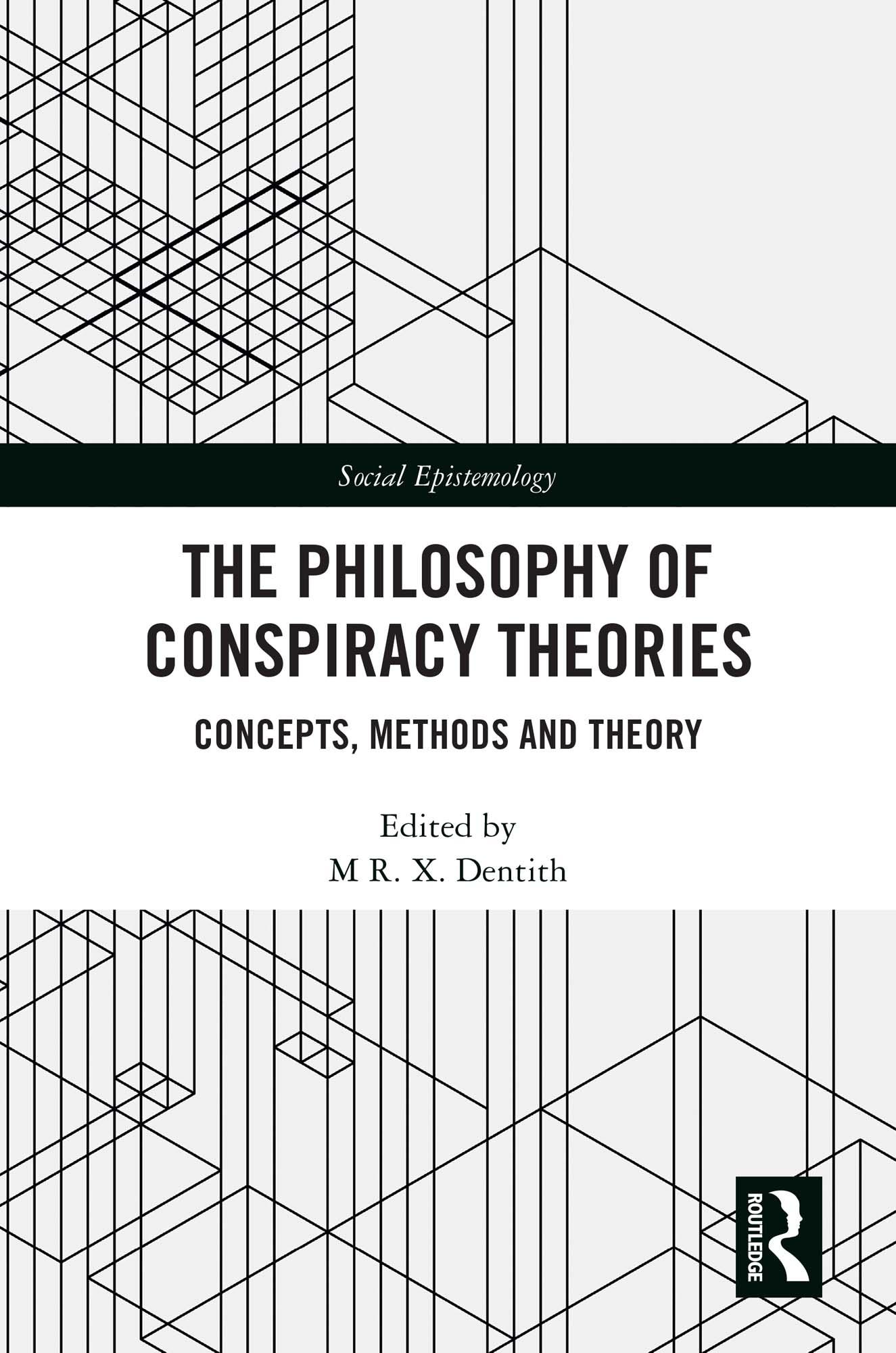
This book presents state of the art philosophical work on conspiracy theory research that brings in sharp focus on central and important insights concerning the supposed irrationality of conspiracy theory and conspiracy theory belief, while also proposing several novel solutions to long standing issues in the broader academic debate on these things called ‘conspiracy theories’.
It features a critical history of conspiracy theory theory, emphasising the role of the ‘first generation’ of philosophers in conspiracy theory research. This book also includes discussions of a range of key issues such as:
- What counts as conspiracy theory?
- Who counts as a conspiracy theorist?
- How are these terms variously understood by academics and the wider public, and
- Are conspiracy theories automatically suspect, and is it ever reasonable to be a conspiracy theorist?
The book then builds upon that work by looking at how people’s political views affect both the conspiracy theories they believe and their beliefs about conspiracy theories; how we might defend conspiracy theorising without endorsing mad, bad or dangerous conspiracy theories; and contains several proposals for unifying conspiracy theory research under one theoretical framework: particularism.
This volume will be a key resource for philosophers and social scientists interested in recent work on the philosophy of conspiracy theory theory and its implications for conspiracy theory research. It will also appeal to members of the public, who want to know what, if anything, is wrong with these things called “conspiracy theories”. It was originally published as a special issue of Social Epistemology.
Płać wygodnie kartą, Klarną, Apple Pay lub Google Pay. Nie jesteś zadowolony? Zawsze masz 14-dniową gwarancję zwrotu pieniędzy. Więcej przeczytasz w naszych warunkach. Masz pytania? Napisz do nas na hello@memmo.org.
Memmo ułatwia naukę – gdziekolwiek jesteś na świecie. U nas znajdziesz podręczniki i sprytne narzędzia do nauki w jednym miejscu: streszczenia, quizy, podcasty i fiszki. A do tego Ted, Twój kumpel do nauki, który odpowie na wszystko, co Cię nurtuje. Ponad 50 000 studentów już tu się uczy – stworzone, byś uczył się szybciej i mniej stresował.