
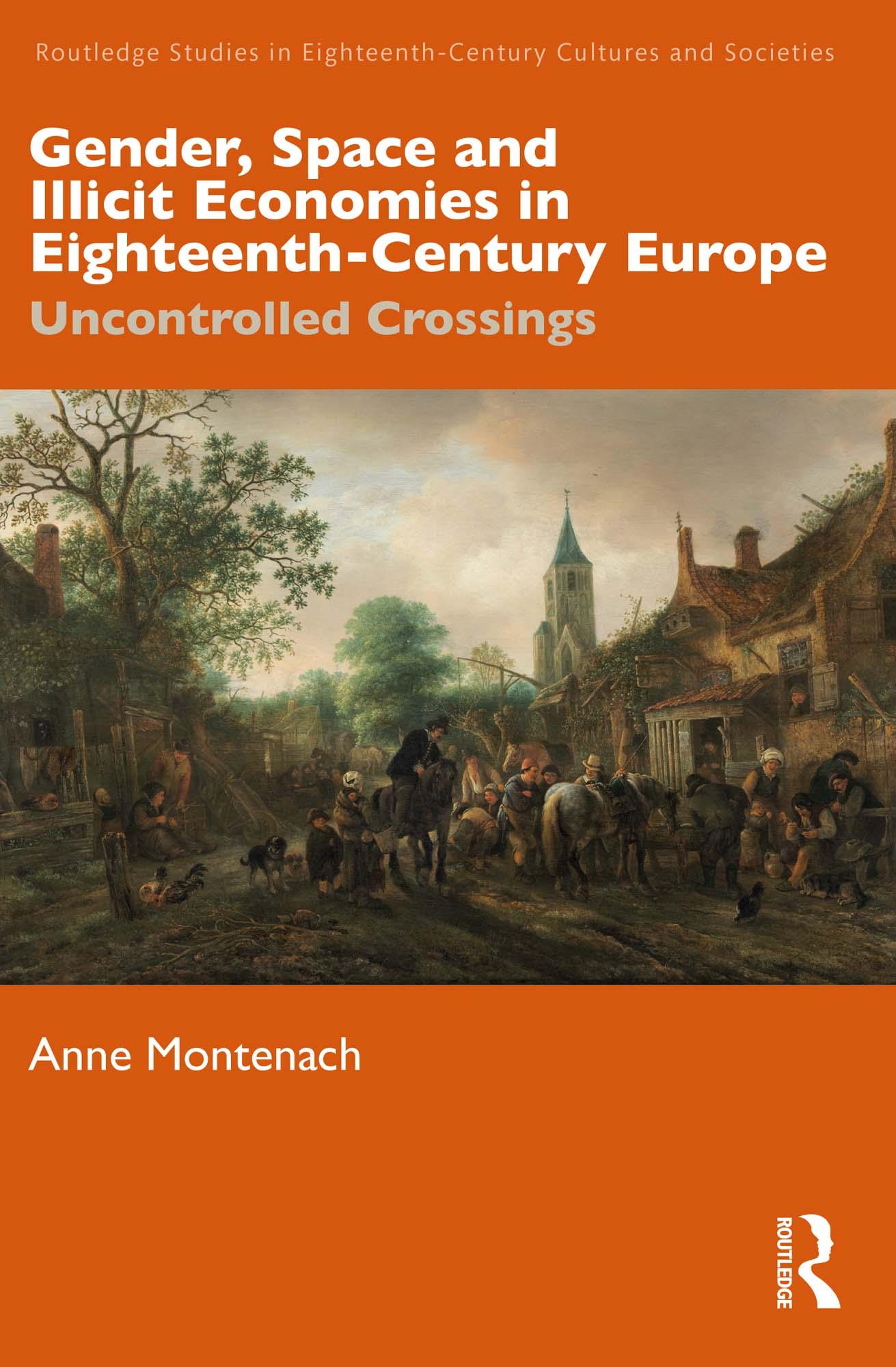
This book seeks to contribute a multi-dimensional, multi-layered and gendered approach to the illicit economy in the historiography of early modern Europe.
Using original source material from several countries, this volume concentrates on a border and transnational area—approximately the Lyon-Geneva-Turin triangle—located at the heart of European trade. It focuses on three products—salt, cotton and silk—all of which fuelled the black market between the last decades of the seventeenth century and the French Revolution. This volume offers an original contribution to wider studies of smuggling, illicit markets and women’s economic roles by taking into account the economic life of remote mountain communities and industrious cities.
Showing that irregular practices were a structural characteristic of early modern economies, it provides insight into the opportunities offered to women in a highly flexible economy where licit and illicit activities were intermingled in a very complex way.
This research monograph is aimed at a historical audience and constitutes a useful resource for students and scholars interested in gender history, social and economic history, urban history and French studies.
Płać wygodnie kartą, Klarną, Apple Pay lub Google Pay. Nie jesteś zadowolony? Zawsze masz 14-dniową gwarancję zwrotu pieniędzy. Więcej przeczytasz w naszych warunkach. Masz pytania? Napisz do nas na hello@memmo.org.
Memmo ułatwia naukę – gdziekolwiek jesteś na świecie. U nas znajdziesz podręczniki i sprytne narzędzia do nauki w jednym miejscu: streszczenia, quizy, podcasty i fiszki. A do tego Ted, Twój kumpel do nauki, który odpowie na wszystko, co Cię nurtuje. Ponad 50 000 studentów już tu się uczy – stworzone, byś uczył się szybciej i mniej stresował.