
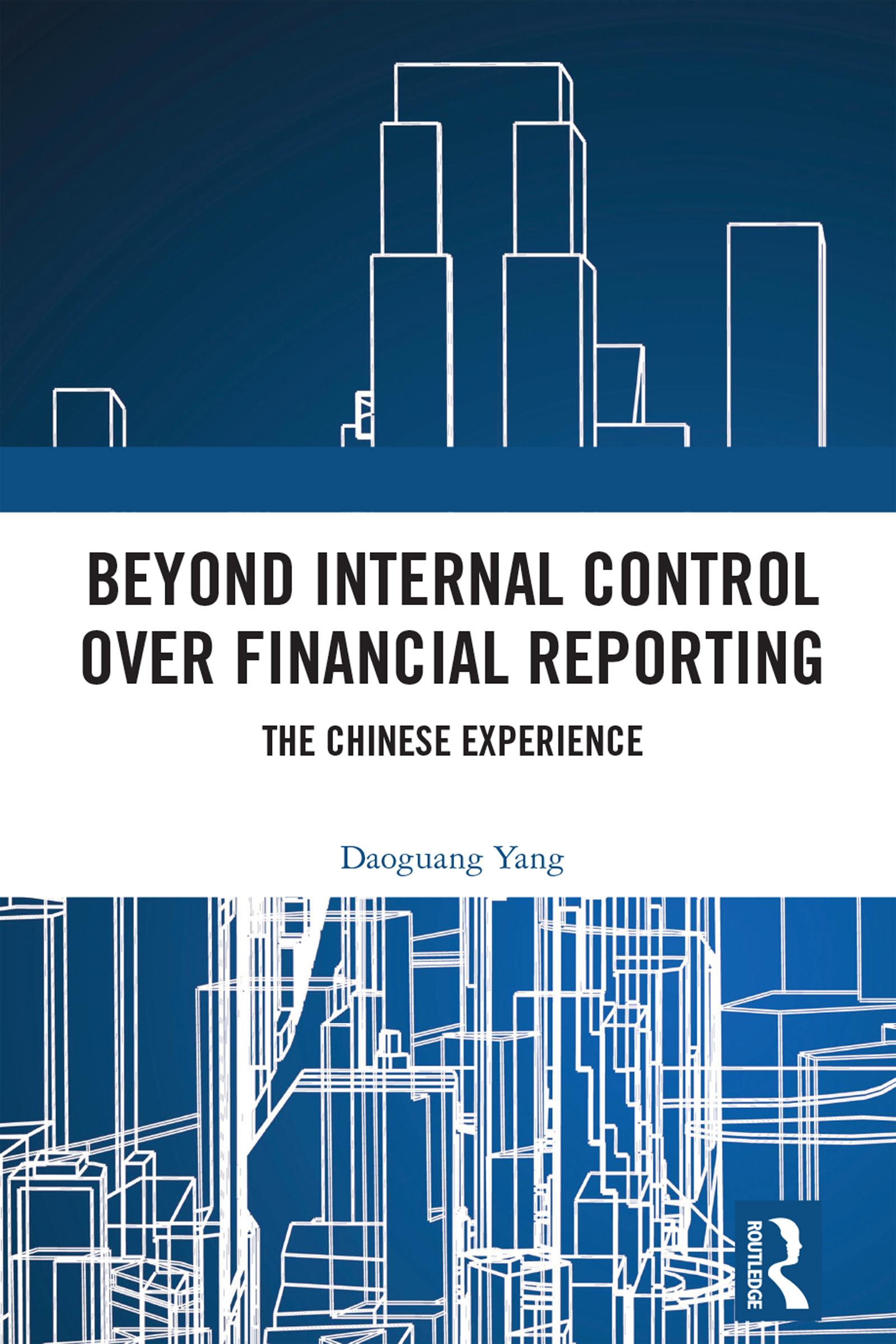
By examining two different modes of internal control and the fundamentals of risk management, this book analyses the role of internal control in financing, investment, profit distribution, and corporate strategies through China's experience. In doing so, it confirms the effectiveness and superiority of internal control over operation and management.
The book compares the various internal control methods used in China and the USA, namely, operation and management-oriented versus financial reporting-oriented approaches. It also discusses the differences in corporate risk attitudes and behaviours under the two approaches. The author then proposes the hyper-correction hypothesis and the trimming hypothesis. Empirical findings regarding corporate cash policy, mergers and acquisitions, tax avoidance, and diversification strategy reveal that internal control in China does not result in undue risk aversion but instead manages enterprise risk within a reasonable capacity. These results support the trimming hypothesis and demonstrate that internal control is a useful risk management tool.
The title will appeal to students, academics, and accounting professionals interested in internal control (risk management), accounting, auditing and corporate finance, regulation and governance.
Płać wygodnie kartą, Klarną, Apple Pay lub Google Pay. Nie jesteś zadowolony? Zawsze masz 14-dniową gwarancję zwrotu pieniędzy. Więcej przeczytasz w naszych warunkach. Masz pytania? Napisz do nas na hello@memmo.org.
Memmo ułatwia naukę – gdziekolwiek jesteś na świecie. U nas znajdziesz podręczniki i sprytne narzędzia do nauki w jednym miejscu: streszczenia, quizy, podcasty i fiszki. A do tego Ted, Twój kumpel do nauki, który odpowie na wszystko, co Cię nurtuje. Ponad 50 000 studentów już tu się uczy – stworzone, byś uczył się szybciej i mniej stresował.