
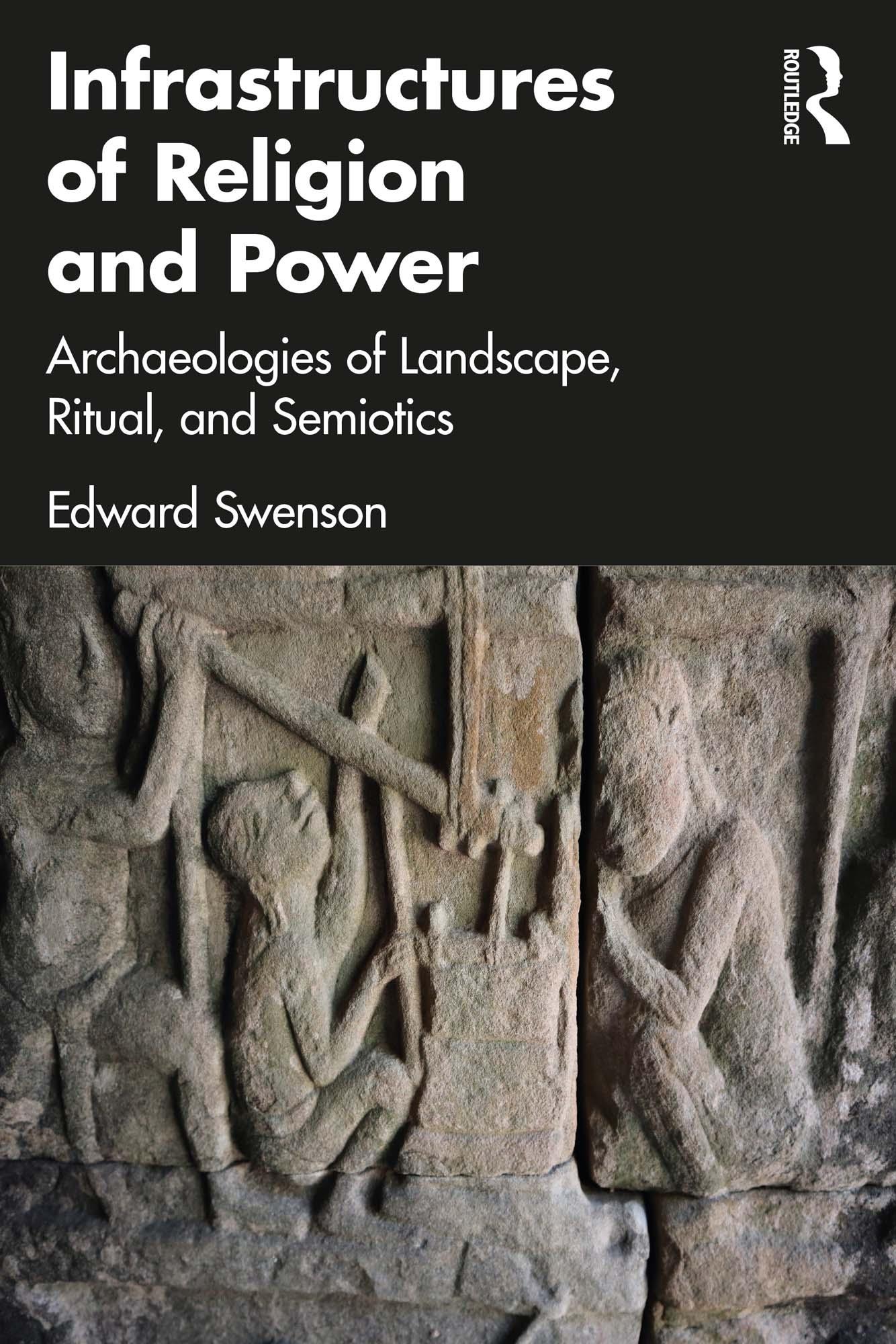
This book explores the central role of religion in place-making and infrastructural projects in ancient polities.
It presents a trilectic approach to archaeological study of religious landscapes that combines Indigenous philosophies with the spatial and semiotic thinking of Lefebvre, Peirce, and proponents of assemblage theories. Case studies from ancient Angkor and the Andes reveal how rituals of place-making activated processes of territorialization and semiosis fundamental to the experience of political worlds that shaped power relations in past societies. The perspectives developed in the book permit a reconstruction of how landscapes were variably conceived, perceived, and lived in the spirit of Henri Lefebvre, and how these registers may have aligned or clashed. In the end, the examination of built environments, infrastructures, and rituals staged within specialized buildings demonstrates how archaeologists can better infer past ontologies, cosmologies, ideologies of time and place, and historically specific political struggles.
The study will appeal to students and researchers interested in ritual, infrastructures, landscape, archaeological theory, political institutions, semiotics, human geography, and the civilizations of the ancient Andes and Angkor.
Płać wygodnie kartą, Klarną, Apple Pay lub Google Pay. Nie jesteś zadowolony? Zawsze masz 14-dniową gwarancję zwrotu pieniędzy. Więcej przeczytasz w naszych warunkach. Masz pytania? Napisz do nas na hello@memmo.org.
Memmo ułatwia naukę – gdziekolwiek jesteś na świecie. U nas znajdziesz podręczniki i sprytne narzędzia do nauki w jednym miejscu: streszczenia, quizy, podcasty i fiszki. A do tego Ted, Twój kumpel do nauki, który odpowie na wszystko, co Cię nurtuje. Ponad 50 000 studentów już tu się uczy – stworzone, byś uczył się szybciej i mniej stresował.