
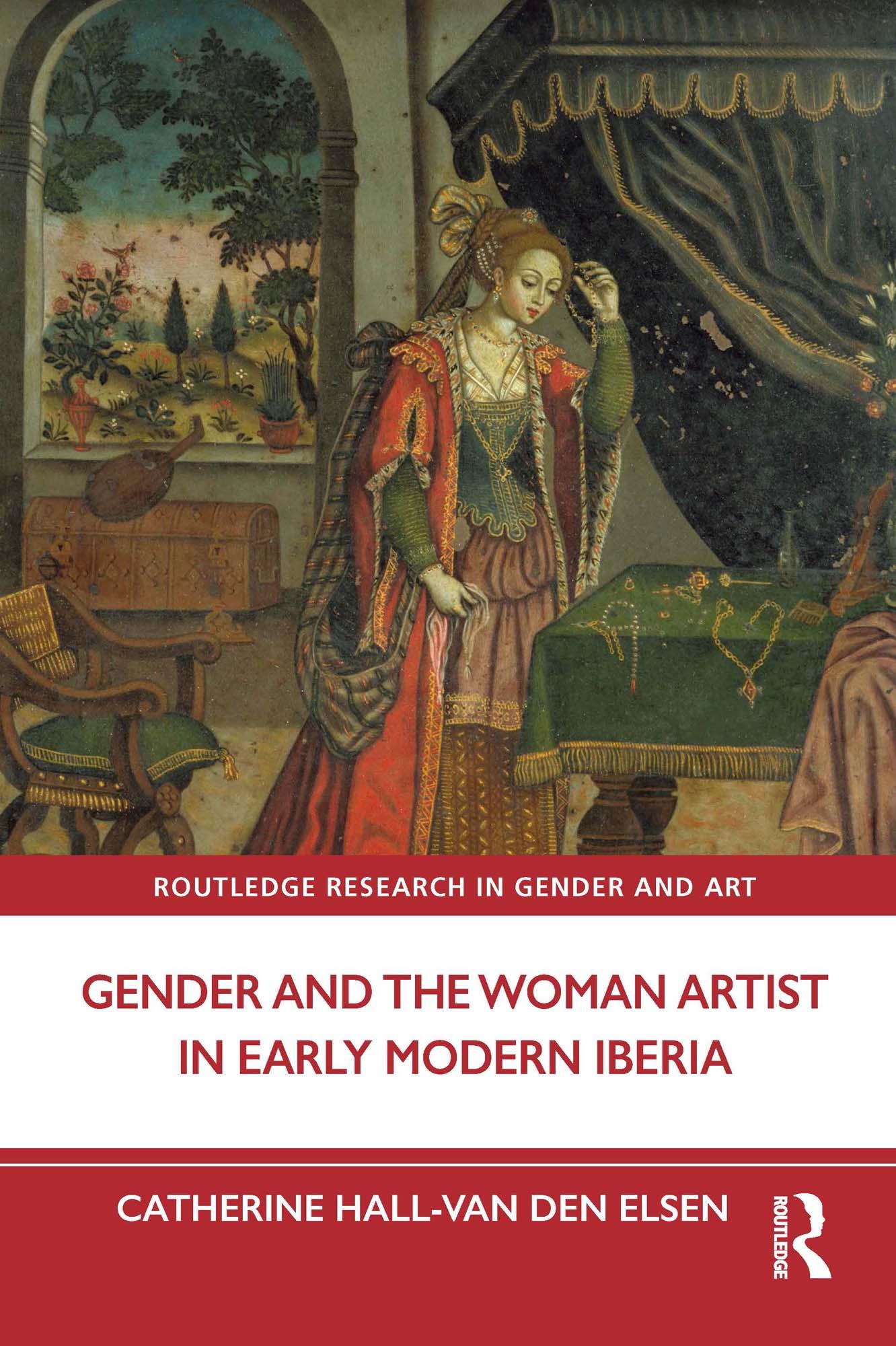
This monograph explores the social constructs surrounding artistic production in early modern Iberia through the lenses of gender and class by examining the rarely considered contribution of creative women in Spain and Portugal between 1550 and 1700.
Using the life-stage framework popular in texts of the period and drawing on a broad spectrum of materials including conduct guidebooks, treatises and conventual rules, this book examines the constraints imposed by gender-related social structures through microhistories of nuns, married, and unmarried women. The text spans class boundaries in its analysis of the work of painters, engravers, and sculptors, many of whom have until now eluded scholarly attention in English-language publications. An extensive bibliography promotes new avenues of inquiry into women’s contributions to the visual arts of the period.
This book will be of interest to scholars working in art history, gender studies, women’s history, early modern Iberian studies, and Renaissance studies.
Płać wygodnie kartą, Klarną, Apple Pay lub Google Pay. Nie jesteś zadowolony? Zawsze masz 14-dniową gwarancję zwrotu pieniędzy. Więcej przeczytasz w naszych warunkach. Masz pytania? Napisz do nas na hello@memmo.org.
Memmo ułatwia naukę – gdziekolwiek jesteś na świecie. U nas znajdziesz podręczniki i sprytne narzędzia do nauki w jednym miejscu: streszczenia, quizy, podcasty i fiszki. A do tego Ted, Twój kumpel do nauki, który odpowie na wszystko, co Cię nurtuje. Ponad 50 000 studentów już tu się uczy – stworzone, byś uczył się szybciej i mniej stresował.