
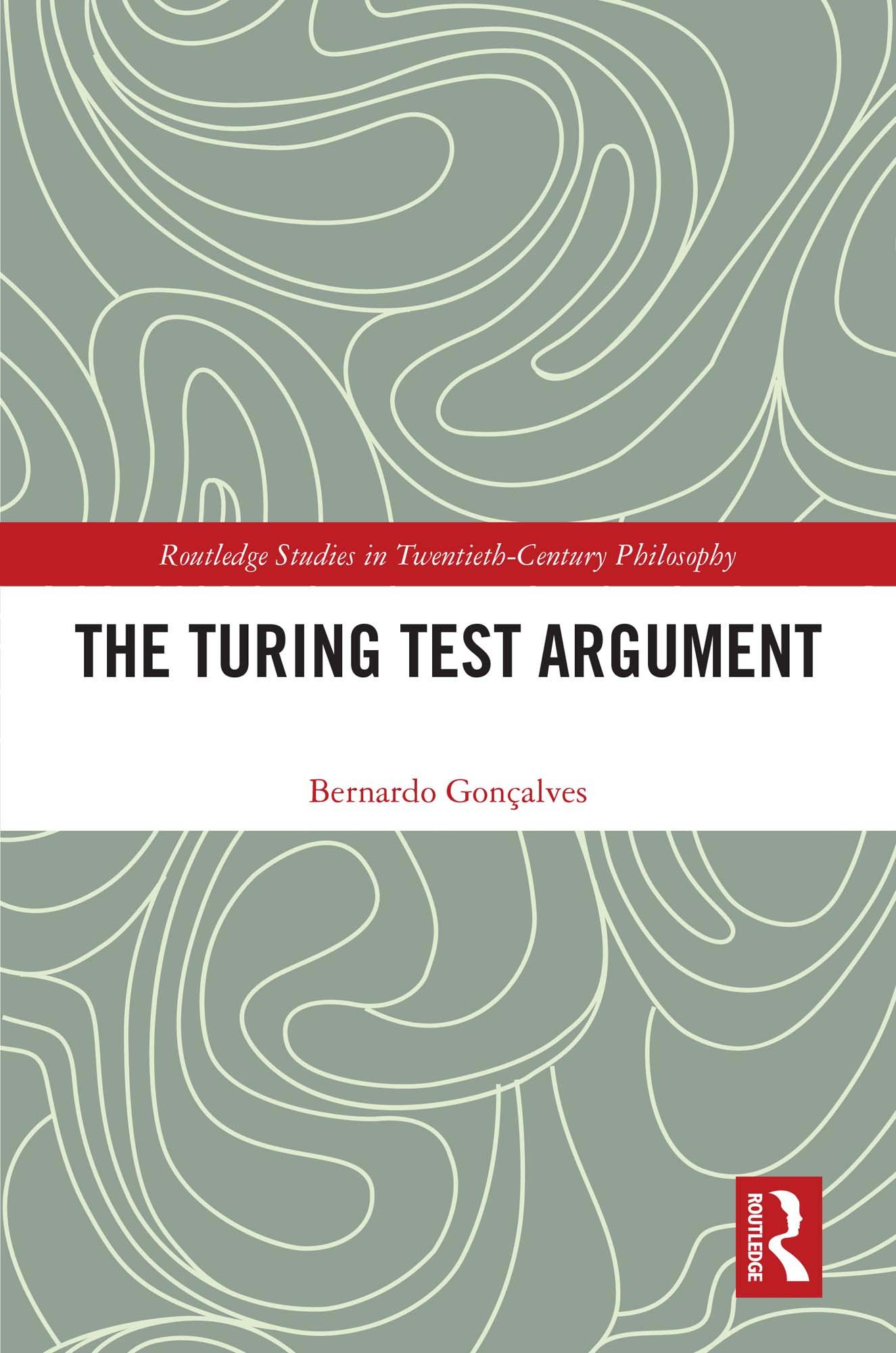
This book departs from existing accounts of Alan Turing's imitation game and test by placing Turing's proposal in its historical, social, and cultural context.
It reconstructs a controversy in England, 1946–1952, over the intellectual capabilities of digital computers, which led Turing to propose his test. It argues that the Turing test is best understood not as a practical experiment, but as a thought experiment in the modern scientific tradition of Galileo Galilei. The logic of the Turing test argument is reconstructed from the rhetoric of Turing’s irony and wit. Turing believed that learning machines should be understood as a new kind of species, and their thinking as different from human thinking and yet capable of imitating it. He thought that the possibilities of the machines he envisioned were not utopian dreams. And yet he hoped that they would rival and surpass chauvinists and intellectuals who sacrifice independent thinking to maintain their power. These would be transformed into ordinary people, as work once considered 'intellectual' would be transformed into non-intellectual, 'mechanical' work.
The Turing Test Argument will appeal to scholars and students in the sciences and humanities and all those interested in Turing's vision of the future of intelligent machines in society and nature.
Płać wygodnie kartą, Klarną, Apple Pay lub Google Pay. Nie jesteś zadowolony? Zawsze masz 14-dniową gwarancję zwrotu pieniędzy. Więcej przeczytasz w naszych warunkach. Masz pytania? Napisz do nas na hello@memmo.org.
Memmo ułatwia naukę – gdziekolwiek jesteś na świecie. U nas znajdziesz podręczniki i sprytne narzędzia do nauki w jednym miejscu: streszczenia, quizy, podcasty i fiszki. A do tego Ted, Twój kumpel do nauki, który odpowie na wszystko, co Cię nurtuje. Ponad 50 000 studentów już tu się uczy – stworzone, byś uczył się szybciej i mniej stresował.