
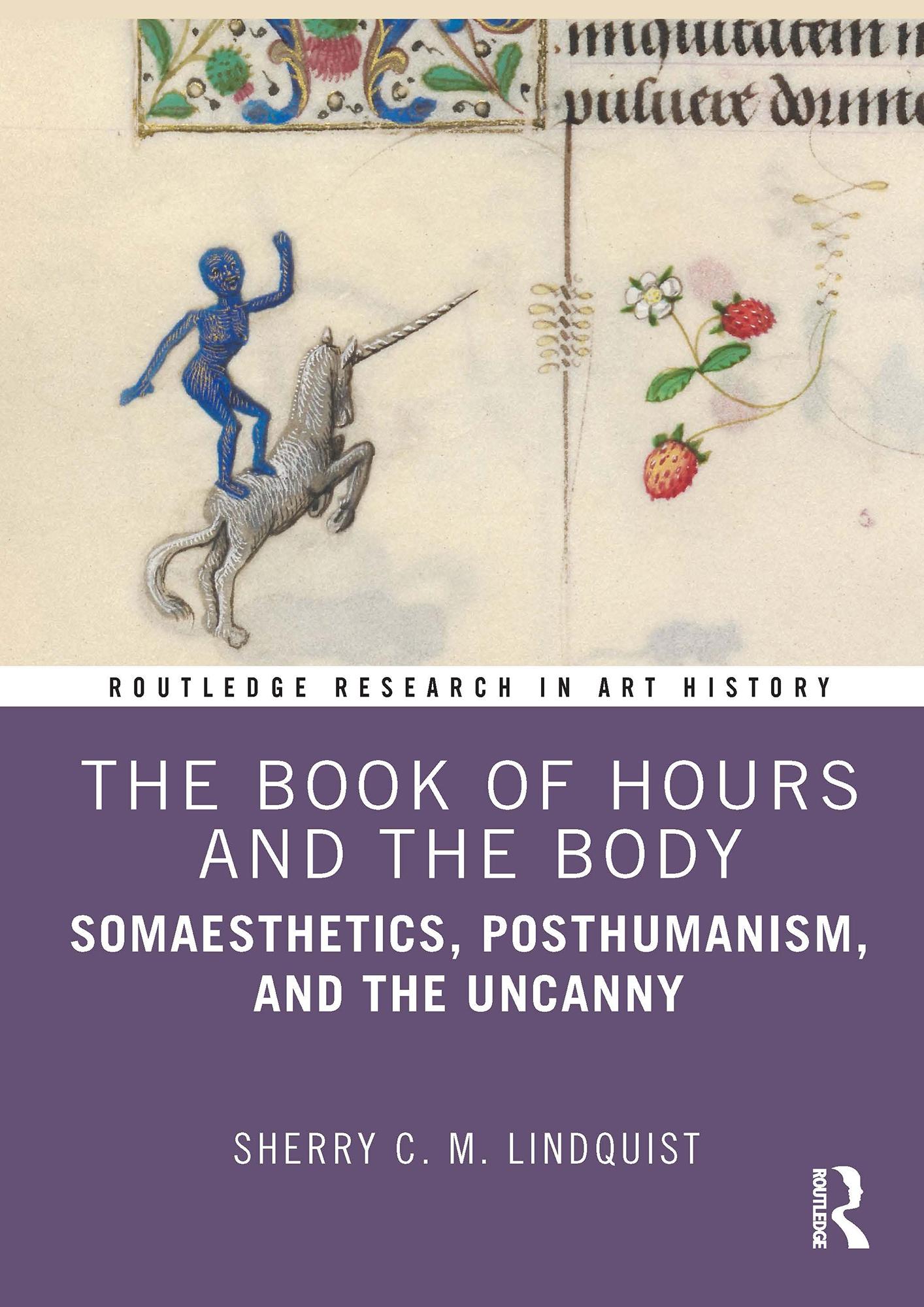
This book explores our corporeal connections to the past by considering what three theoretical approaches - somaesthetics, posthumanism, and the uncanny - may reveal about both premodern and postmodern terms of embodiment.
It takes as its point of departure a selection of fifteenth-century northern European Books of Hours - evocative objects designed at once to inscribe social status, to strengthen religious commitment, to entertain, to stimulate emotions, and to encourage discomfiting self-scrutiny. Studying their kaleidoscopically strange, moving, humorous, disturbing, and imaginative pages not only enables a window into relationships among bodies, images, and things in the past but also in our own internet era, where surprisingly popular memes drawn from such manuscripts constitute a part of our own visual culture.
In negotiating theoretical, post-theoretical, and historical concerns, this book aims to contribute to an emerging and much-needed intersectional social history of art. It will be of interest to scholars working in art history, medieval studies, Renaissance/early modern studies, gender studies, the history of the book, posthumanism, aesthetics, and the body.
Płać wygodnie kartą, Klarną, Apple Pay lub Google Pay. Nie jesteś zadowolony? Zawsze masz 14-dniową gwarancję zwrotu pieniędzy. Więcej przeczytasz w naszych warunkach. Masz pytania? Napisz do nas na hello@memmo.org.
Memmo ułatwia naukę – gdziekolwiek jesteś na świecie. U nas znajdziesz podręczniki i sprytne narzędzia do nauki w jednym miejscu: streszczenia, quizy, podcasty i fiszki. A do tego Ted, Twój kumpel do nauki, który odpowie na wszystko, co Cię nurtuje. Ponad 50 000 studentów już tu się uczy – stworzone, byś uczył się szybciej i mniej stresował.