
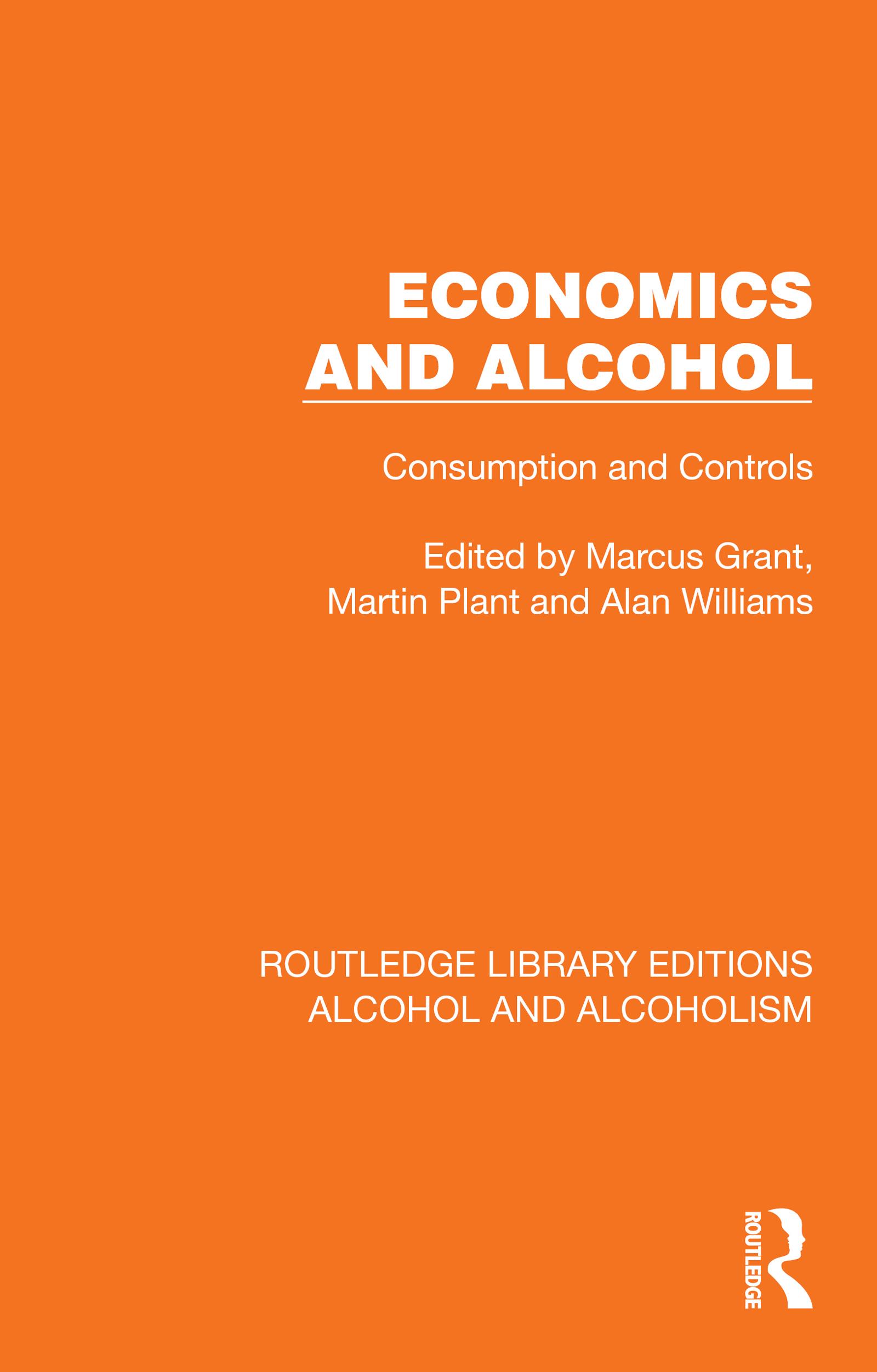
During the 1950s, 1960s and 1970s, general levels of alcohol consumption had risen considerably in all parts of the world. In association with this, there was a proliferation of alcohol-related problems such as liver disease, drunkenness offences, marital disharmony and employment difficulties. Many factors influence the probability of alcohol addiction and the habits of drinking; they include age, sex, race, occupation and income.
Economic aspects of the use and misuse of alcohol had been attracting increasing attention during the early 1980s. Politicians and scholars alike had drawn attention to the benefits of a vigorous alcohol industry on the one hand, and on the other, the costs of providing medical, social and educational services for those suffering from alcohol-related problems. Originally published in 1983, the real nature of the relationship between economics and alcohol is explored in detail for the first time in this book. It argues for increased participation by economists in the processes of social policy decision-making and considers the key issues of cost-benefit analyses, control policies, taxation and programme efficiency. No easy solutions are provided, but a host of unjustified assumptions about this subject are clarified. This book paved the way for substantial future collaboration between economists and those involved in alcohol studies.
Płać wygodnie kartą, Klarną, Apple Pay lub Google Pay. Nie jesteś zadowolony? Zawsze masz 14-dniową gwarancję zwrotu pieniędzy. Więcej przeczytasz w naszych warunkach. Masz pytania? Napisz do nas na hello@memmo.org.
Memmo ułatwia naukę – gdziekolwiek jesteś na świecie. U nas znajdziesz podręczniki i sprytne narzędzia do nauki w jednym miejscu: streszczenia, quizy, podcasty i fiszki. A do tego Ted, Twój kumpel do nauki, który odpowie na wszystko, co Cię nurtuje. Ponad 50 000 studentów już tu się uczy – stworzone, byś uczył się szybciej i mniej stresował.