
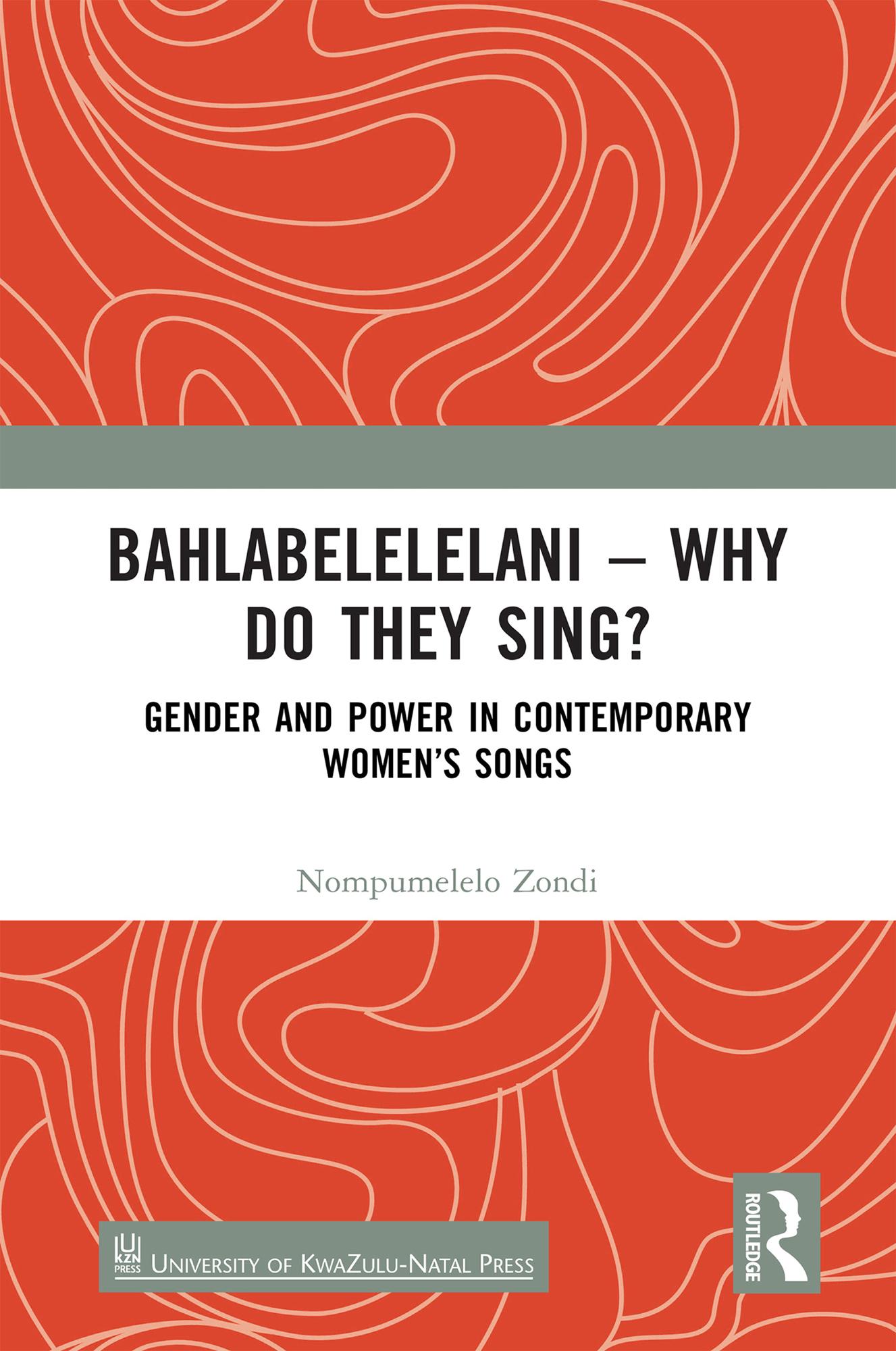
Indigenous societies, steeped in patriarchy, have various channels through which they deal with abusive characteristics of relations in some of these communities. One such route is through songs, which sanction women to voice that which, bound by societal expectations, they would not commonly be able to say.
This book focuses on the nature of women’s contemporary songs in the rural community of Zwelibomvu, near Pinetown in KwaZulu-Natal. It aims to answer the question ‘Bahlabelelelani – Why do they sing?’, drawing on several discourses of gender and power to examine the content and purposes of the songs. Restricted by custom, women resort to allusive languages, such as found in ukushoza, a song genre that includes poetic elements and solo dance songs. The songs, when read in conjunction with the interviews and focus group discussions, present a complex picture of women’s lives in contemporary rural KwaZulu-Natal, and they offer their commentary on what it means to be a woman in this society.
Płać wygodnie kartą, Klarną, Apple Pay lub Google Pay. Nie jesteś zadowolony? Zawsze masz 14-dniową gwarancję zwrotu pieniędzy. Więcej przeczytasz w naszych warunkach. Masz pytania? Napisz do nas na hello@memmo.org.
Memmo ułatwia naukę – gdziekolwiek jesteś na świecie. U nas znajdziesz podręczniki i sprytne narzędzia do nauki w jednym miejscu: streszczenia, quizy, podcasty i fiszki. A do tego Ted, Twój kumpel do nauki, który odpowie na wszystko, co Cię nurtuje. Ponad 50 000 studentów już tu się uczy – stworzone, byś uczył się szybciej i mniej stresował.