
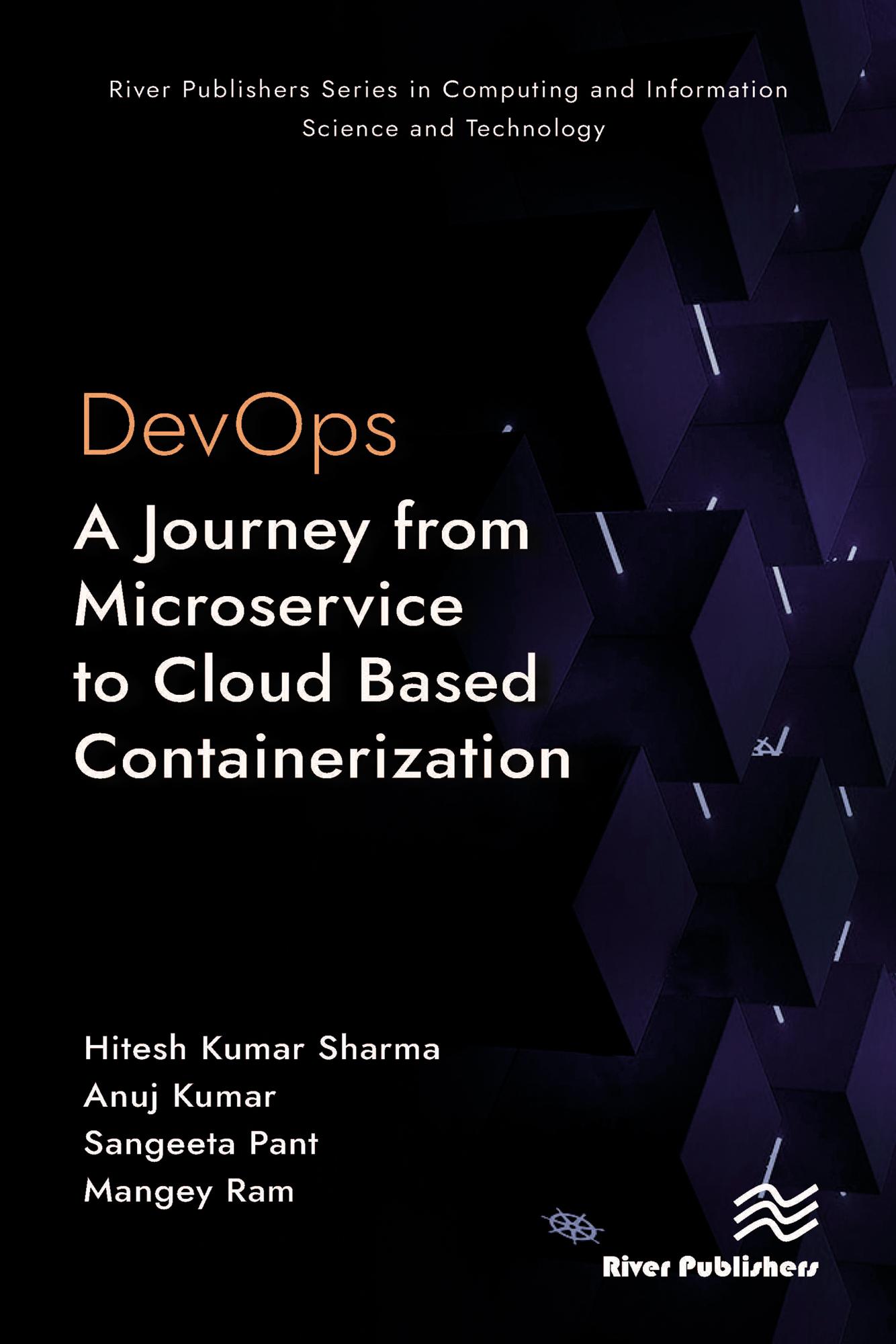
Transitioning to DevOps requires a change in culture and mindset. At its simplest, DevOps is about removing the barriers between two traditionally siloed teams, development, and operations. In some organizations, there may not even be separate development and operations teams; engineers may do both. With DevOps, the two teams work together to optimize both the productivity of developers and the reliability of operations. They strive to communicate frequently, increase efficiencies, and improve the quality of services they provide to customers. They take full ownership for their services, often beyond where their stated roles or titles have traditionally been scoped by thinking about the end customer’s needs and how they can contribute to meeting those needs. Quality assurance and security teams may also become tightly integrated within these teams. Organizations using a DevOps model, regardless of their organizational structure, have teams that view the entire development and infrastructure lifecycle as part of their responsibilities.
In this book, we introduce the DevOps culture, and the tools and techniques under this technical cultural umbrella. We explain microservice, containers, Docker Container, Kubernetes, etc., and the significance of these in adopting the DevOps culture for successful software development.
Płać wygodnie kartą, Klarną, Apple Pay lub Google Pay. Nie jesteś zadowolony? Zawsze masz 14-dniową gwarancję zwrotu pieniędzy. Więcej przeczytasz w naszych warunkach. Masz pytania? Napisz do nas na hello@memmo.org.
Memmo ułatwia naukę – gdziekolwiek jesteś na świecie. U nas znajdziesz podręczniki i sprytne narzędzia do nauki w jednym miejscu: streszczenia, quizy, podcasty i fiszki. A do tego Ted, Twój kumpel do nauki, który odpowie na wszystko, co Cię nurtuje. Ponad 50 000 studentów już tu się uczy – stworzone, byś uczył się szybciej i mniej stresował.