
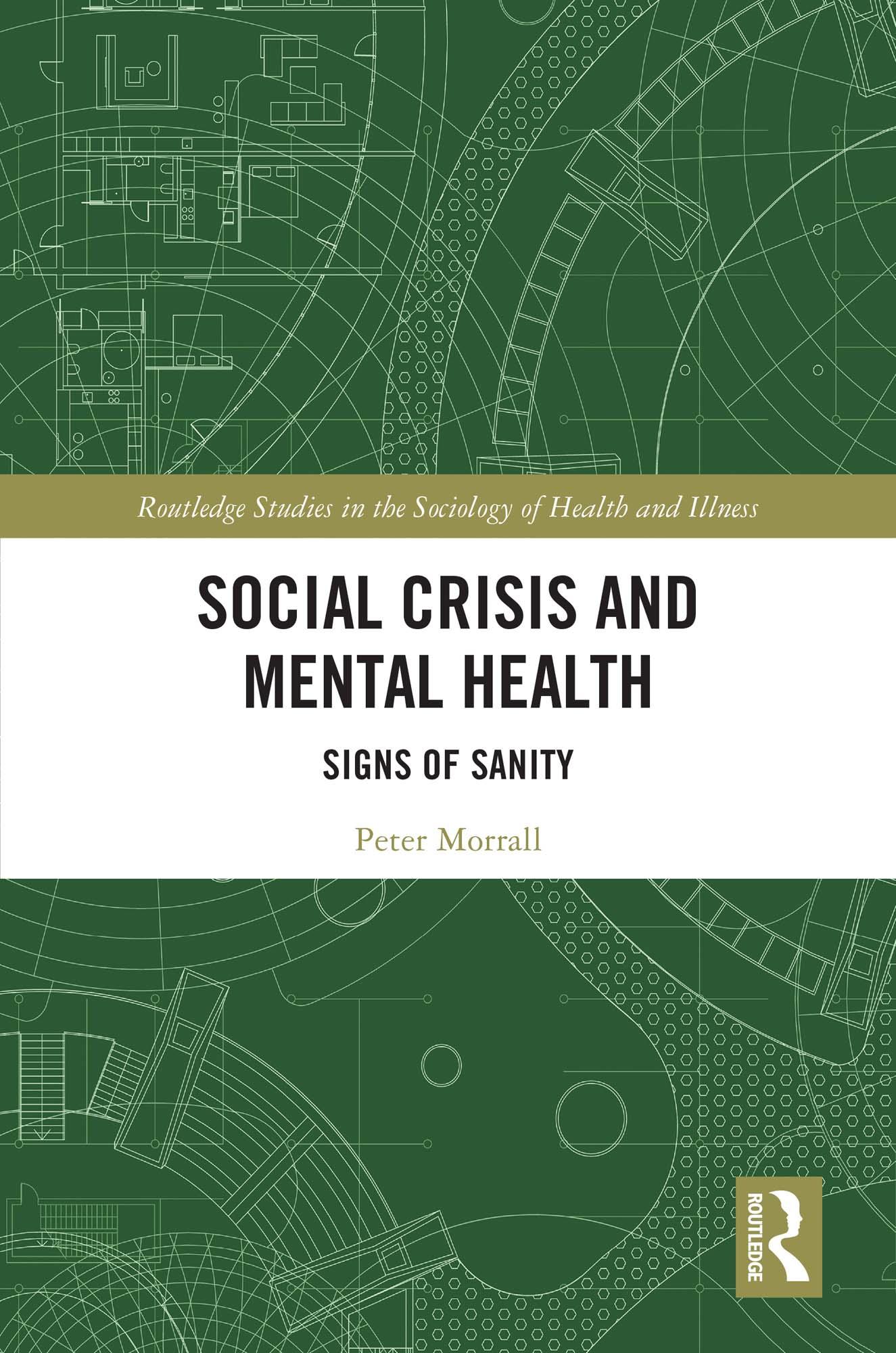
This book focuses on the paradoxical effect of social crises on mental health. When crises occur, there's an upsurge of mental suffering due to an intensification of such social insanities as violence, inequality, and insecurity. Paradoxically, there are positive consequences due to acts of kindness, cooperation, and the ability to cope and hope.
Two interconnected categories of social crises are covered in the book. These are as follows: contagions (for example, the COVID-19 pandemic, numerous outbreaks of plague and smallpox since medieval times, and the 1918 influenza pandemic); conflicts (including the Russian invasion of Ukraine, and aspects of world war such as the Holocaust, the use of nuclear bombs in the Second World War, and the climate emergency). What is also explored in the book is whether there is an amplification of everyday difficulties whereby having a ‘mental health problem’ has become normalised. The idea of ‘mental-healthism’ is introduced to explain the cultural shift towards this apparent normalisation of ordinary psychological suffering.
The book will be of interest to students, practitioners, and researchers from sociology, psychology, nursing, social work, and psychiatry, among others.
Płać wygodnie kartą, Klarną, Apple Pay lub Google Pay. Nie jesteś zadowolony? Zawsze masz 14-dniową gwarancję zwrotu pieniędzy. Więcej przeczytasz w naszych warunkach. Masz pytania? Napisz do nas na hello@memmo.org.
Memmo ułatwia naukę – gdziekolwiek jesteś na świecie. U nas znajdziesz podręczniki i sprytne narzędzia do nauki w jednym miejscu: streszczenia, quizy, podcasty i fiszki. A do tego Ted, Twój kumpel do nauki, który odpowie na wszystko, co Cię nurtuje. Ponad 50 000 studentów już tu się uczy – stworzone, byś uczył się szybciej i mniej stresował.