
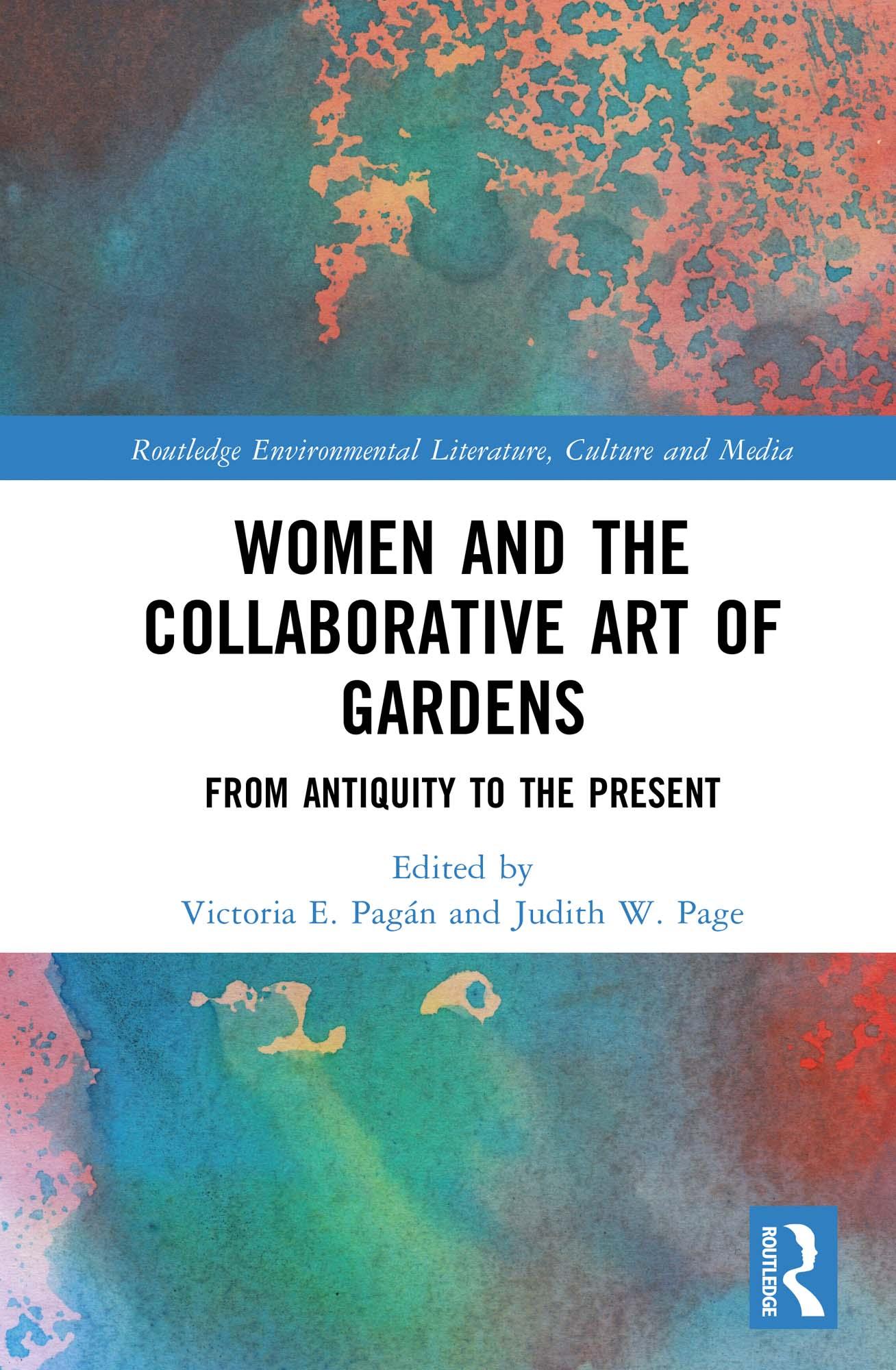
Women and the Collaborative Art of Gardens explores the garden and its agency in the history of the built and natural environments, as evidenced in landscape architecture, literature, art, archaeology, history, photography, and film.
Throughout the book, each chapter centers the act of collaboration, from garden clubs of the early twentieth century as powerful models of women’s leadership, to the more intimate partnerships between family members, to the delicate relationship between artist and subject. Women emerge in every chapter, whether as gardeners, designers, owners, writers, illustrators, photographers, filmmakers, or subjects, but the contributors to this dynamic collection unseat common assumptions about the role of women in gardens to make manifest the significant ways in which women write themselves into the accounts of garden design, practice, and history. The book reveals the power of gardens to shape human existence, even as humans shape gardens and their representations in a variety of media, including brilliantly illuminated manuscripts, intricately carved architectural spaces, wall paintings, black and white photographs, and wood cuts. Ultimately, the volume reveals that gardens are best apprehended when understood as products of collaboration.
The book will be of interest to scholars and students of gardens and culture, ancient Rome, art history, British literature, medieval France, film studies, women’s studies, photography, African American Studies, and landscape architecture.
Płać wygodnie kartą, Klarną, Apple Pay lub Google Pay. Nie jesteś zadowolony? Zawsze masz 14-dniową gwarancję zwrotu pieniędzy. Więcej przeczytasz w naszych warunkach. Masz pytania? Napisz do nas na hello@memmo.org.
Memmo ułatwia naukę – gdziekolwiek jesteś na świecie. U nas znajdziesz podręczniki i sprytne narzędzia do nauki w jednym miejscu: streszczenia, quizy, podcasty i fiszki. A do tego Ted, Twój kumpel do nauki, który odpowie na wszystko, co Cię nurtuje. Ponad 50 000 studentów już tu się uczy – stworzone, byś uczył się szybciej i mniej stresował.