
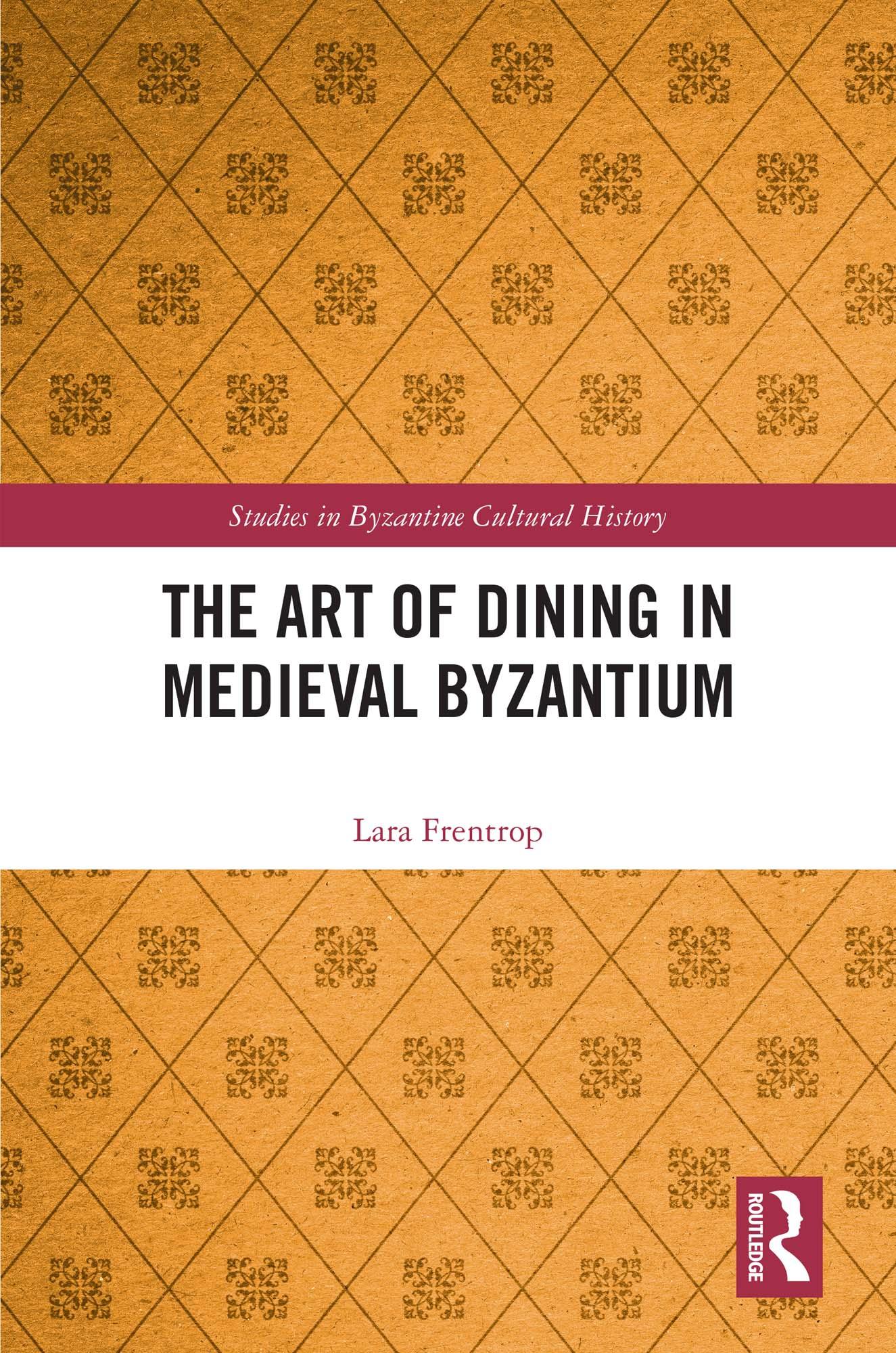
Thousands of intact ceramic bowls and plates as well as fragments made in the medieval Byzantine empire survive to this day. Decorated with figural and non-figural imagery applied in a variety of techniques and adorned with colourful paints and glazes, the vessels can tell us much about those who owned them and those who looked at them. In addition to innumerable ceramic vessels, a handful of precious metal bowls and plates survive from the period. Together, these objects make up the art of dining in medieval Byzantium. This art of dining was effervescent, at turns irreverent and deadly serious, visually stunning and fun. It is suggestive of ways in which those viewing the objects used a quotidian and biologically necessary (f)act – that of eating – to reflect on their lives and deaths, their aspirations and their realities.
This book examines the ceramic and metal vessels in terms of the information offered on the foods eaten, the foods desired and their status; the spectacle of the banquet; the relationship between word and image in medieval Byzantium; the dangers of taste; the emergence of new moral and social ideals; and the use of dining as a tool in constructing and enforcing hierarchy.
This book is of appeal to scholarly and non-scholarly audiences interested in the art and material culture of the medieval period and in the social history of food and eating.
Płać wygodnie kartą, Klarną, Apple Pay lub Google Pay. Nie jesteś zadowolony? Zawsze masz 14-dniową gwarancję zwrotu pieniędzy. Więcej przeczytasz w naszych warunkach. Masz pytania? Napisz do nas na hello@memmo.org.
Memmo ułatwia naukę – gdziekolwiek jesteś na świecie. U nas znajdziesz podręczniki i sprytne narzędzia do nauki w jednym miejscu: streszczenia, quizy, podcasty i fiszki. A do tego Ted, Twój kumpel do nauki, który odpowie na wszystko, co Cię nurtuje. Ponad 50 000 studentów już tu się uczy – stworzone, byś uczył się szybciej i mniej stresował.