
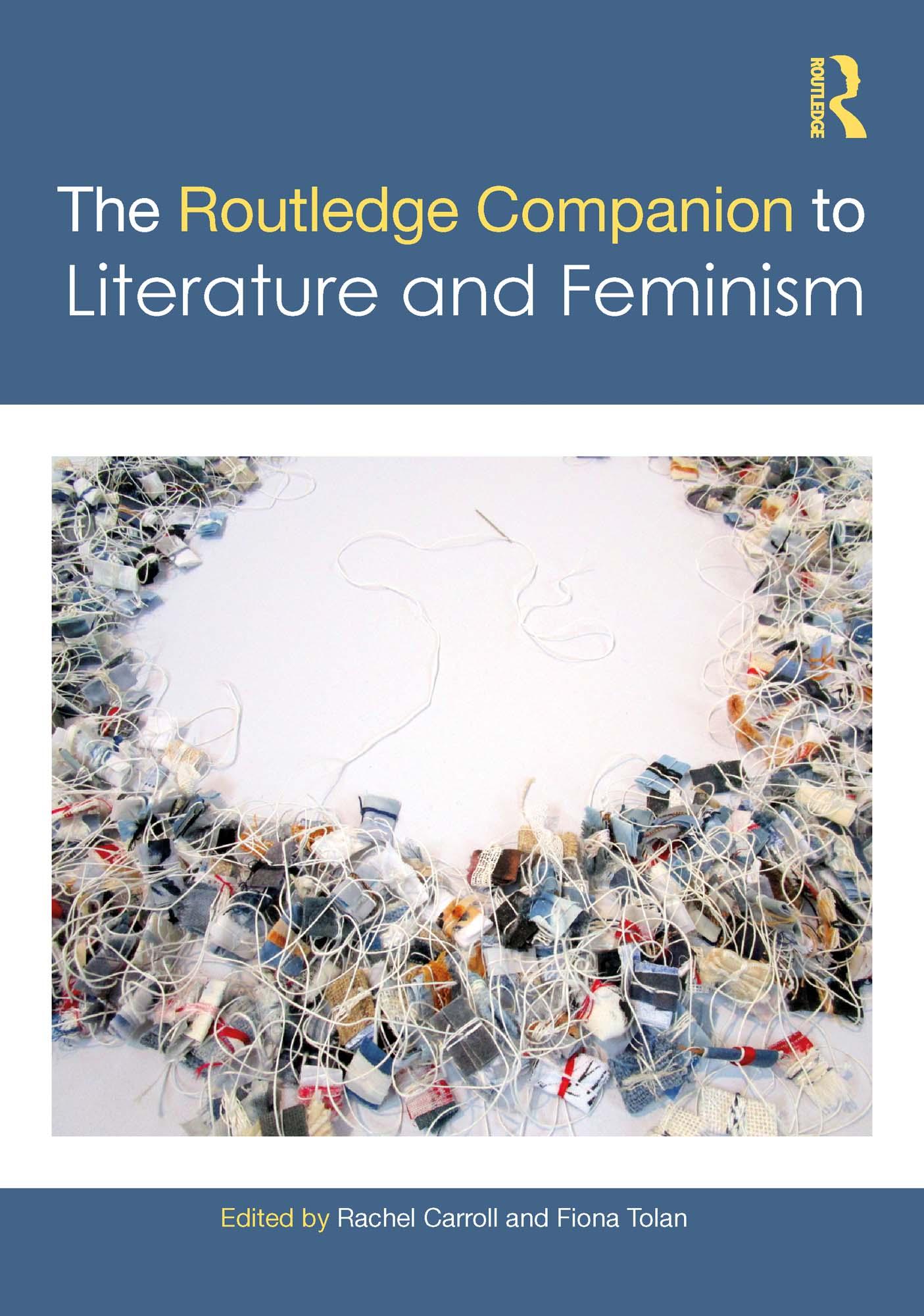
The Routledge Companion to Literature and Feminism brings unique literary, critical, and historical perspectives to the relationship between women’s writing and women’s rights in British contexts from the late eighteenth century to the present.
Thematically organised around five central concepts—Rights, Networks, Bodies, Production, and Activism—the Companion tracks vital questions and debates, offering fresh perspectives on changing priorities and enduring continuities in relation to women’s ongoing struggle for liberty and equality. This groundbreaking collection brings into focus the historical and cultural conditions which have shaped the formation of British literary feminisms, including the legacies of slavery, colonialism, and Empire. From the political novel of the 1790s to early twentieth-century suffrage theatre and contemporary ecofeminism, and from the mid-Victorian antislavery movement to anti-fascist activism in the 1930s and working-class women’s writing groups in the 1980s, this book testifies to the diverse and dynamic character of the relationship between literature and feminism.
Featuring contributions from leading feminist scholars, the Companion offers new insights into the crucial role played by women’s literary production in the evolving history of women’s rights discourses, feminist activism, and movements for gender equality. It will appeal to students and scholars in the fields of women’s writing, British literature, cultural history, and gender and feminist studies.
Płać wygodnie kartą, Klarną, Apple Pay lub Google Pay. Nie jesteś zadowolony? Zawsze masz 14-dniową gwarancję zwrotu pieniędzy. Więcej przeczytasz w naszych warunkach. Masz pytania? Napisz do nas na hello@memmo.org.
Memmo ułatwia naukę – gdziekolwiek jesteś na świecie. U nas znajdziesz podręczniki i sprytne narzędzia do nauki w jednym miejscu: streszczenia, quizy, podcasty i fiszki. A do tego Ted, Twój kumpel do nauki, który odpowie na wszystko, co Cię nurtuje. Ponad 50 000 studentów już tu się uczy – stworzone, byś uczył się szybciej i mniej stresował.