
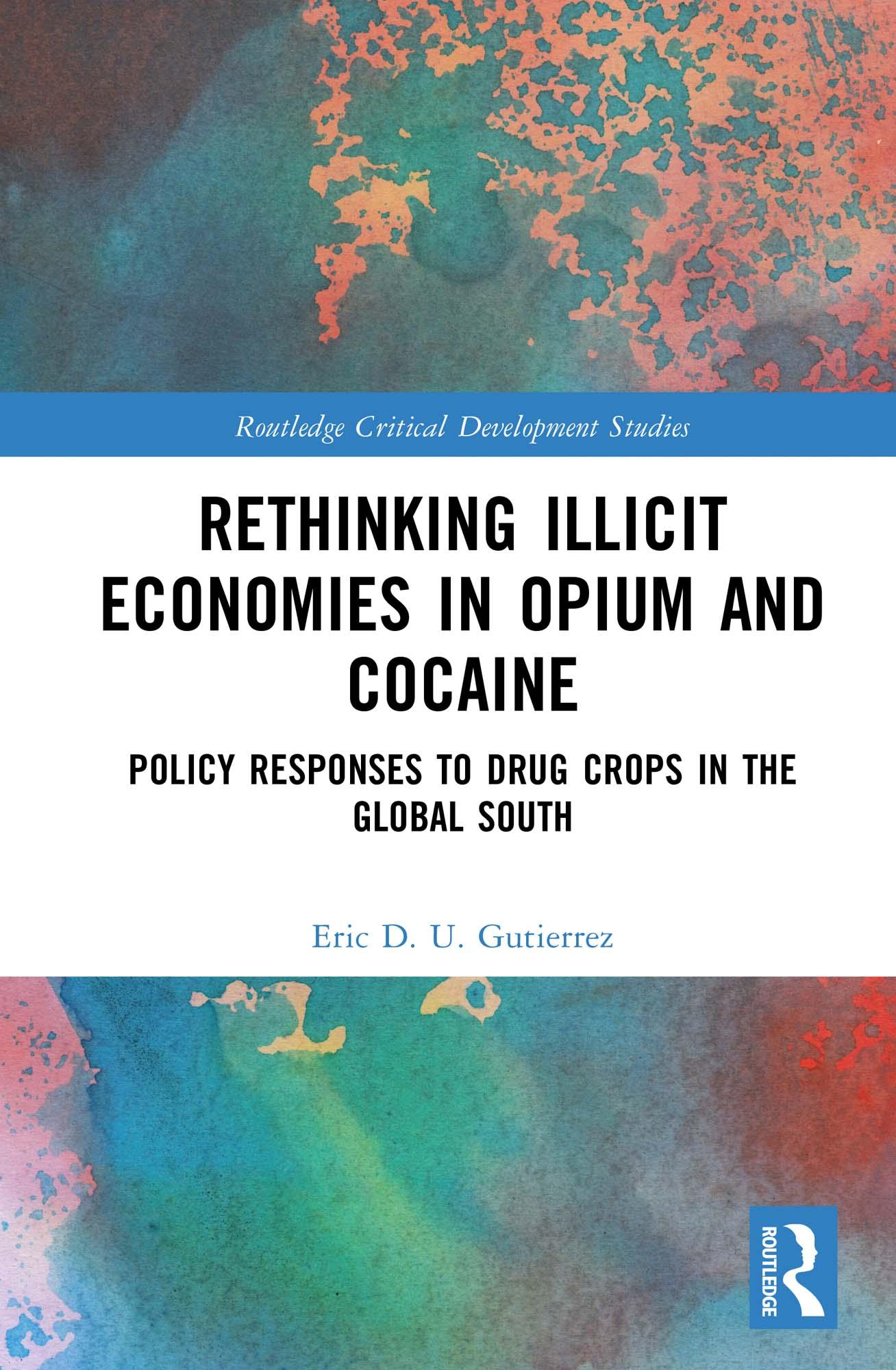
This book investigates the cross-border trade in illicit drug crops in the global south. It exposes an important paradox: despite all the dangers and negative consequences of these criminal networks, in many cases, they also provide marginalised and excluded communities with important private sources of protection, investment, and employment.
This book reconstructs and compares socioeconomic contexts, criminal careers, and changes in farmgate prices of illicit coca and opium poppy crops in Afghanistan, Myanmar, Colombia, and Bolivia. It investigates the politics of strange bedfellows; informal bankers-without-suits providing cross-border financial services to the undocumented and the unbanked; the criminals without borders; and the mystery of illicit crop prices. The book challenges commonly held assumptions and casts new light on how relationships of conflict and accommodation are arranged and re-arranged in fluid, everchanging contexts, producing often paradoxical outcomes. It then suggests policy reforms and alternative approaches to drug policy, development aid, and peacebuilding work.
Researchers and students across development, peacebuilding, illicit economies, and conflict studies will find this book an important source of original research and analysis. It will also be useful for politicians, commentators, and public officials considering what to do differently in tackling illicit drug economies.
Płać wygodnie kartą, Klarną, Apple Pay lub Google Pay. Nie jesteś zadowolony? Zawsze masz 14-dniową gwarancję zwrotu pieniędzy. Więcej przeczytasz w naszych warunkach. Masz pytania? Napisz do nas na hello@memmo.org.
Memmo ułatwia naukę – gdziekolwiek jesteś na świecie. U nas znajdziesz podręczniki i sprytne narzędzia do nauki w jednym miejscu: streszczenia, quizy, podcasty i fiszki. A do tego Ted, Twój kumpel do nauki, który odpowie na wszystko, co Cię nurtuje. Ponad 50 000 studentów już tu się uczy – stworzone, byś uczył się szybciej i mniej stresował.