
Zanim poznałem Memmo, moje notatki były rozrzucone po PDF-ach. Teraz obszar roboczy zbiera wszystko w jednym miejscu — widzę dokładnie, co jeszcze muszę powtórzyć.
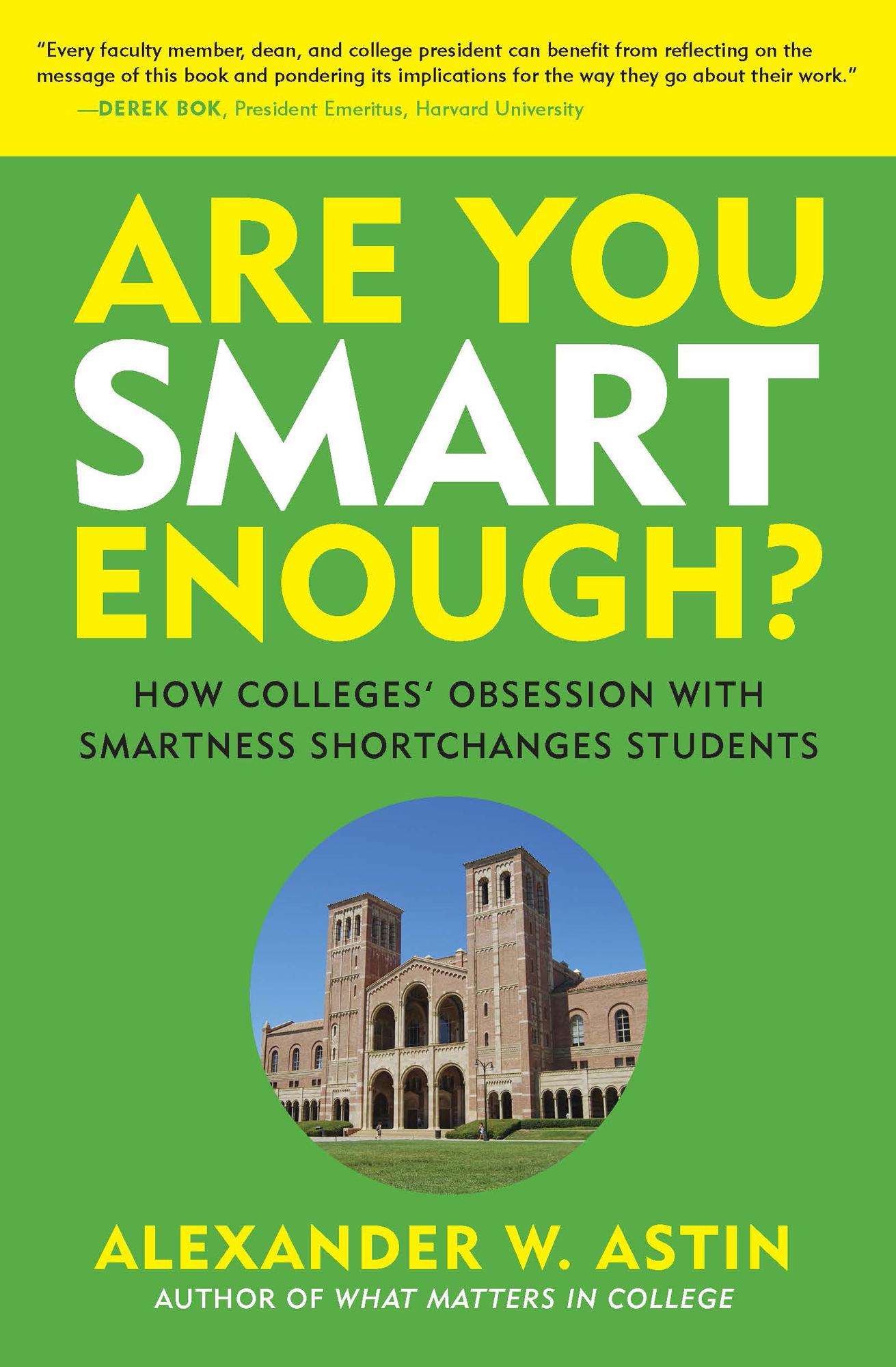
This book explores the many ways in which the obsession with “being smart” distorts the life of a typical college or university, and how this obsession leads to a higher education that shortchanges the majority of students, and by extension, our society’s need for an educated population. The author calls on his colleagues in higher education to return the focus to the true mission of developing the potential of each student: However “smart” they are when they get to college, both the student and the college should be able to show what they learned while there.Unfortunately, colleges and universities have embraced two very narrow definitions of smartness: the course grade and especially the standardized test. A large body of research shows that it will be very difficult for colleges to fulfill their stated mission unless they substantially broaden their conception to include student qualities such as leadership, social responsibility, honesty, empathy, and citizenship. Specifically, the book grapples with issues such as the following:• Why America’s 3,000-plus colleges and universities have evolved into a hierarchical pecking order, where institutions compete with each other to recruit “smart” students, and where a handful of elite institutions at the top of the pecking order enroll the “smartest” students.• Why higher education favors its smartest students to the point where the “not so smart” students get second-class treatment.• Why so many colleges find it difficult to make good on their commitment to affirmative action and “equality of opportunity.”• Why college faculties tend to value being smart more than developing students’ smartness (i.e., teaching and learning).
Zanim poznałem Memmo, moje notatki były rozrzucone po PDF-ach. Teraz obszar roboczy zbiera wszystko w jednym miejscu — widzę dokładnie, co jeszcze muszę powtórzyć.
Podsumowania Memmo to złoto przed egzaminami. Nie muszę czytać 800 stron dwa tygodnie wcześniej — tylko to, co najważniejsze.
Czat AI uratował mnie niejeden raz w noc przed egzaminem. Pytam, dopóki nie zrozumiem — i nie muszę czekać na odpowiedź od grupy studyjnej.
Quizy trafiają w punkt, jeśli chodzi o to, co muszę wiedzieć. Memmo śledzi, na czym się zacinam — więc ćwiczę tylko to, co naprawdę się liczy.
Fiszki z powtórkami rozłożonymi w czasie to magia. Memmo wie, kiedy mam coś zapomnieć i przypomina mi o tym.
Podcasty AI to mój faworyt. Słucham w drodze do szkoły i powtarzam materiał, nie siedząc przed komputerem.

Handbok i kvalitativa metoder
281 kr

Hållbar utveckling: en introduktion för ingenjörer och andra problemlösare
334 kr

Brymans Samhällsvetenskapliga metoder
390 kr

Projektledning
491 kr

Den orättvisa hälsan: om socioekonomiska skillnader i hälsa och livslängd
326 kr

Organizational Leadership
429 kr

Vetenskapsteori för nybörjare
196 kr

På väg mot läraryrket
172 kr

Det sociala livet i skolan: Socialpsykologiska perspektiv
253 kr

Betygsättningens didaktik
151 kr

Personality
402 kr

Studying Leadership
404 kr

Managing Innovation
477 kr

Introduktion till samhällsvetenskaplig metod
347 kr

The Psychology of Sex and Gender
698 kr

Evidens och kunskap för socialt arbete
207 kr

Introduction to Leadership
605 kr