
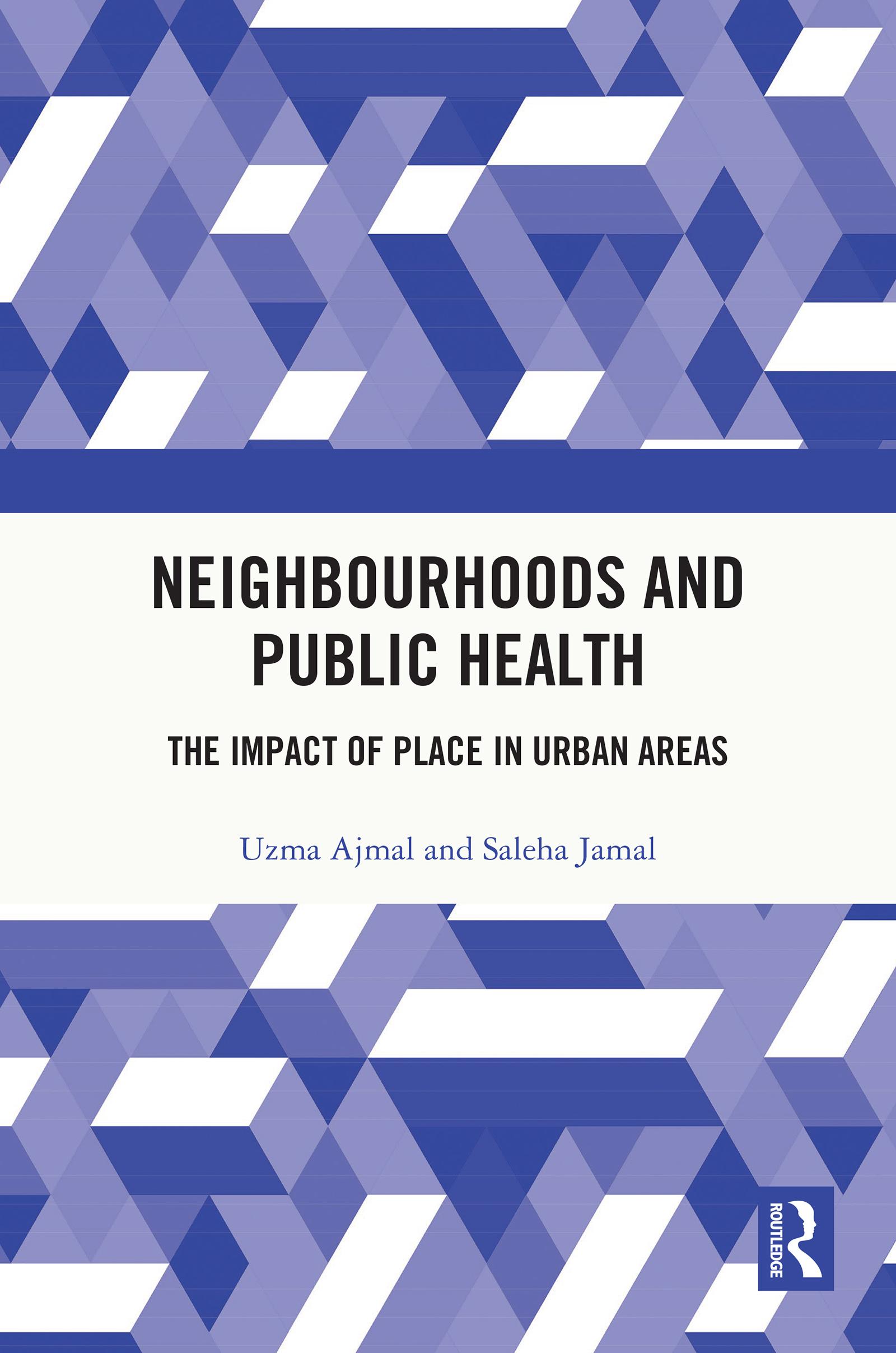
This book examines the concept of neighbourhood over space and time and understands how neighbourhoods can impact human health and well-being. It discusses the identification of neighbourhood boundaries, features of individual neighbourhoods, and the concept of neighbourhood in some major world as well as Indian cities. Based on extensive research, this study refers to both primary as well as secondary sources of data using various statistical and geo-spatial techniques. The first section of the book focuses on the concept of neighbourhood, concept of neighbourhood unit, methods used in the identification of neighbourhood boundaries and theories related to neighbourhood effects on health. The subsequent section of the book deals with a case study on neighbourhood effects on health in an Indian city. The case study is followed by a comparison of its results with other global studies.
This book will be useful to the departments of Geography, Public Health, Sociology and Social Work. It will also be of use to professionals and practitioners like city planners, architects, NGOs, Environmentalists, and urban policy makers.
Płać wygodnie kartą, Klarną, Apple Pay lub Google Pay. Nie jesteś zadowolony? Zawsze masz 14-dniową gwarancję zwrotu pieniędzy. Więcej przeczytasz w naszych warunkach. Masz pytania? Napisz do nas na hello@memmo.org.
Memmo ułatwia naukę – gdziekolwiek jesteś na świecie. U nas znajdziesz podręczniki i sprytne narzędzia do nauki w jednym miejscu: streszczenia, quizy, podcasty i fiszki. A do tego Ted, Twój kumpel do nauki, który odpowie na wszystko, co Cię nurtuje. Ponad 50 000 studentów już tu się uczy – stworzone, byś uczył się szybciej i mniej stresował.