
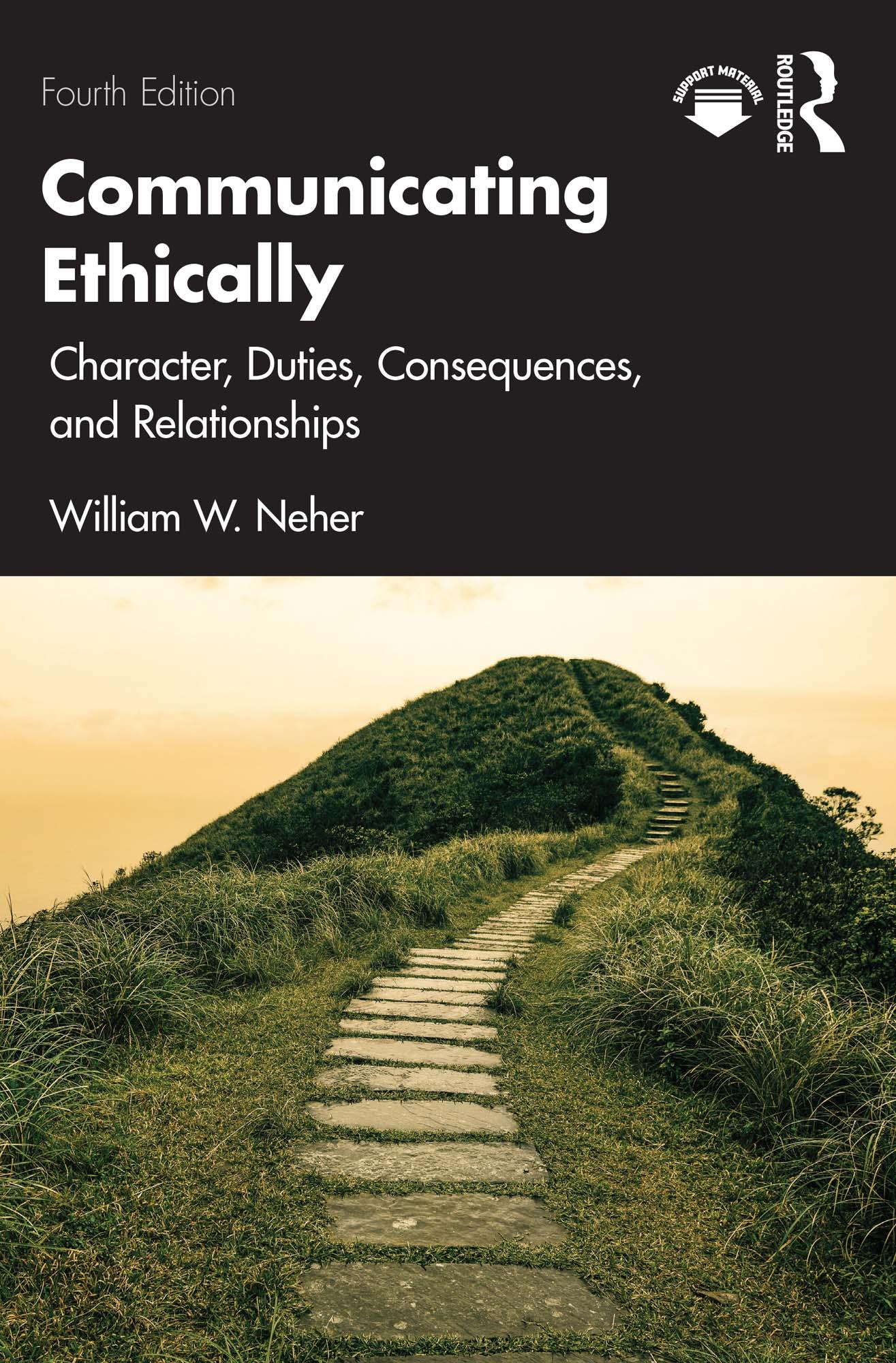
This thoroughly updated fourth edition provides a broad introduction to the major theoretical perspectives on the ethics of communication. It brings together classical and modern theories of ethical philosophy to address issues at play in specific careers and domains throughout the field.
By incorporating a simple framework for ethical reasoning, readers are able to develop their own understanding of various criteria for making ethical judgments. The book applies ethical theories, such as virtue and dialogical ethics, to interpersonal, organizational, political, social media, and digital communication contexts. This edition contains expanded coverage of contemporary and non-Western issues and theories. This includes the Black Lives Matter and #MeToo movements, "fake news", new technologies such as "Deepfake" videos, Confucian ethics, and Igbo ethics. It also includes a new chapter on the ethics of communicating scientific and medical risks.
This book serves as a core textbook for undergraduate courses in Communication and Media Ethics and can also be used as a supplemental resource for field-specific courses in Strategic Communication, Interpersonal Communication, and Public Relations.
Online resources for instructors include sample syllabi, sample assignments, and a test bank for multiple choice and essay questions. They are available at www.routledge.com/9781032507798.
Płać wygodnie kartą, Klarną, Apple Pay lub Google Pay. Nie jesteś zadowolony? Zawsze masz 14-dniową gwarancję zwrotu pieniędzy. Więcej przeczytasz w naszych warunkach. Masz pytania? Napisz do nas na hello@memmo.org.
Memmo ułatwia naukę – gdziekolwiek jesteś na świecie. U nas znajdziesz podręczniki i sprytne narzędzia do nauki w jednym miejscu: streszczenia, quizy, podcasty i fiszki. A do tego Ted, Twój kumpel do nauki, który odpowie na wszystko, co Cię nurtuje. Ponad 50 000 studentów już tu się uczy – stworzone, byś uczył się szybciej i mniej stresował.