
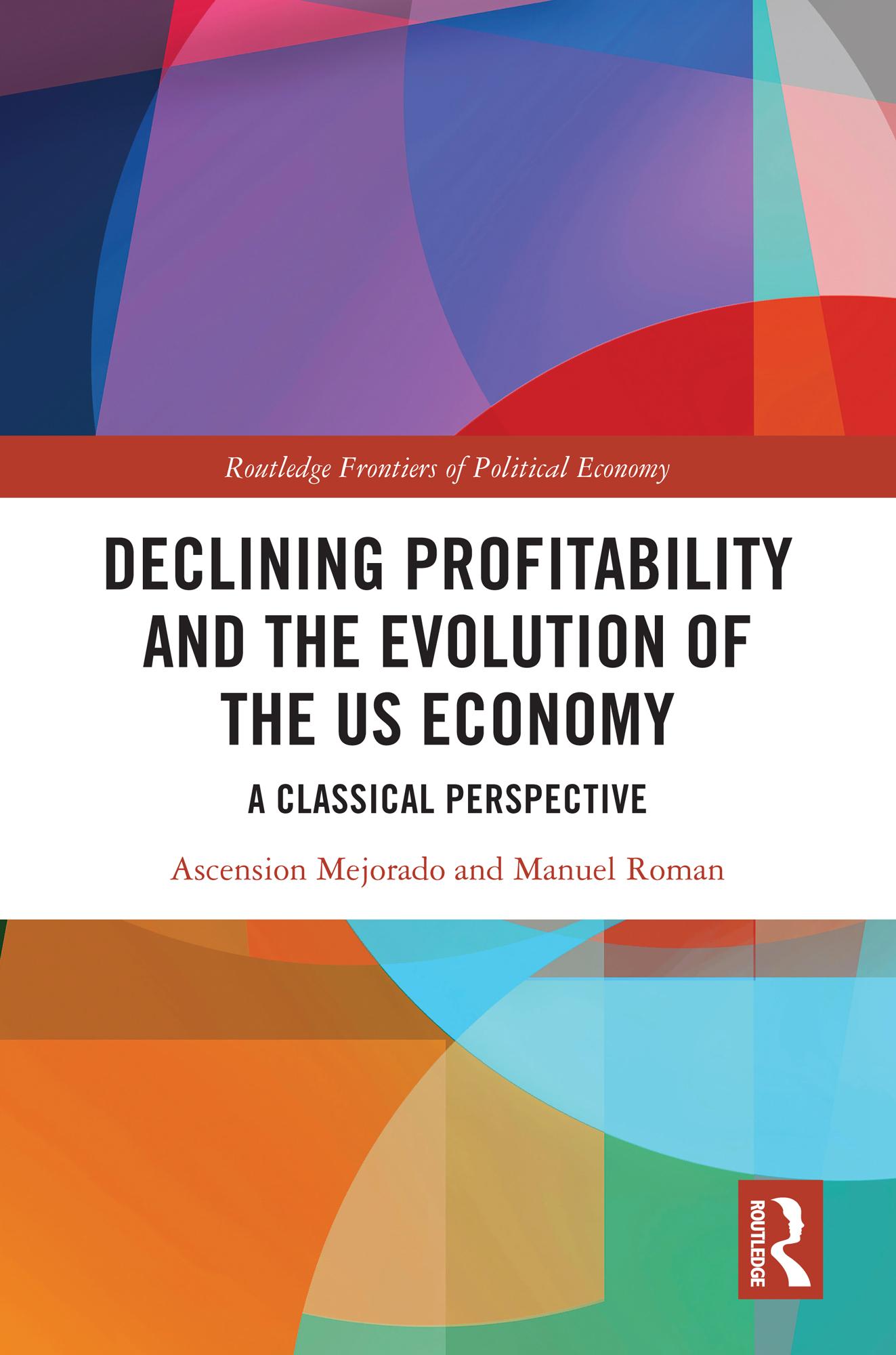
The 1970s were a pivotal decade for the US economy: deindustrialization broke the power of the labor unions and made possible the redistribution of income in favor of corporate profits; globalization and offshore investments opened alternatives to domestic nonfinancial capital accumulation; domestic productivity growth declined; and labor-saving technology empowered superstar corporations to rapidly gain market share. This book argues that the persistent fall in profitability, leading to the stagflation crisis, was a direct result of the transition from the Fordist phase of capital accumulation, based on large-scale manufacturing, to the neoliberal phase and the rising power of finance. Neoliberalism restored the power of rentiers but not the profit rates of nonfinancial corporations. Falling accumulation rates weakened the growth capacity of nonfinancial corporate firms and secular stagnation became the norm. Neo-Keynesian economists, Larry Summers and Paul Krugman, explained the persistence of secular stagnation with arguments borrowed from Alvin Hansen in the 1930s, such as the declining birth rate or the falling relative prices of investment goods, hence a shortfall of demand. In the Classical paradigm, profitability drives capital accumulation and falling profitability slows down growth. As the accumulation rate declined and the capacity growth diminished, breakdowns in supply links, due to the COVID-19 pandemic, prevented large infusions of purchasing power to find matching levels of supply, hence the stagflation crisis returned. The book will be a great asset to researchers and scholars interested in the development of Classical Political Economy concerning issues related to inflation, stagnation, growing inequality, and the next phase of neoliberalism.
Strony: 310
Kategoria: Ekonomi & Utveckling
e-ISBN: 9781000956368
Waga przesyłki: 1.2 kg
Wysyłka w ciągu: 1-2 dni
Płać wygodnie kartą, Klarną, Apple Pay lub Google Pay. Nie jesteś zadowolony? Zawsze masz 14-dniową gwarancję zwrotu pieniędzy. Więcej przeczytasz w naszych warunkach. Masz pytania? Napisz do nas na hello@memmo.org.
Memmo ułatwia naukę – gdziekolwiek jesteś na świecie. U nas znajdziesz podręczniki i sprytne narzędzia do nauki w jednym miejscu: streszczenia, quizy, podcasty i fiszki. A do tego Ted, Twój kumpel do nauki, który odpowie na wszystko, co Cię nurtuje. Ponad 50 000 studentów już tu się uczy – stworzone, byś uczył się szybciej i mniej stresował.
Może Ci się spodobać
Kup książkę0