
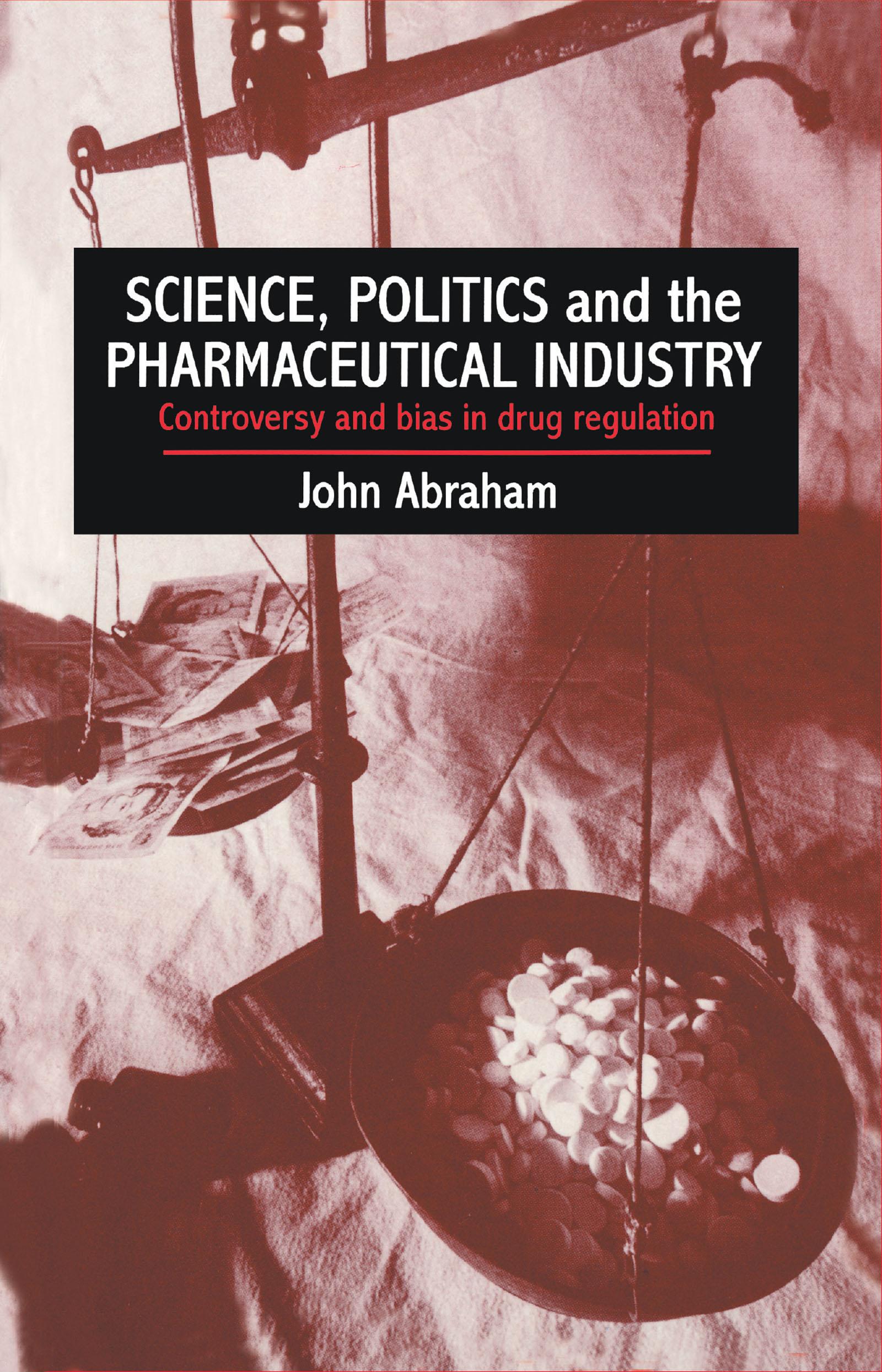
Drug disasters from Thalidomide to Opren, and other less dramatic cases of drug injury, raise questions about whether the testing and control of medicines provides satisfactory protection for the public. In this revealing study, John Abrahan develops a theoretically challenging realist approach, in order to probe deeply into the work of scientists in the pharmaceutical industry and governmental drug regulatory authorities on both sides of the Atlantic. Through the examination of contemporary controversial case studies, he exposes how the commercial interest of drug manufacturers are consistently given the benefit of the scientific doubts about medicine safety and effectiveness, over and above the best interests of patients.; A highly original combination of philosophical rigour, historical sensitivity and empirical depth enables the "black box" of industrial and government science to be opened up to critical scrutiny much more than in previous social scientific study. All major aspects of drug testing and regulation are considered, including pre- clinical animal tests, clinical trials and postmarketing surveillance of adverse drug reactions. The author argues that drug regulators are too dependent on pharmaceutical industry resources and expertise, and too divorced from public accountability. The problem of corporate bias is particularly severe in the UK, where regulatory decisions about medicine safety are shrouded in greater secrecy than in the US.; Since the purpose of drug regulation should be to maximize the safety and effectiveness of medicines for patients, the public needs and deserves policies to counteract corporate bias in drug testing and evaluation. John Abraham's realist analysis provides a robust basis for policy interventions at the institutional and legislative levels. He proposes that corporate bias could be reduced by more extensive freedom of information, greater autonomy of government scientists from pharmaceutical industry, the development of independent drug testing by the regulatory authority, increased patient representation on regulatory committees, and more frequent and thorough oversight of regulatory performance by the legislature. This book should be of interest to anyone who cares about how medicines should be controlled in modern society. It should prove particularly rewarding for students and researchers in the sociology of science and technology, science and medicines policy, medical sociologists, the medical and pharmaceutical professions, and consumer organizations.
Płać wygodnie kartą, Klarną, Apple Pay lub Google Pay. Nie jesteś zadowolony? Zawsze masz 14-dniową gwarancję zwrotu pieniędzy. Więcej przeczytasz w naszych warunkach. Masz pytania? Napisz do nas na hello@memmo.org.
Memmo ułatwia naukę – gdziekolwiek jesteś na świecie. U nas znajdziesz podręczniki i sprytne narzędzia do nauki w jednym miejscu: streszczenia, quizy, podcasty i fiszki. A do tego Ted, Twój kumpel do nauki, który odpowie na wszystko, co Cię nurtuje. Ponad 50 000 studentów już tu się uczy – stworzone, byś uczył się szybciej i mniej stresował.
Może Ci się spodobać
Kup książkę0