
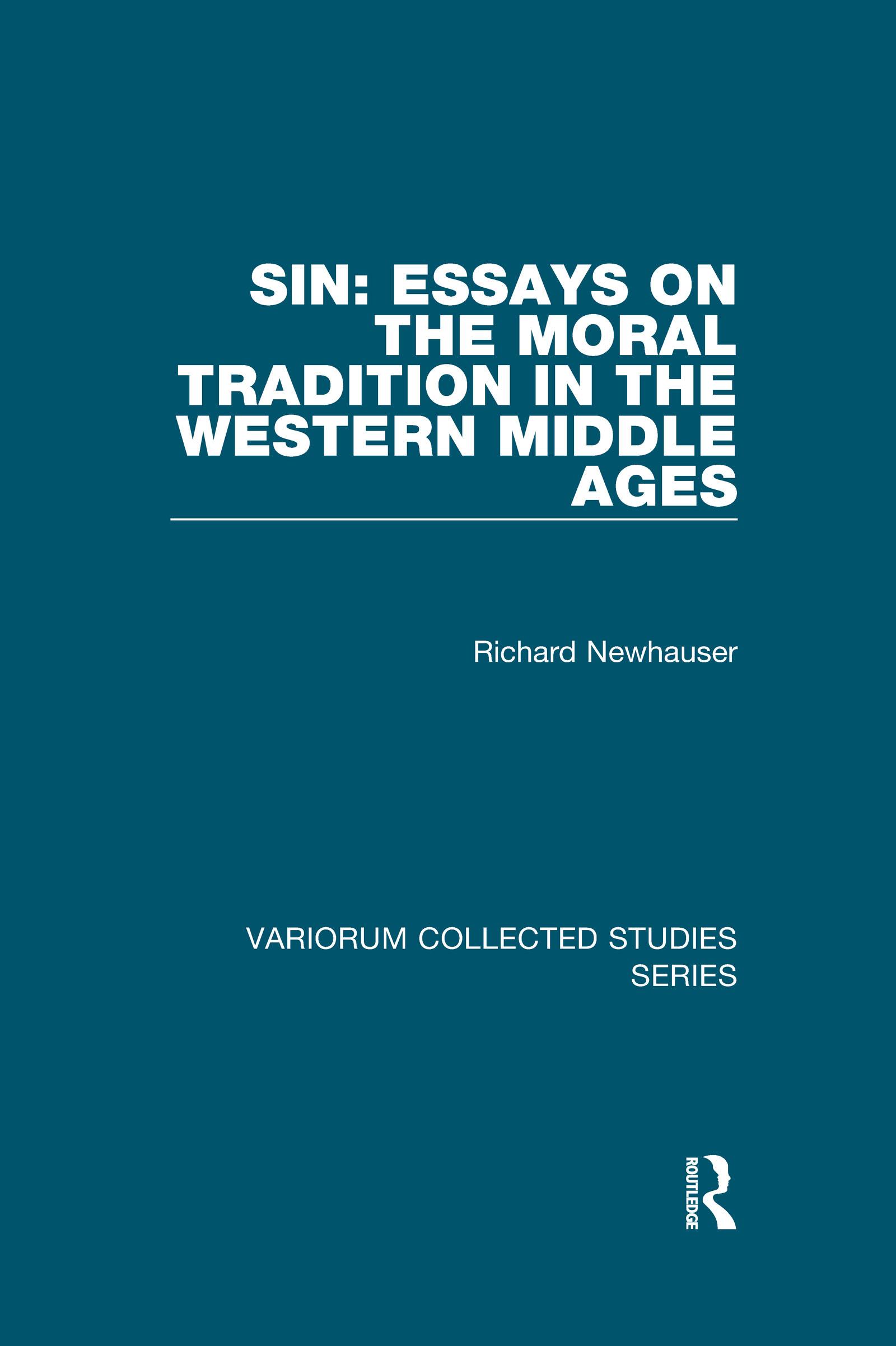
Richard Newhauser examines here aspects of the moral tradition of medieval thought, specifically the construction of the seven deadly sins, their offspring, and related schematizations of immorality in the Latin West. The emphasis in these studies is on the malleability of moral categories, their relationship to changes in medieval culture, and the creativity and sensitivity of the thinkers who made use of the concepts of sinfulness in the Middle Ages. The first section examines the contexts in which the seven deadly sins (or nine accessory sins) are found in medieval Latin, English, and German texts, and in particular the genre of the treatise on vices and virtues as the major vehicle in which concepts of immorality were examined and presented to a variety of audiences for meditative or pastoral purposes. The second section deals with one of the more interesting of the seven deadly sins, avarice, in its penitential, literary, apocalyptic, and institutional contexts, as its definition changed slowly with developing commercial experiences in medieval Europe. In the last section the breadth of the concept of a sinful curiosity is examined, and its historical development is delineated in the thought of Augustine of Hippo and the early Cistercians.
Strony: 304
Kategoria: Religion & Teologi
e-ISBN: 9781000939798
Waga przesyłki: 1.2 kg
Wysyłka w ciągu: 1-2 dni
Płać wygodnie kartą, Klarną, Apple Pay lub Google Pay. Nie jesteś zadowolony? Zawsze masz 14-dniową gwarancję zwrotu pieniędzy. Więcej przeczytasz w naszych warunkach. Masz pytania? Napisz do nas na hello@memmo.org.
Memmo ułatwia naukę – gdziekolwiek jesteś na świecie. U nas znajdziesz podręczniki i sprytne narzędzia do nauki w jednym miejscu: streszczenia, quizy, podcasty i fiszki. A do tego Ted, Twój kumpel do nauki, który odpowie na wszystko, co Cię nurtuje. Ponad 50 000 studentów już tu się uczy – stworzone, byś uczył się szybciej i mniej stresował.
Może Ci się spodobać
Kup książkę0