
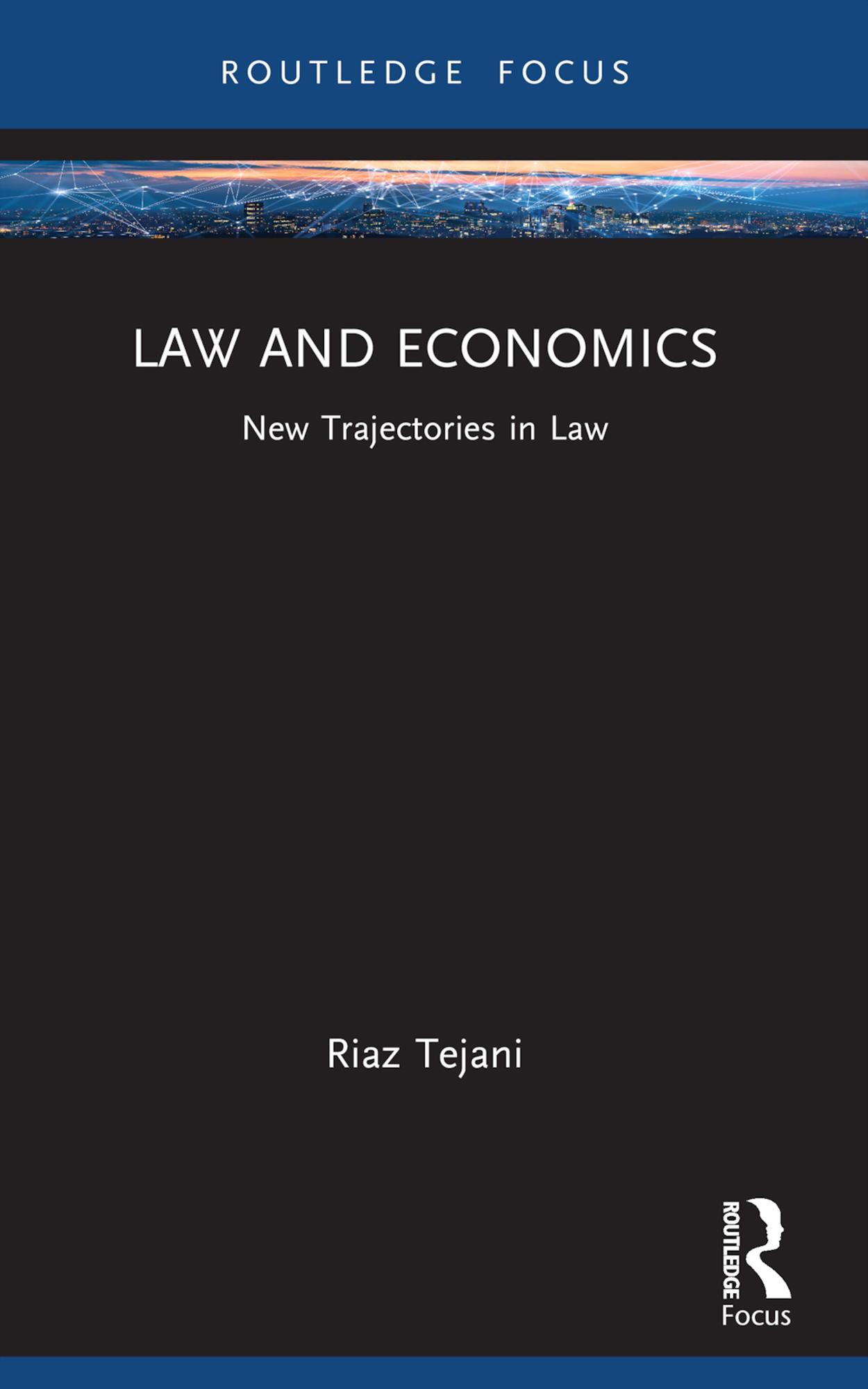
This book examines the contemporary significance of the Law and Economics movement.
Drawing on anthropology, sociology, political economy, and ethics, the book traces the influence of lawyer-economists in developing and operationalizing key ideas—for instance human capital and structural adjustment—that have come to be grouped under the heading of “neoliberalism”. It then examines how these ideas are tied to global environmental harm and to wealth inequality. Largely because of such ties, sociolegal studies tend to dismiss economic thought. This book, however, forges a path between economic and sociolegal approaches. Discussing thinkers such as Foucault and Polanyi, Calabresi and Sunstein, it demonstrates both the possibilities and limitations inherent in economistic approaches to law. Bringing together disparate and sometimes conflicting literatures, the book thereby eschews disciplinary taboos in the name of a creative, sympathetic, and critical rereading of the key ideas of Law and Economics.
This book will be of interest to students and researchers in sociolegal studies, anthropology, sociology, and economics.
Płać wygodnie kartą, Klarną, Apple Pay lub Google Pay. Nie jesteś zadowolony? Zawsze masz 14-dniową gwarancję zwrotu pieniędzy. Więcej przeczytasz w naszych warunkach. Masz pytania? Napisz do nas na hello@memmo.org.
Memmo ułatwia naukę – gdziekolwiek jesteś na świecie. U nas znajdziesz podręczniki i sprytne narzędzia do nauki w jednym miejscu: streszczenia, quizy, podcasty i fiszki. A do tego Ted, Twój kumpel do nauki, który odpowie na wszystko, co Cię nurtuje. Ponad 50 000 studentów już tu się uczy – stworzone, byś uczył się szybciej i mniej stresował.