
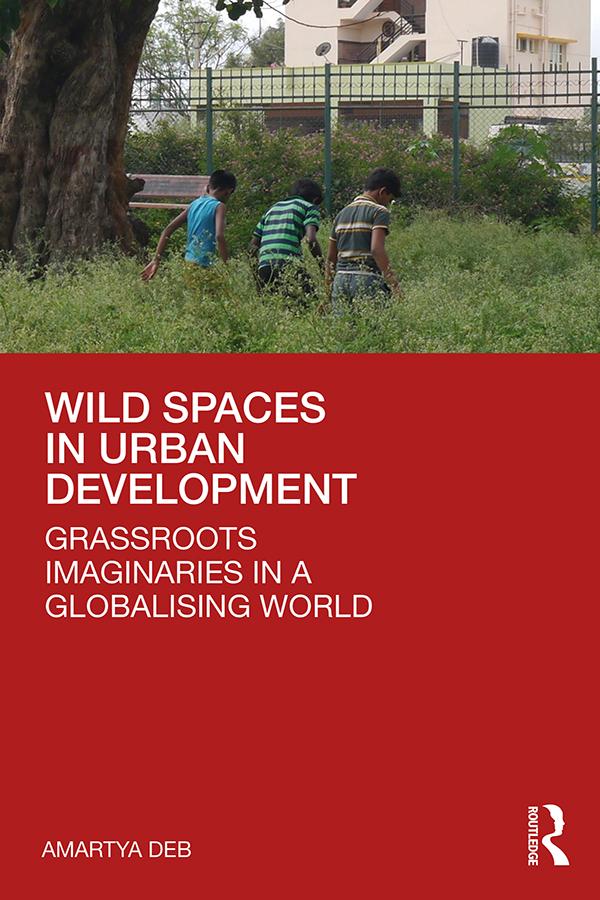
This fascinating book examines how microsites of spontaneous nature can reframe our understanding of the relationship between urban development and green space.
Metropolitan cities are facing stark inequalities of green space distribution, hindering goals of sustainable development. But outside of human control, spontaneous nature grows in spaces that are neglected or are unaccounted for. Drawing on existing literature and primary research in a range of towns and cities, including Quito in Ecuador, Bengaluru and Kolkata in India, and Whitby in the United Kingdom, the book delves into the morphology, meanings, and values of those small-scale assemblages of wild growth which are typically overlooked. Discussing instead how such settings can be integrated into everyday urban life, the book offers a fresh perspective on issues around green infrastructure, heritage conservation, and environmental education, enabling cities worldwide to become more nature-positive.
A unique examination of an under-researched topic, this book will appeal to students, researchers, and professionals across landscape architecture, urban planning, urban ecology, and all related fields.
Płać wygodnie kartą, Klarną, Apple Pay lub Google Pay. Nie jesteś zadowolony? Zawsze masz 14-dniową gwarancję zwrotu pieniędzy. Więcej przeczytasz w naszych warunkach. Masz pytania? Napisz do nas na hello@memmo.org.
Memmo ułatwia naukę – gdziekolwiek jesteś na świecie. U nas znajdziesz podręczniki i sprytne narzędzia do nauki w jednym miejscu: streszczenia, quizy, podcasty i fiszki. A do tego Ted, Twój kumpel do nauki, który odpowie na wszystko, co Cię nurtuje. Ponad 50 000 studentów już tu się uczy – stworzone, byś uczył się szybciej i mniej stresował.