
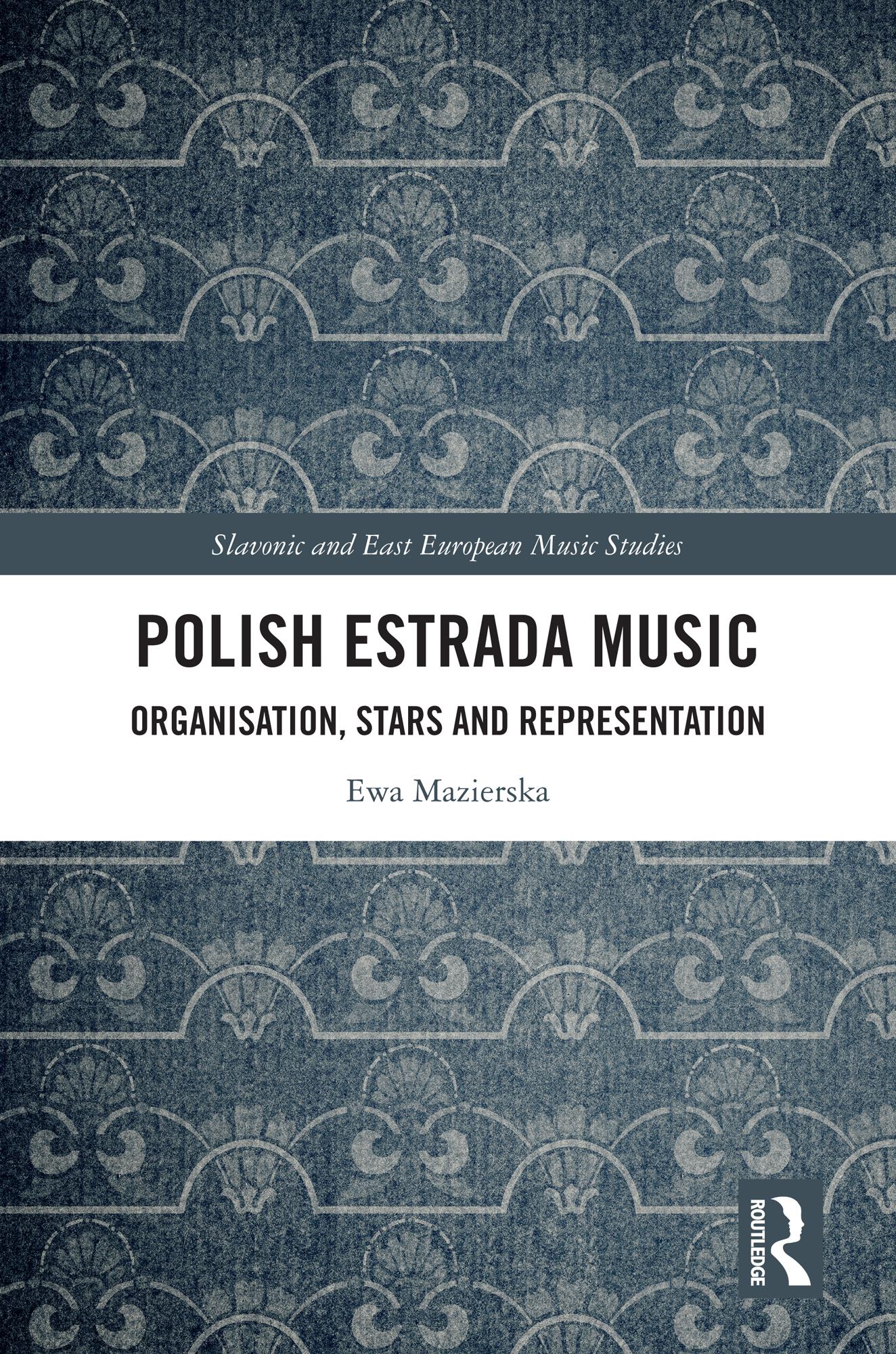
Polish estrada music dominated Polish popular music throughout the state socialist period but gained little attention from popular music scholars because it was regarded as being of low quality and politically conformist. Ewa Mazierska carefully examines these assumptions, considering those institutions which catered for the needs of estrada artists and their fans, the presence of estrada in different media and the careers and styles of the leading stars, such as Mieczysław Fogg, Irena Santor, Violetta Villas, Anna German, Jerzy Połomski, Maryla Rodowicz, Zdzisława Sośnicka, Zbigniew Wodecki and Izabela Trojanowska. Mazierska also discusses the memory and legacy of estrada music in the postcommunist period. The book draws on Poland’s cultural and political history and the history of Polish popular music and media, including television and radio. Mazierska engages with concepts such as genre, stardom and authenticity in order to capture the essence of Polish estrada music and to provide a comparison with popular music produced in other countries.
Płać wygodnie kartą, Klarną, Apple Pay lub Google Pay. Nie jesteś zadowolony? Zawsze masz 14-dniową gwarancję zwrotu pieniędzy. Więcej przeczytasz w naszych warunkach. Masz pytania? Napisz do nas na hello@memmo.org.
Memmo ułatwia naukę – gdziekolwiek jesteś na świecie. U nas znajdziesz podręczniki i sprytne narzędzia do nauki w jednym miejscu: streszczenia, quizy, podcasty i fiszki. A do tego Ted, Twój kumpel do nauki, który odpowie na wszystko, co Cię nurtuje. Ponad 50 000 studentów już tu się uczy – stworzone, byś uczył się szybciej i mniej stresował.