
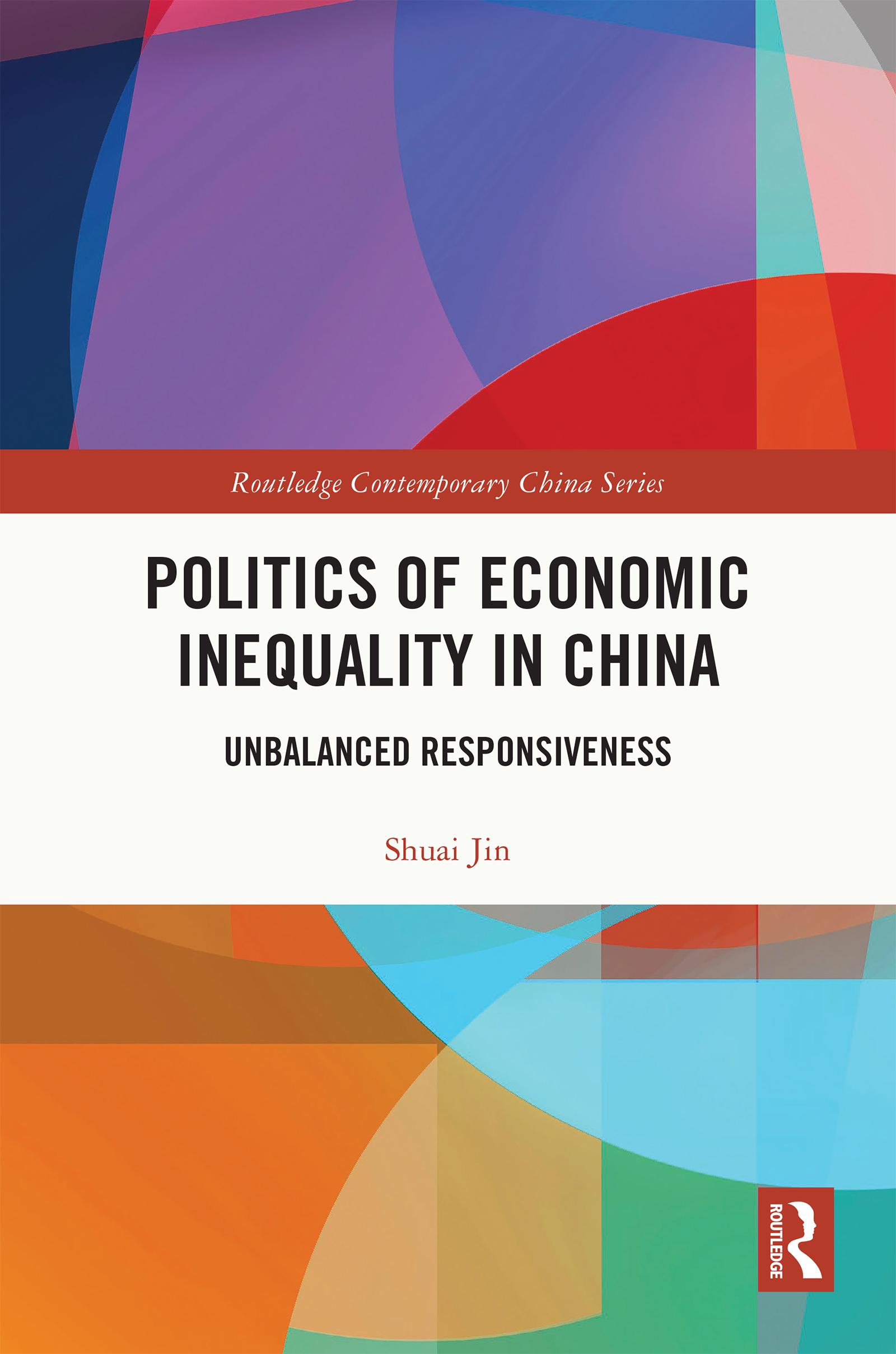
This book applies a novel theory of ‘unbalanced responsiveness’ to the issue of economic inequality in China to better understand the relationship between authoritarian regimes and their citizens.
The book highlights how the Chinese Communist Party (CCP) has responded to dissatisfaction over inequality, with both propaganda and policy, revealing how the responsiveness in these two arenas is unbalanced. Arguing that while CCP propaganda claims to reduce inequality, its welfare programs have been stratified, unfair, and regressive, aggravating instead of alleviating inequalities. By utilizing data from multiple national surveys, the book reveals that the discrepancy between propaganda and policy ultimately generates further dissatisfaction and strong demands for redistribution. The findings of this study indicate how unmitigated and prolonged economic inequality could be a real threat to the sustained rule of the CCP regime.
Providing a new theory, applicable to authoritarian and especially communist regimes, demonstrated through the lens of China, this book will be a valuable resource to students and scholars of Chinese studies, political science, and public policy.
Płać wygodnie kartą, Klarną, Apple Pay lub Google Pay. Nie jesteś zadowolony? Zawsze masz 14-dniową gwarancję zwrotu pieniędzy. Więcej przeczytasz w naszych warunkach. Masz pytania? Napisz do nas na hello@memmo.org.
Memmo ułatwia naukę – gdziekolwiek jesteś na świecie. U nas znajdziesz podręczniki i sprytne narzędzia do nauki w jednym miejscu: streszczenia, quizy, podcasty i fiszki. A do tego Ted, Twój kumpel do nauki, który odpowie na wszystko, co Cię nurtuje. Ponad 50 000 studentów już tu się uczy – stworzone, byś uczył się szybciej i mniej stresował.