
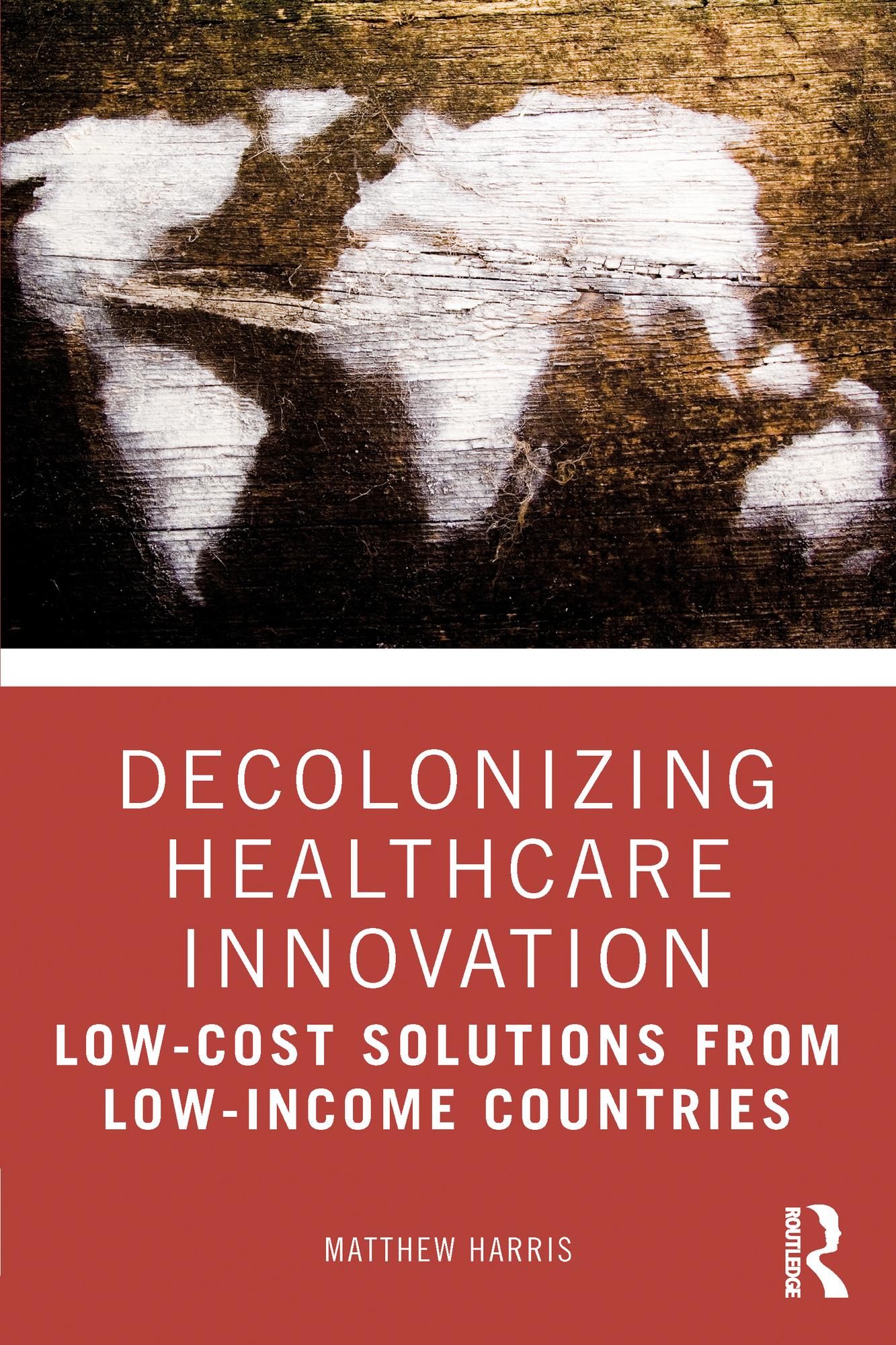
This fascinating book offers a pathway for the NHS to adopt low-cost but effective innovations from areas of the world traditionally seen as beneficiaries rather than providers of help and support.
In an era of increasing demand and dwindling resources, and where the COVID-19 pandemic has illustrated the structural limitations of the current system, the book provides examples of simple, frugal but high-quality alternatives to current practice. From orthopaedics to paediatrics, and mental health to plastic surgery, the book illustrates how low- and middle-income countries have found solutions to healthcare issues that are not only safe and clinically effective but also have the potential to save the NHS millions of pounds. Grounded in the contemporary debates of decolonization, it invites readers to question the culture and systems in global health that view low-income countries as solely passive recipients of aid.
The volume will be essential reading for students and scholars across Public Health, Global Health, and Development Studies, as well as healthcare managers and policy makers in the UK and beyond.
Płać wygodnie kartą, Klarną, Apple Pay lub Google Pay. Nie jesteś zadowolony? Zawsze masz 14-dniową gwarancję zwrotu pieniędzy. Więcej przeczytasz w naszych warunkach. Masz pytania? Napisz do nas na hello@memmo.org.
Memmo ułatwia naukę – gdziekolwiek jesteś na świecie. U nas znajdziesz podręczniki i sprytne narzędzia do nauki w jednym miejscu: streszczenia, quizy, podcasty i fiszki. A do tego Ted, Twój kumpel do nauki, który odpowie na wszystko, co Cię nurtuje. Ponad 50 000 studentów już tu się uczy – stworzone, byś uczył się szybciej i mniej stresował.