
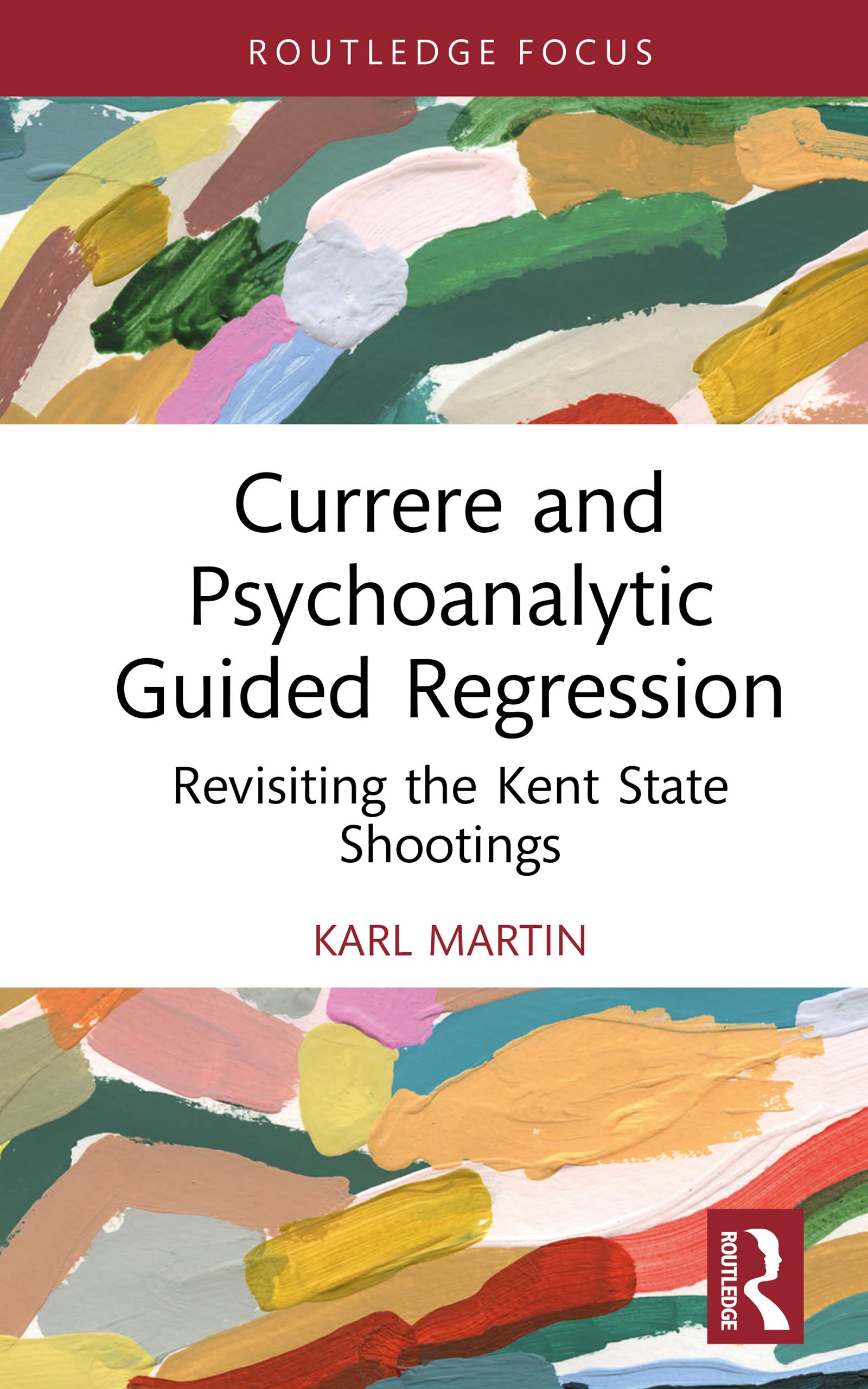
This book revisits the 1970 Kent State shootings, also known as the May 4 massacre and the Kent State massacre, using a new approach of currere and psychoanalytic guided regression. Drawing on a variety of interviews with those who were present at the events or who have close connections to the aftermath, the author engages in what he terms a doubled currere. This includes weaving a description of currere and narrative work with the actual storytelling of the subjects in order to build bridges and positive meaning through allegory and through inquiry that honors the narrative and re-energizes the field. Using a combination of the interviews, analysis and synthesis, the book re-activates and re-vitalizes the events, crucially engages with the notion of alterity, and unpacks the singularity of the past in its distinctive complexity. Carrying themes of hopeful ambiguity, it demonstrates how positive change can be guided, and positive insights engendered. Constructing a new remembrance of these tragic events and offering a distinctive and unique study utilizing currere, it will appeal to scholars of curriculum and instruction, as well as psychiatrists, psychologists, and historians.
Płać wygodnie kartą, Klarną, Apple Pay lub Google Pay. Nie jesteś zadowolony? Zawsze masz 14-dniową gwarancję zwrotu pieniędzy. Więcej przeczytasz w naszych warunkach. Masz pytania? Napisz do nas na hello@memmo.org.
Memmo ułatwia naukę – gdziekolwiek jesteś na świecie. U nas znajdziesz podręczniki i sprytne narzędzia do nauki w jednym miejscu: streszczenia, quizy, podcasty i fiszki. A do tego Ted, Twój kumpel do nauki, który odpowie na wszystko, co Cię nurtuje. Ponad 50 000 studentów już tu się uczy – stworzone, byś uczył się szybciej i mniej stresował.