
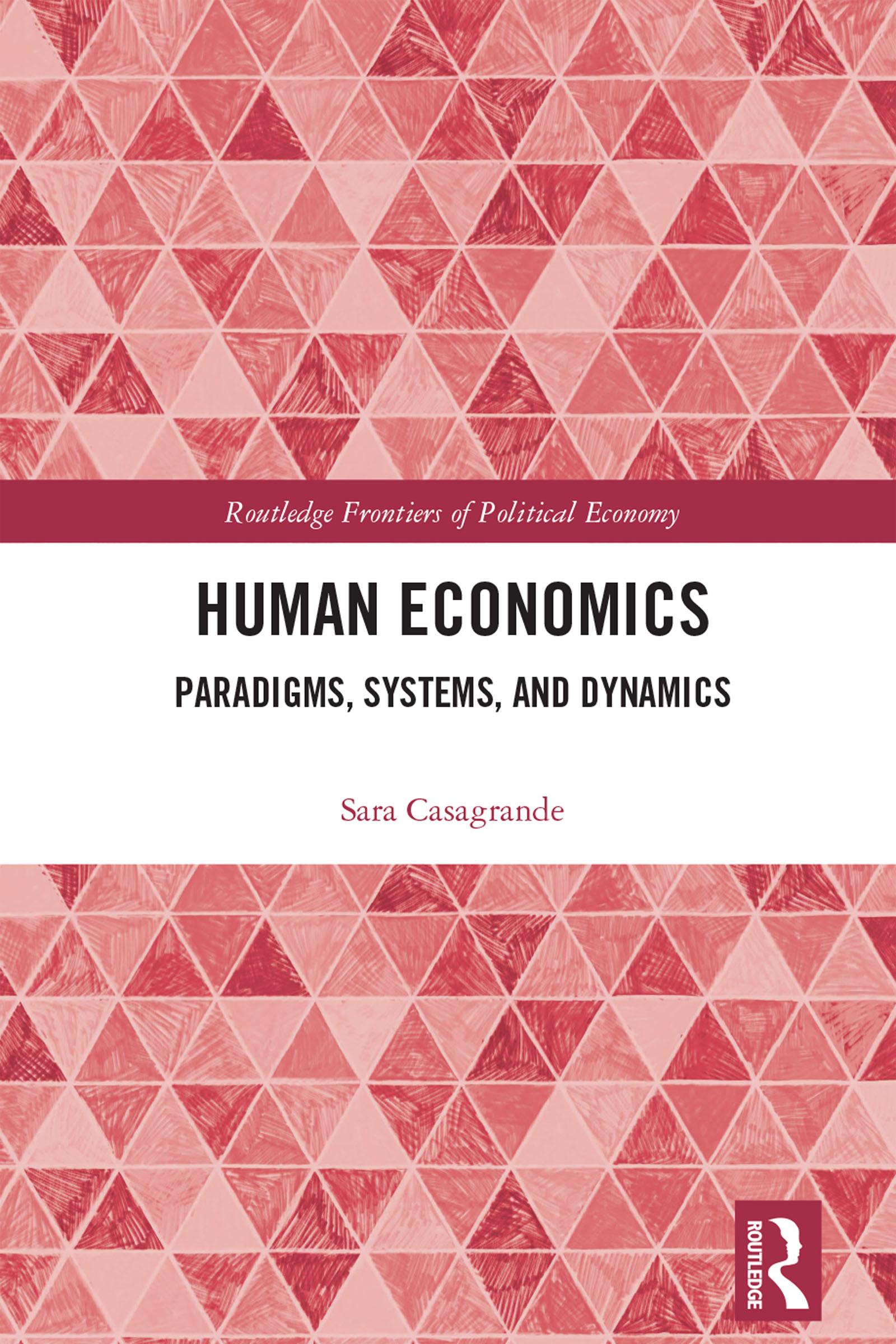
The term “human economics” is sometimes used within economic theory with the hope of repositioning economic discipline as a human and social science, but with scarce success. Indeed, although great economists have always carefully considered human nature, it has been largely neglected in modern economics. This book explores the potentials of a human economics, arguing that the complexity and peculiarities of human nature should be central to the study of economics. Complex economic phenomena are subject to laws and limits that reveal their internal order in spite of the apparent randomness and unpredictability. The book embraces the contributions of thinkers and economists who have tried to fully consider human nature and society within their biological environment. From these solid foundations, the book introduces a different Weltanschauung, offers an analysis of socio-economic paradigms, and develops an alternative theoretical framework. On the basis of a transdisciplinary methodology, the book investigates human nature, interactions, and systems up to the macroeconomic cyclical development of the capitalist system. Future perspectives and issues facing modern economies are also discussed from environmental sustainability to globalization and socio-political challenges. This book marks an original contribution to the literature on retooling economic discipline and presents useful food for thought for scholarly readers while remaining accessible to graduates who are studying mainstream economics.
Płać wygodnie kartą, Klarną, Apple Pay lub Google Pay. Nie jesteś zadowolony? Zawsze masz 14-dniową gwarancję zwrotu pieniędzy. Więcej przeczytasz w naszych warunkach. Masz pytania? Napisz do nas na hello@memmo.org.
Memmo ułatwia naukę – gdziekolwiek jesteś na świecie. U nas znajdziesz podręczniki i sprytne narzędzia do nauki w jednym miejscu: streszczenia, quizy, podcasty i fiszki. A do tego Ted, Twój kumpel do nauki, który odpowie na wszystko, co Cię nurtuje. Ponad 50 000 studentów już tu się uczy – stworzone, byś uczył się szybciej i mniej stresował.