
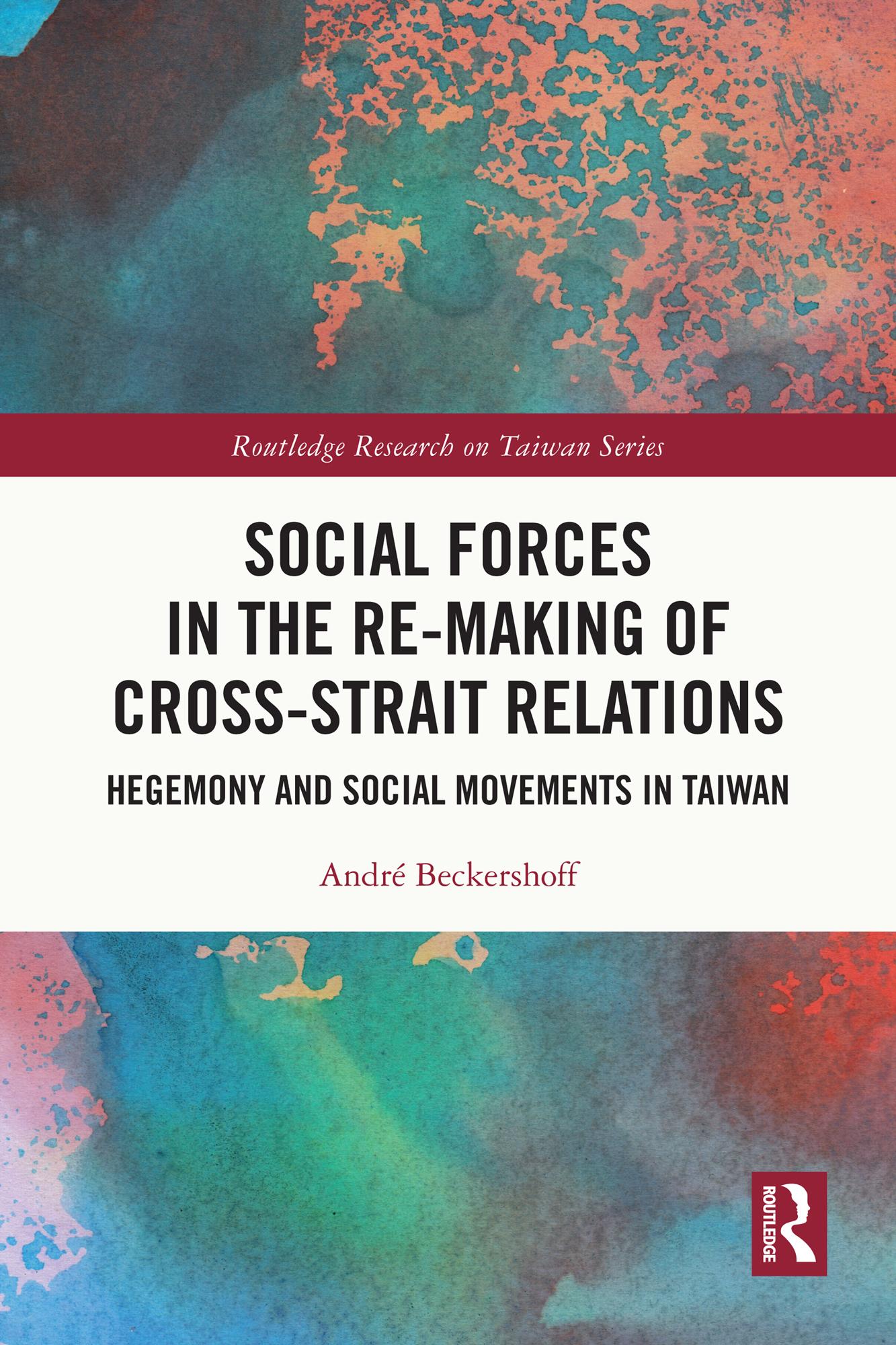
Adopting a critical political economy perspective this book sheds new light on the social and political struggles that shaped the political dynamics of Taiwan-China relations and cross-Strait rapprochement between 2008 and 2014.
Presenting a careful analysis of primary sources and interviews, the book reconstructs the historical, political and socio-economic factors that shaped Taiwan’s path to the Sunflower Movement of 2014, reinterpreting this process as a struggle over Taiwan’s role in the global economy. It challenges received wisdoms regarding the rise and fall of the rapprochement: First, the study argues that the rapprochement was not primarily driven by political elites but by capitalist conglomerates within Taiwan, which sought a normalisation of economic relations across the Taiwan Strait. Second, it finds that Taiwan’s social movements during that period were not homogeneous but rather struggled to find a common vision that could unite the critics of the rapprochement.
The insights provided not only offer a deeper understanding of Taiwan’s protest cycle between 2008 and 2014, but also serve to recontextualise the political dynamics in post-Sunflower Taiwan. As such it will appeal to students and scholars of Taiwan Studies, East Asian Politics and Social Movement Studies.
Płać wygodnie kartą, Klarną, Apple Pay lub Google Pay. Nie jesteś zadowolony? Zawsze masz 14-dniową gwarancję zwrotu pieniędzy. Więcej przeczytasz w naszych warunkach. Masz pytania? Napisz do nas na hello@memmo.org.
Memmo ułatwia naukę – gdziekolwiek jesteś na świecie. U nas znajdziesz podręczniki i sprytne narzędzia do nauki w jednym miejscu: streszczenia, quizy, podcasty i fiszki. A do tego Ted, Twój kumpel do nauki, który odpowie na wszystko, co Cię nurtuje. Ponad 50 000 studentów już tu się uczy – stworzone, byś uczył się szybciej i mniej stresował.