
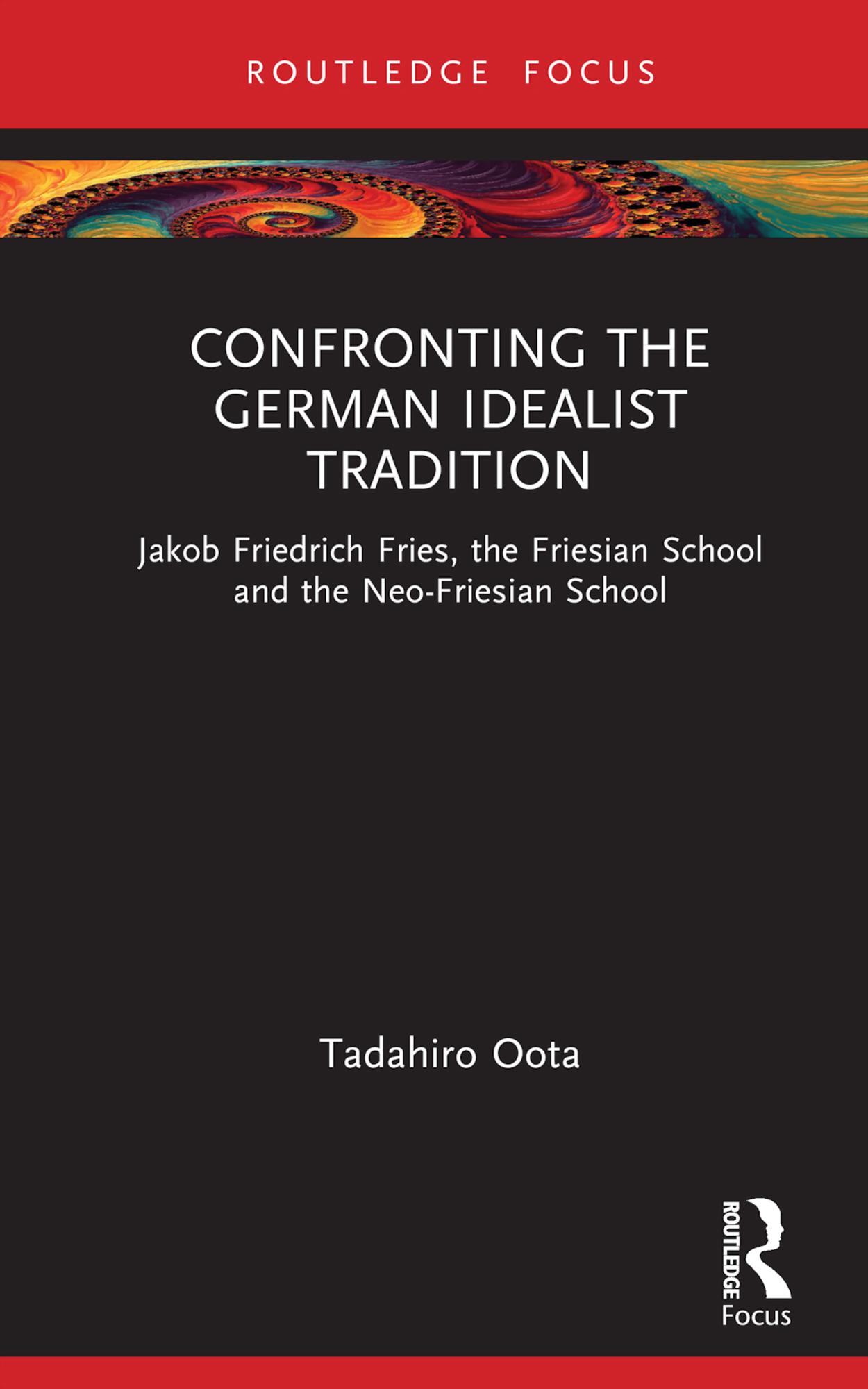
The philosophical activity of modern Germany represents a peak in the history of philosophy beginning from Thales in ancient Greece. This book attempts to reconsider the conventional image of 19th-century German philosophy. To this end, it illuminates a forgotten philosophical stream contemporaneous with so-called "German idealism."
From this perspective, this book examines the philosophy of Jakob Friedrich Fries, a philosopher contemporaneous and in confrontation with Hegel. By examining Fries’ standpoint, the book attempts to reconstruct the picture of 19th-century German philosophy. In the 19th and 20th centuries, philosophers other than Kant, Fichte, Schelling, and Hegel – especially Fries – had a significant influence on the history of philosophy, constituting an alternative genealogy to Hegel’s. One might say that the conventional history of philosophy conceals Fries’ influence. Accordingly, this book will examine Fries’ philosophy, the Friesian school established by E.F. Apelt, and the Neo-Friesian school formed by Leonard Nelson.
This approach reveals the factiousness of the history of philosophy that starts from Kant, passes through German idealism and flows into the Neo-Kantian movement. It will provide a new viewpoint from which to reconsider the history of German philosophy.
Płać wygodnie kartą, Klarną, Apple Pay lub Google Pay. Nie jesteś zadowolony? Zawsze masz 14-dniową gwarancję zwrotu pieniędzy. Więcej przeczytasz w naszych warunkach. Masz pytania? Napisz do nas na hello@memmo.org.
Memmo ułatwia naukę – gdziekolwiek jesteś na świecie. U nas znajdziesz podręczniki i sprytne narzędzia do nauki w jednym miejscu: streszczenia, quizy, podcasty i fiszki. A do tego Ted, Twój kumpel do nauki, który odpowie na wszystko, co Cię nurtuje. Ponad 50 000 studentów już tu się uczy – stworzone, byś uczył się szybciej i mniej stresował.