
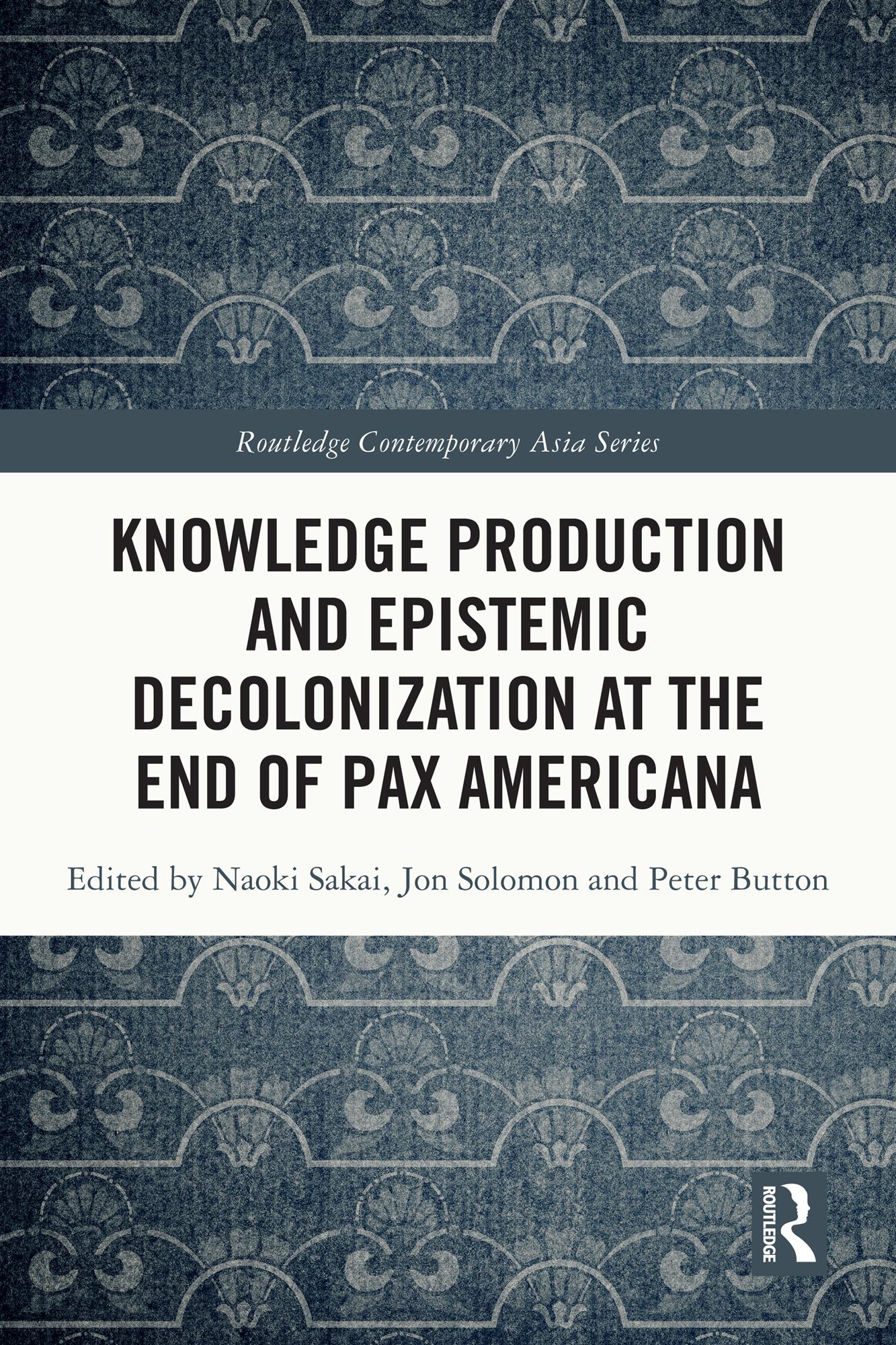
This book critically analyzes the global hegemony of the United States – a hegemony whose innovative aspect consists in articulating postcoloniality to imperial control – in relation to knowledge and knowledge production.
Through targeted case studies on the historical relationship between regional areas and the United States, the authors explore possibilities and obstacles to epistemic decolonization. By highlighting the connection between the control of work and the control of communication that has been at the core of the colonial regimes of accumulation (‘classic colonialism’), they present an entirely new form of disciplinary practice, not based on the equation of evolution and knowledge. An extensive introduction outlines the historical genealogy of Pax Americana epistemic hegemony, while individual chapters examine the implications for different regions of the world and different domains of activity, including visual culture, economy, migration, the arts, and translation.
This interdisciplinary collection will appeal to students and scholars in many fields, including Asian studies, American studies, postcolonialism, and political theory.
Płać wygodnie kartą, Klarną, Apple Pay lub Google Pay. Nie jesteś zadowolony? Zawsze masz 14-dniową gwarancję zwrotu pieniędzy. Więcej przeczytasz w naszych warunkach. Masz pytania? Napisz do nas na hello@memmo.org.
Memmo ułatwia naukę – gdziekolwiek jesteś na świecie. U nas znajdziesz podręczniki i sprytne narzędzia do nauki w jednym miejscu: streszczenia, quizy, podcasty i fiszki. A do tego Ted, Twój kumpel do nauki, który odpowie na wszystko, co Cię nurtuje. Ponad 50 000 studentów już tu się uczy – stworzone, byś uczył się szybciej i mniej stresował.