
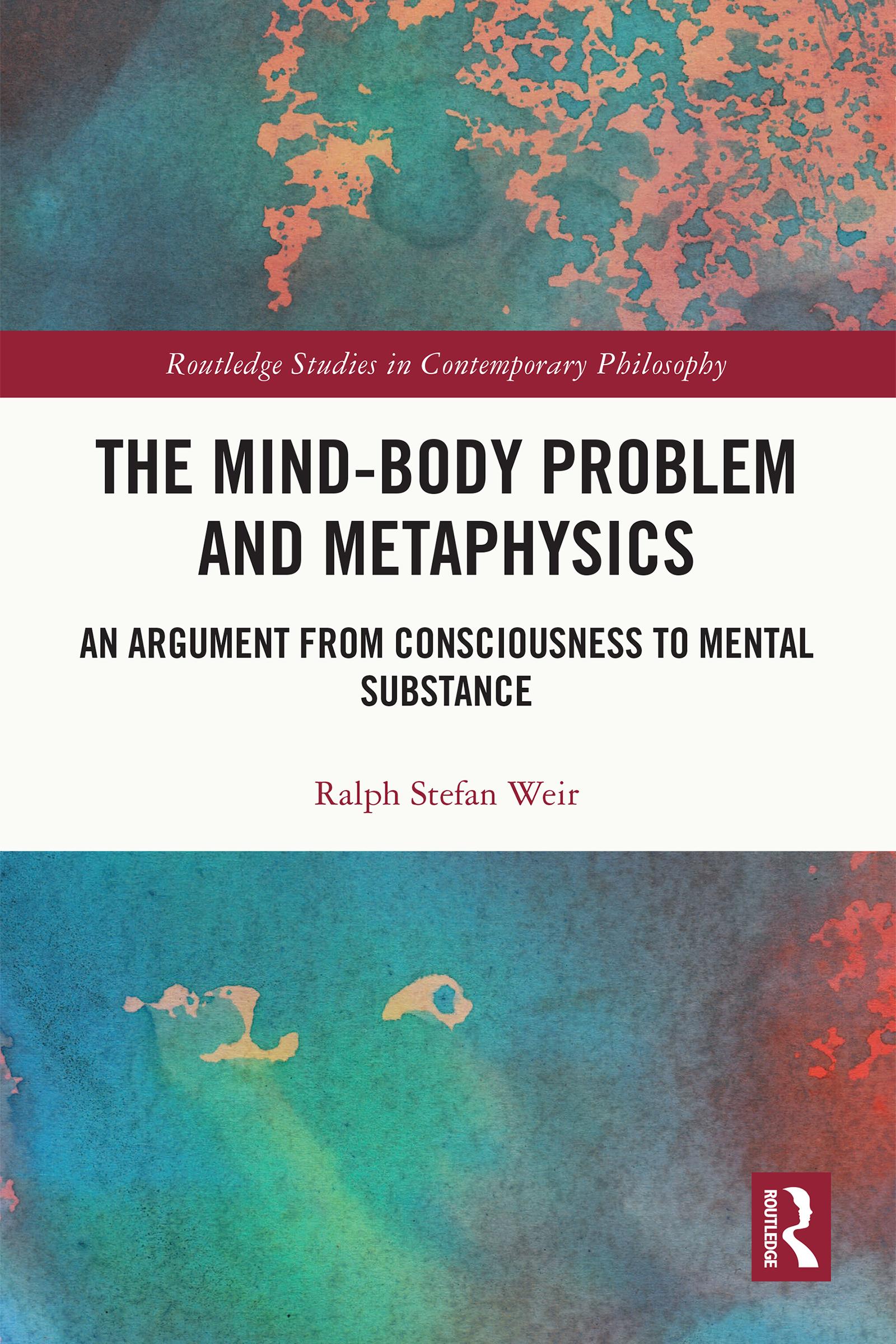
This book evaluates the widespread preference in philosophy of mind for varieties of property dualism over other alternatives to physicalism. It takes the standard motivations for property dualism as a starting point and argues that these lead directly to nonphysical substances resembling the soul of traditional metaphysics.
In the first half of the book, the author clarifies what is at issue in the choice between theories that posit nonphysical properties only and those that posit nonphysical substances. The crucial question, he argues, is whether one posits nonphysical things that satisfy an Aristotelian-Cartesian independence definition of substance: nonphysical things that could exist in the absence of anything else. In the second half, the author argues that standard and Russellian monist forms of property dualism are far less plausible than we usually suppose. Most significantly, the presuppositions of one of the leading arguments for property dualism, the conceivability argument, lead by parity of reasoning to the view that conscious subjects are nonphysical substances. He concludes that if you posit nonphysical properties in response to the mind-body problem, then you should be prepared to posit nonphysical substances as well. Mainstream philosophy of mind must take nonphysical substances far more seriously than it has done for the best part of a century.
The Mind-Body Problem and Metaphysics will be of interest to scholars and advanced students working in philosophy of mind, metaphysics, and the history of philosophy.
Płać wygodnie kartą, Klarną, Apple Pay lub Google Pay. Nie jesteś zadowolony? Zawsze masz 14-dniową gwarancję zwrotu pieniędzy. Więcej przeczytasz w naszych warunkach. Masz pytania? Napisz do nas na hello@memmo.org.
Memmo ułatwia naukę – gdziekolwiek jesteś na świecie. U nas znajdziesz podręczniki i sprytne narzędzia do nauki w jednym miejscu: streszczenia, quizy, podcasty i fiszki. A do tego Ted, Twój kumpel do nauki, który odpowie na wszystko, co Cię nurtuje. Ponad 50 000 studentów już tu się uczy – stworzone, byś uczył się szybciej i mniej stresował.