
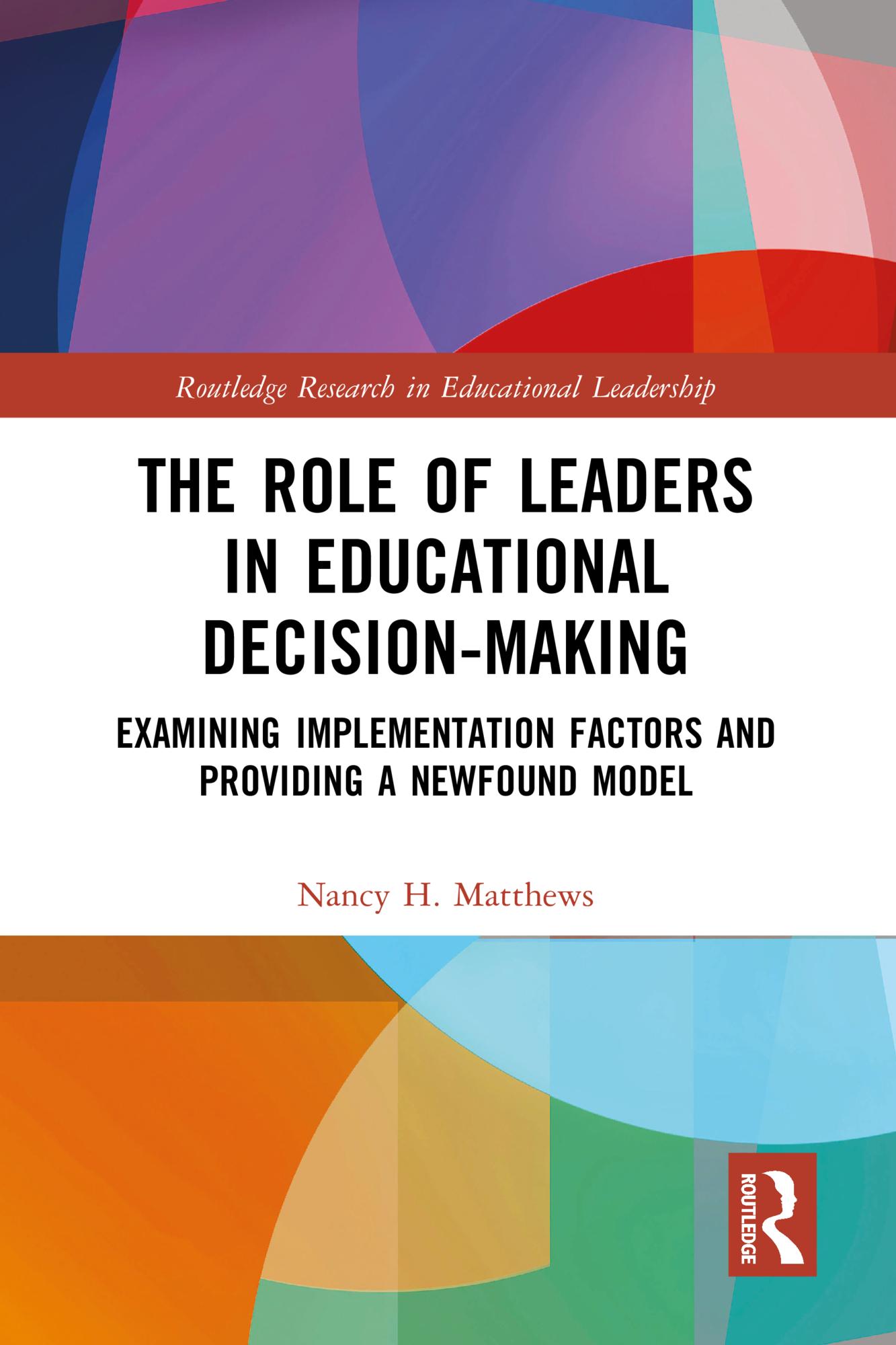
This book presents insights into the experiences and perspectives of educators in formal positions of leadership involved in decision-making processes in an education system.
Drawing on qualitative research conducted in the New Brunswick education system, the author identifies factors in the decision-making process which influence whether or not a decision is implemented. Probing what is required for effective decision-making, defined as decision-making that results in implementation, the book examines not only the role of formal educational leaders of schools (administrators) but also the roles played by district and department of education formal leaders. It uses five central themes that surfaced from research to develop a novel leadership model for ensuring implantation of decisions. These include knowledge and skill; collaboration and communication; balance of autonomy, accountability, and direction; political and bureaucratic considerations; and strong moral imperative. The newfound model is presented in the form of antecedent steps to the decision-making process.
Extending the literature by offering new, empirically grounded insights for influencing the likelihood of implementation following a decision-making process, it will appeal to leaders, scholars, and students of educational leadership and reform.
Płać wygodnie kartą, Klarną, Apple Pay lub Google Pay. Nie jesteś zadowolony? Zawsze masz 14-dniową gwarancję zwrotu pieniędzy. Więcej przeczytasz w naszych warunkach. Masz pytania? Napisz do nas na hello@memmo.org.
Memmo ułatwia naukę – gdziekolwiek jesteś na świecie. U nas znajdziesz podręczniki i sprytne narzędzia do nauki w jednym miejscu: streszczenia, quizy, podcasty i fiszki. A do tego Ted, Twój kumpel do nauki, który odpowie na wszystko, co Cię nurtuje. Ponad 50 000 studentów już tu się uczy – stworzone, byś uczył się szybciej i mniej stresował.