
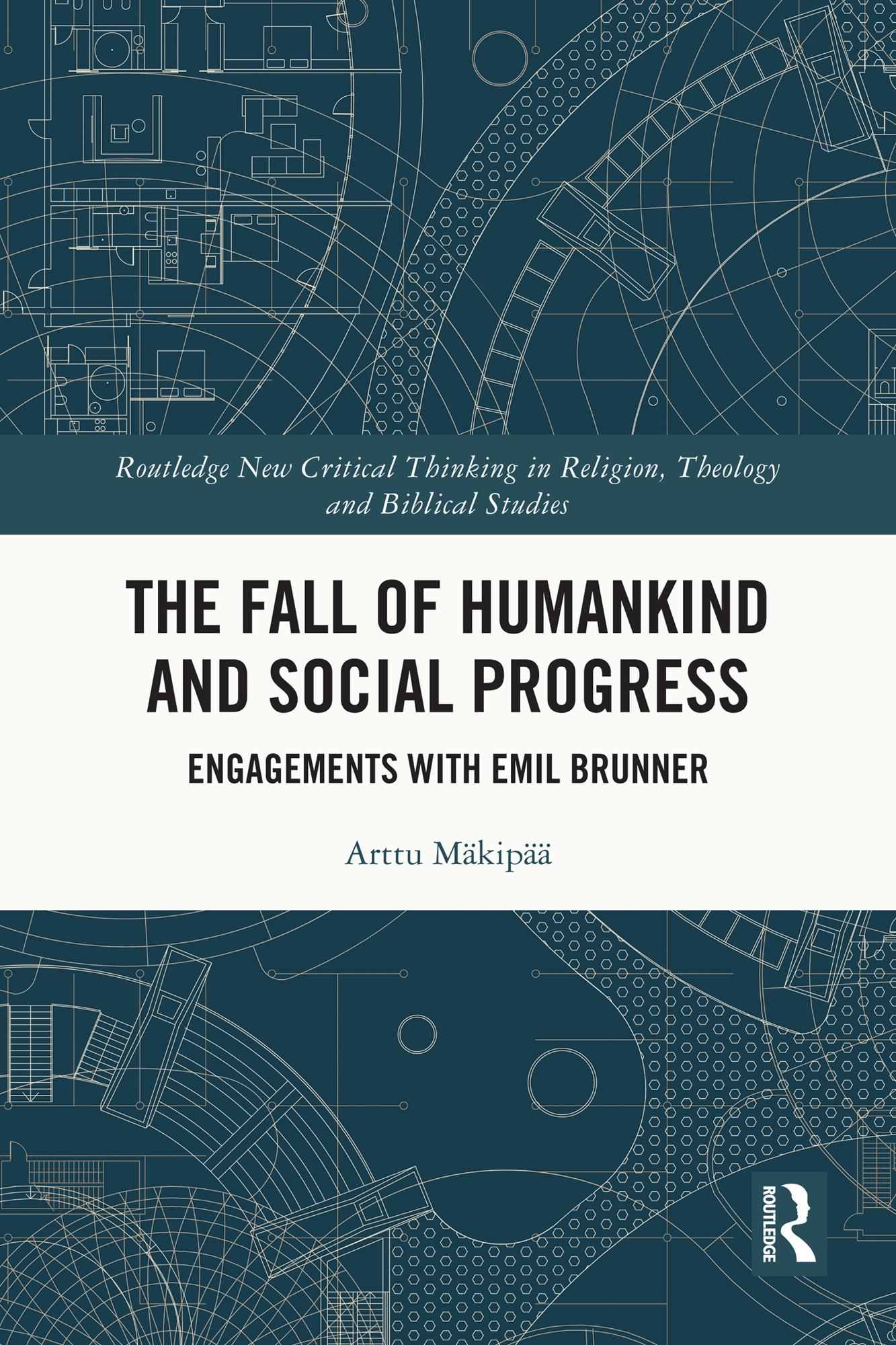
This book investigates the link between human capabilities and the preconditions for social progress through an engagement with the theological anthropology of Swiss theologian Emil Brunner (1889–1966). It places Brunner’s thought in dialogue with selected contributors from the contemporary social sciences, examining approaches from economics, sociology and philosophy as put forward by Gary S. Becker, Christian Smith and Martha Nussbaum. This dialogic format helps to crystallise both agreements and differences and thus facilitate greater understanding between theology and other disciplines. Questions explored in the discussion relate to the emergence of human nature (the person) and the capabilities human beings possess, as well as how these develop in a social context. The author focuses in particular on the impact of sin (the Fall) and considers the mixed blessings of economic progress. By providing pointers on how to bring back the human person in social disciplines, the book hopes to contribute to improved understanding of the ethical dimension of social progress and human flourishing. It will be of particular interest to scholars of analytic and systematic theology, but also scholars from economics and social sciences with openness to theological engagement.
Płać wygodnie kartą, Klarną, Apple Pay lub Google Pay. Nie jesteś zadowolony? Zawsze masz 14-dniową gwarancję zwrotu pieniędzy. Więcej przeczytasz w naszych warunkach. Masz pytania? Napisz do nas na hello@memmo.org.
Memmo ułatwia naukę – gdziekolwiek jesteś na świecie. U nas znajdziesz podręczniki i sprytne narzędzia do nauki w jednym miejscu: streszczenia, quizy, podcasty i fiszki. A do tego Ted, Twój kumpel do nauki, który odpowie na wszystko, co Cię nurtuje. Ponad 50 000 studentów już tu się uczy – stworzone, byś uczył się szybciej i mniej stresował.