
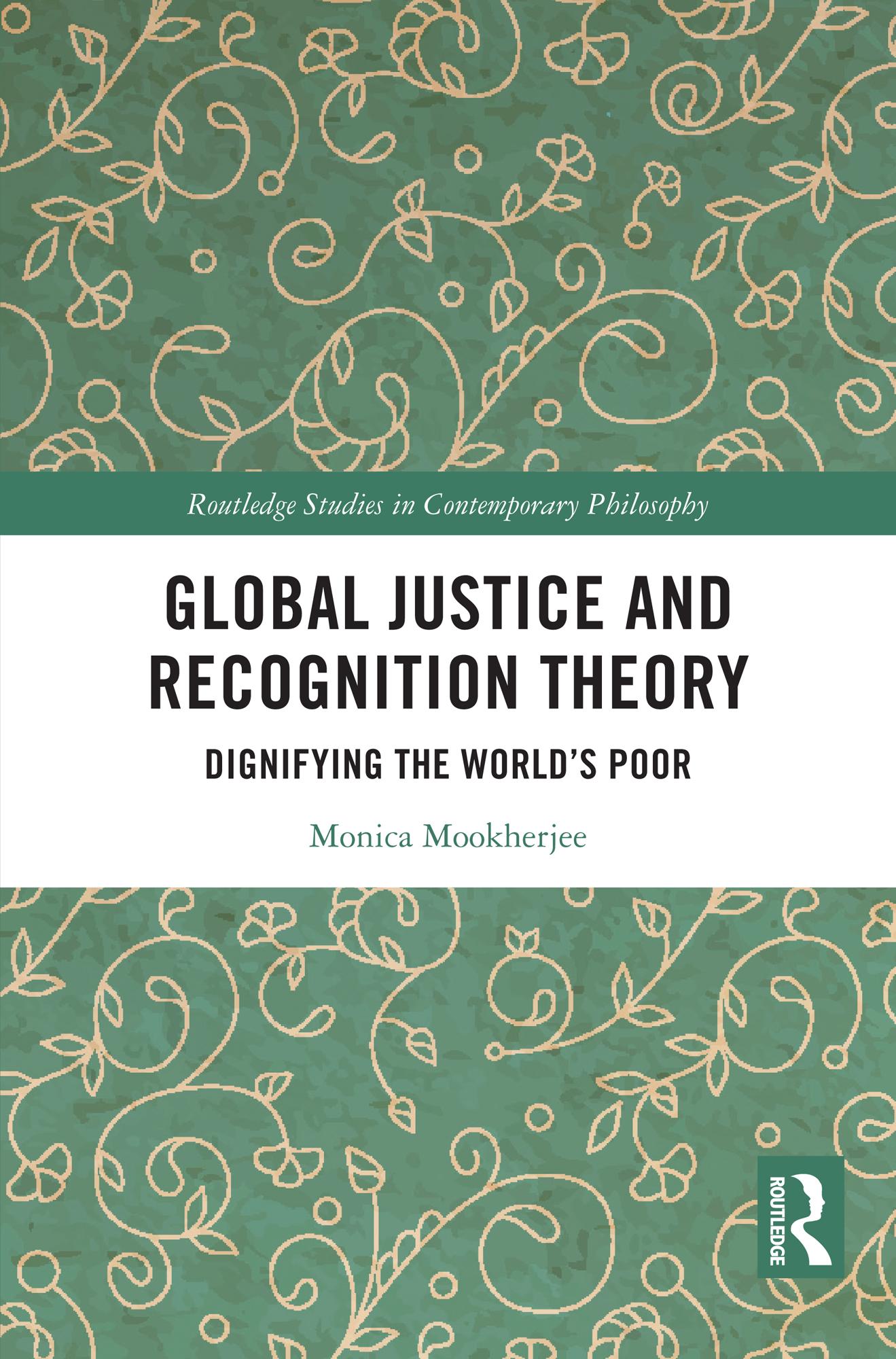
In the light of intense international focus on ongoing forms of world poverty, this book examines the potential of the concept of recognition in contemporary political philosophy to respond morally to this dire condition.
This book uses recognition theories to develop a two-tiered response to the problem of global poverty. First, it highlights non-degradation, non-humiliation and the avoidance of social suffering as essential components to the agency of the very poor. This runs counter to liberal arguments that focus only on the deficit of basic material interests. Second, even if universal conditions of agency are met, many of the world’s extreme poor may still suffer domination. The book argues that empowering the world’s poor to resist domination is an essential response to global poverty. By conceiving poverty in terms of agency and empowerment, this book highlights the transnational relevance of recognition theory to one of the most crucial problems affecting a rapidly globalising world.
Global Justice and Recognition Theory will be of interest to scholars and advanced students working in social and political philosophy, political theory, and global justice.
Płać wygodnie kartą, Klarną, Apple Pay lub Google Pay. Nie jesteś zadowolony? Zawsze masz 14-dniową gwarancję zwrotu pieniędzy. Więcej przeczytasz w naszych warunkach. Masz pytania? Napisz do nas na hello@memmo.org.
Memmo ułatwia naukę – gdziekolwiek jesteś na świecie. U nas znajdziesz podręczniki i sprytne narzędzia do nauki w jednym miejscu: streszczenia, quizy, podcasty i fiszki. A do tego Ted, Twój kumpel do nauki, który odpowie na wszystko, co Cię nurtuje. Ponad 50 000 studentów już tu się uczy – stworzone, byś uczył się szybciej i mniej stresował.