
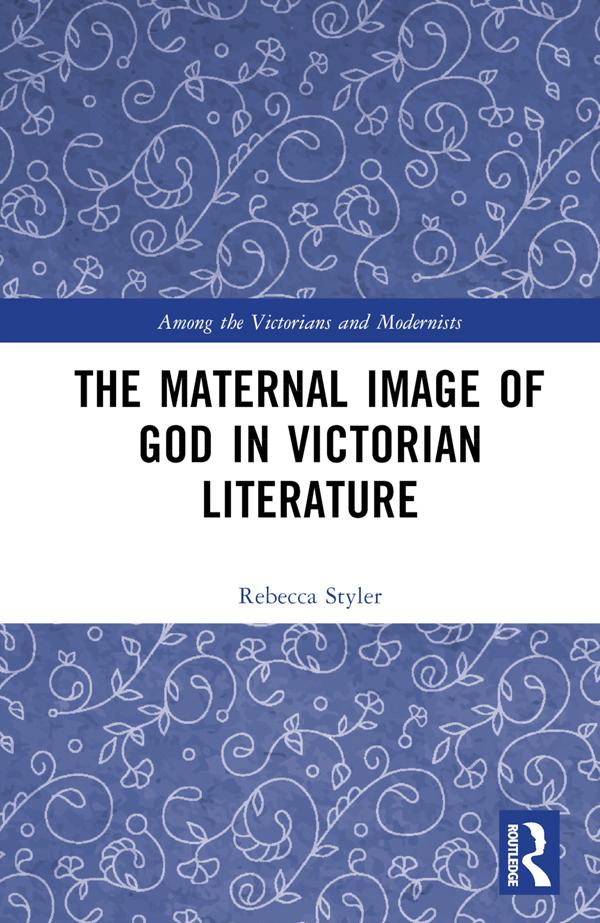
This book is the study of a religious metaphor: the idea of God as a mother, in British and US literature 1850–1915. It uncovers a tradition of writers for whom divine motherhood embodied ideals felt to be missing from the orthodox masculine deity. Elizabeth Gaskell, Josephine Butler, George Macdonald, Frances Hodgson Burnett and Charlotte Perkins Gilman independently reworked their inherited faith to create a new symbol that better met their religious needs, based on ideal Victorian notions of motherhood and ‘Mother Nature’. Divine motherhood signified compassion, universal salvation and a realised gospel of social reform led primarily by women to establish sympathetic community. Connected to Victorian feminism, it gave authority to women’s voices and to ‘feminine’ cultural values in the public sphere. It represented divine immanence within the world, often providing the grounds for an ecological ethic, including human–animal fellowship.
With reference also to writers including Charlotte Brontë, Anna Jameson, Charles Kingsley, Elizabeth Charles, Theodore Parker, Harriet Beecher Stowe, Mary Baker Eddy and authors of literary utopias, this book shows the extent of maternal theology in Victorian thought and explores its cultural roots. The book reveals a new way in which Victorian writers creatively negotiated between religious tradition and modernity.
Płać wygodnie kartą, Klarną, Apple Pay lub Google Pay. Nie jesteś zadowolony? Zawsze masz 14-dniową gwarancję zwrotu pieniędzy. Więcej przeczytasz w naszych warunkach. Masz pytania? Napisz do nas na hello@memmo.org.
Memmo ułatwia naukę – gdziekolwiek jesteś na świecie. U nas znajdziesz podręczniki i sprytne narzędzia do nauki w jednym miejscu: streszczenia, quizy, podcasty i fiszki. A do tego Ted, Twój kumpel do nauki, który odpowie na wszystko, co Cię nurtuje. Ponad 50 000 studentów już tu się uczy – stworzone, byś uczył się szybciej i mniej stresował.