
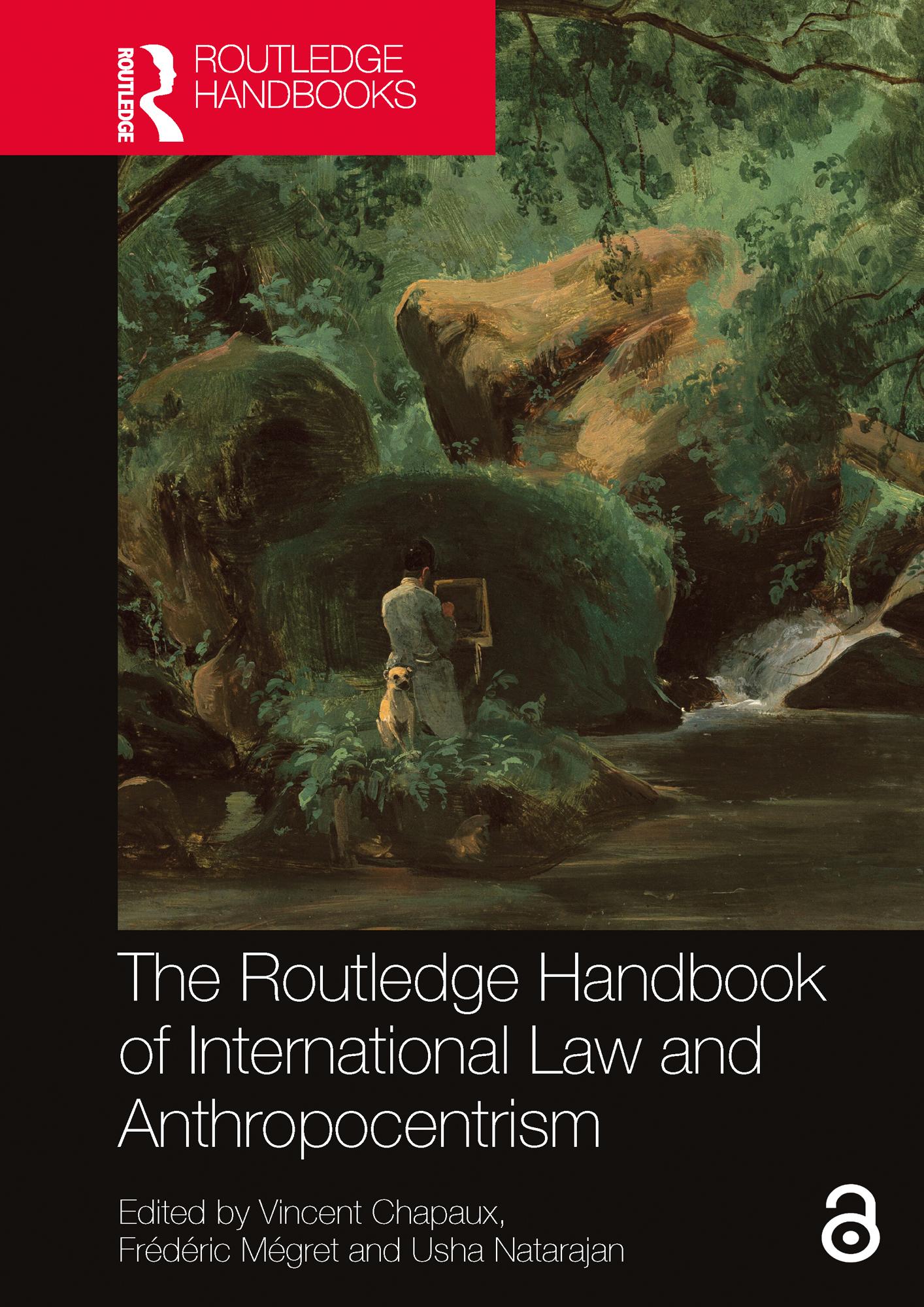
This handbook explores, contextualises and critiques the relationship between anthropocentrism – the idea that human beings are socially and politically at the centre of the cosmos – and international law.
While the critical study of anthropocentrism has been under way for several years, it has either focused on specific subfields of international law or emanated from two distinctive strands inspired by the animal rights movement and deep ecology. This handbook offers a broader study of anthropocentrism in international law as a global legal system and academic field. It assesses the extent to which current international law is anthropocentric, contextualises that claim in relation to broader critical theories of anthropocentrism, and explores alternative ways for international law to organise relations between humans and other living and non-living entities.
This book will interest international lawyers, environmental lawyers, legal theorists, social theorists, and those concerned with the philosophy and ethics of ecology and the non-human realms.
Chapter 6 of this book is freely available as a downloadable Open Access PDF at http://www.taylorfrancis.com under a Creative Commons Attribution-Non Commercial-No Derivatives (CC-BY-NC-ND) 4.0 license. Funded by University of Gothenburg and Lund University.
Płać wygodnie kartą, Klarną, Apple Pay lub Google Pay. Nie jesteś zadowolony? Zawsze masz 14-dniową gwarancję zwrotu pieniędzy. Więcej przeczytasz w naszych warunkach. Masz pytania? Napisz do nas na hello@memmo.org.
Memmo ułatwia naukę – gdziekolwiek jesteś na świecie. U nas znajdziesz podręczniki i sprytne narzędzia do nauki w jednym miejscu: streszczenia, quizy, podcasty i fiszki. A do tego Ted, Twój kumpel do nauki, który odpowie na wszystko, co Cię nurtuje. Ponad 50 000 studentów już tu się uczy – stworzone, byś uczył się szybciej i mniej stresował.