
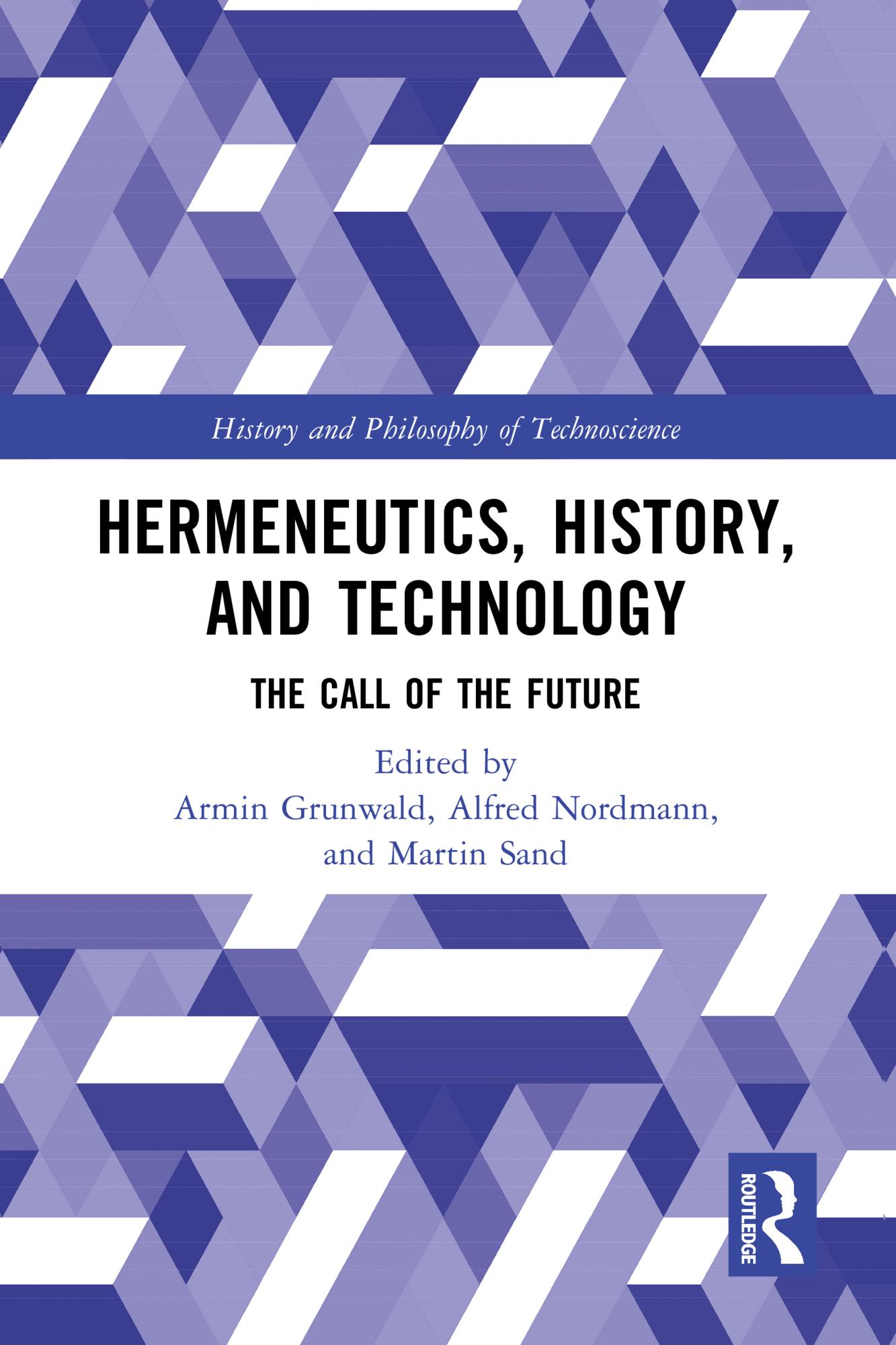
For better and worse, the future is often conceived in technological terms. Technology is supposed to meet the challenge of climate change or resource depletion. And when one asks about the world in 20 or 100 years, answers typically revolve around AI, genome editing, or geoengineering.
There is great demand to speculate about the future of work, the future of mobility, Industry 4.0, and Humanity 2.0. The humanities and social sciences, science studies, and technology assessment respond to this demand but need to seek out a responsible way of taking the future into account. This collection of papers, interviews, debates grew out of disagreements about technological futures, speculative ethics, plausible scenarios, anticipatory governance, and proactionary and precautionary approaches. It proposes Hermeneutic Technology Assessment as a way of understanding ourselves through our ways of envisioning the future. At the same time, a hermeneutic understanding of technological projects and prototypes allows for normative assessments of their promises.
Is the future an object of design? This question can bring together and divide policy makers, STS scholars, social theorists, and philosophers of history, and it will interest also the scientists and engineers who labor under the demand to deliver that future.
Płać wygodnie kartą, Klarną, Apple Pay lub Google Pay. Nie jesteś zadowolony? Zawsze masz 14-dniową gwarancję zwrotu pieniędzy. Więcej przeczytasz w naszych warunkach. Masz pytania? Napisz do nas na hello@memmo.org.
Memmo ułatwia naukę – gdziekolwiek jesteś na świecie. U nas znajdziesz podręczniki i sprytne narzędzia do nauki w jednym miejscu: streszczenia, quizy, podcasty i fiszki. A do tego Ted, Twój kumpel do nauki, który odpowie na wszystko, co Cię nurtuje. Ponad 50 000 studentów już tu się uczy – stworzone, byś uczył się szybciej i mniej stresował.