
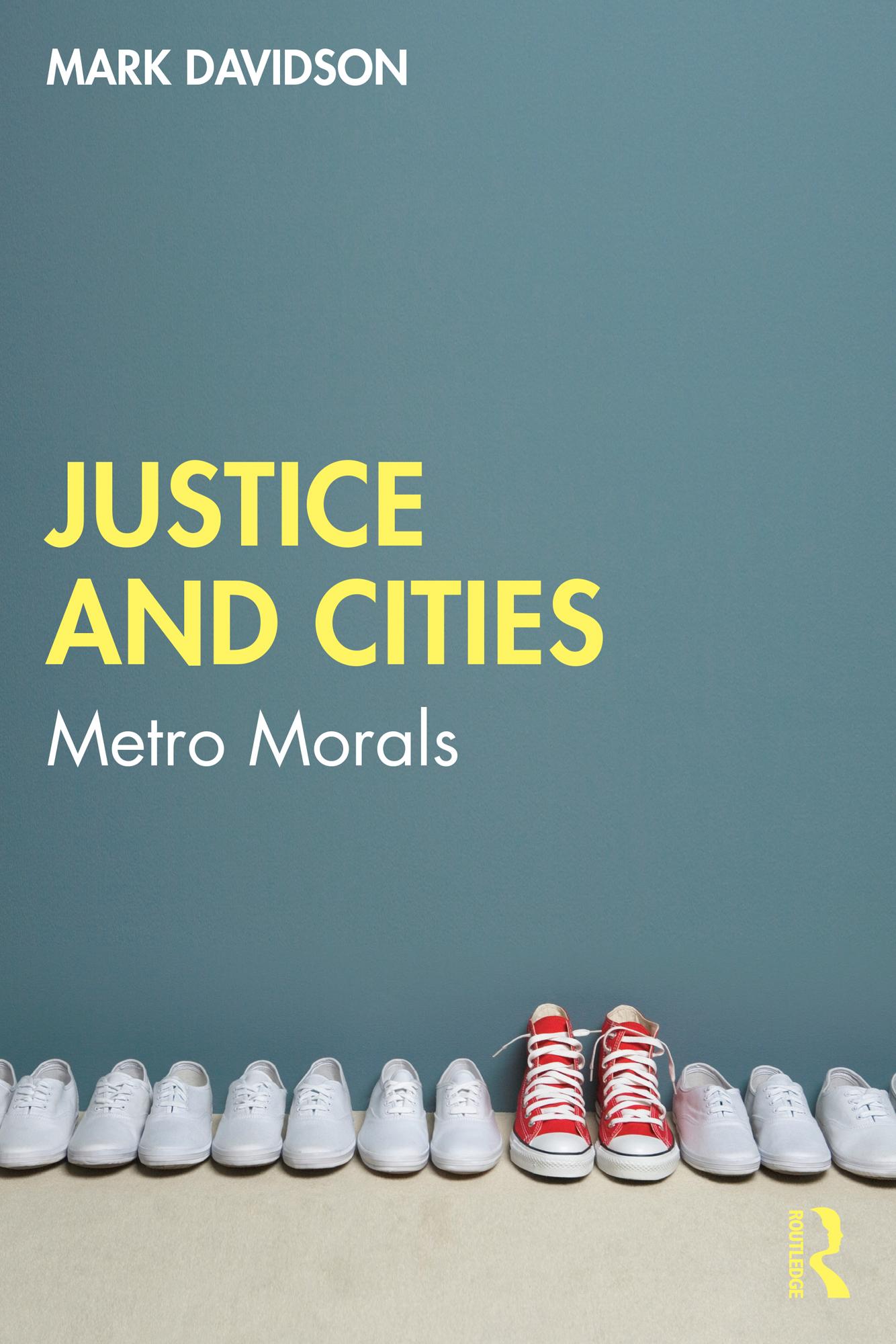
This book explores different theories of justice and explains how these connect to broader geographical questions and inform our understanding of urban problems.
Since philosophers like Socrates debated in the ancient agora, cities have prompted arguments about the best ways to live together. Cities have also produced some of the most vexing moral problems, including the critical question of what obligations we have to people we neither know nor affiliate with. The first part of this book outlines the most well-developed answers to these questions: the justice theories of Utilitarianism, Libertarianism, Liberalism, Marxism, Communitarianism, Conservativism, and recent "post" critiques. Within each theory, we find a set of geographical propensities that shape the ways purveyors of the theories see the city and its moral problems. The central thesis of the book is therefore that competing moral theories have distinct geographical concerns and perspectives, and that these propensities often condition how the city and its injustices are understood. The second part of the book features three studies of contemporary urban problems – gentrification, segregation, and (un)affordability – to demonstrate how predominant justice theories generate distinctive moral and geographical interpretations.
This book therefore serves as an urbanist’s guide to justice theory, written for undergraduates and postgraduates studying human geography, urban and municipal planning, urban theory and urban politics, sociology, and politics and government.
Płać wygodnie kartą, Klarną, Apple Pay lub Google Pay. Nie jesteś zadowolony? Zawsze masz 14-dniową gwarancję zwrotu pieniędzy. Więcej przeczytasz w naszych warunkach. Masz pytania? Napisz do nas na hello@memmo.org.
Memmo ułatwia naukę – gdziekolwiek jesteś na świecie. U nas znajdziesz podręczniki i sprytne narzędzia do nauki w jednym miejscu: streszczenia, quizy, podcasty i fiszki. A do tego Ted, Twój kumpel do nauki, który odpowie na wszystko, co Cię nurtuje. Ponad 50 000 studentów już tu się uczy – stworzone, byś uczył się szybciej i mniej stresował.