
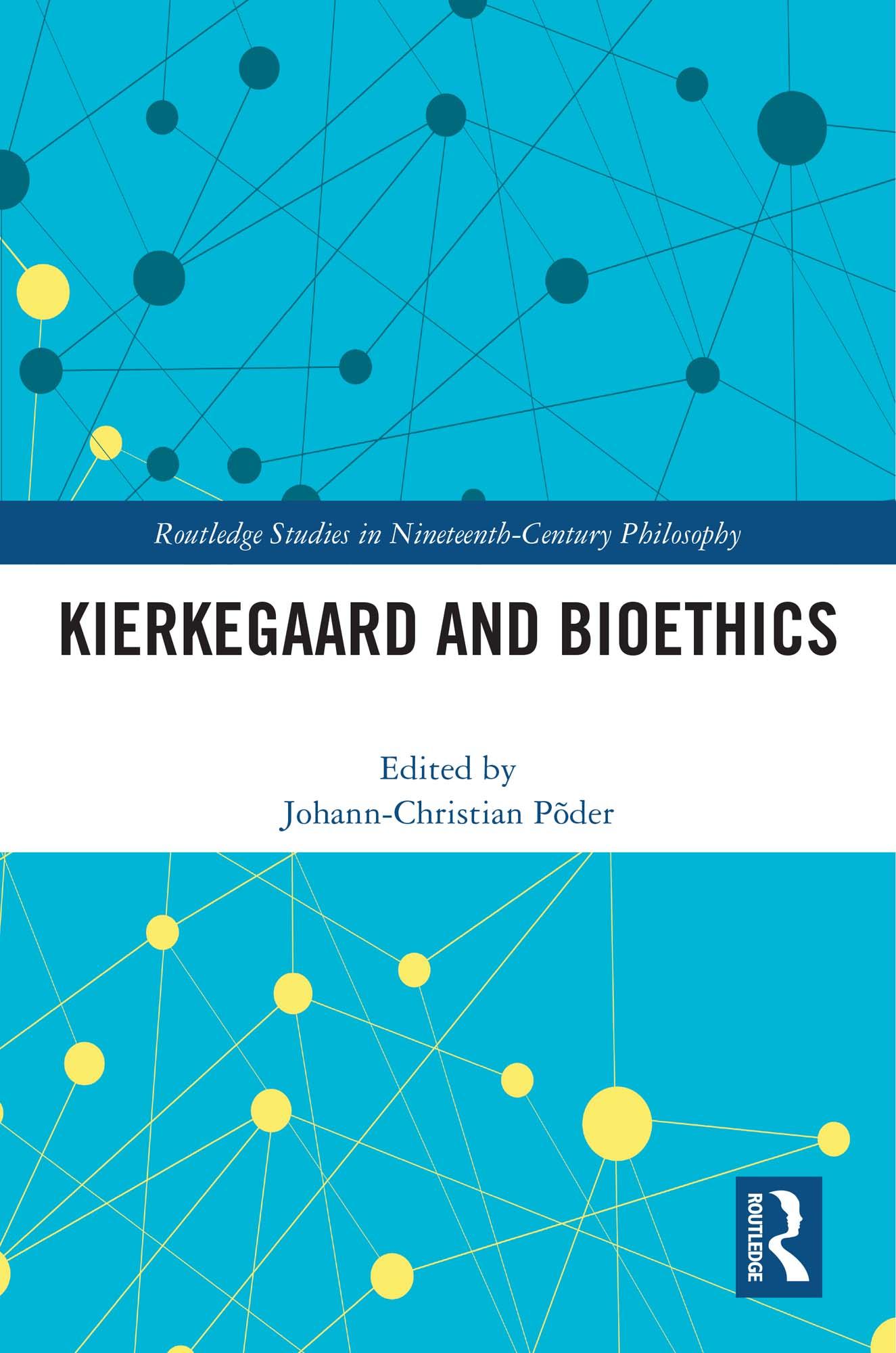
This book explores Kierkegaard’s significance for bioethics and discusses how Kierkegaard’s existential thinking can enrich and advance current bioethical debates.
A bioethics inspired by Kierkegaard is not focused primarily on ethical codes, principles, or cases, but on the existential 'how' of our medical situation. Such a perspective focuses on the formative ethical experiences that an individual can have in relation to oneself and others when dealing with medical decisions, interventions, and information. The chapters in this volume explore questions like: What happens when medicine and bioethics meet Kierkegaard? How might Kierkegaard’s writings and thoughts contribute to contemporary issues in medicine? Do we need an existential turn in bioethics? They offer theoretical reflections on how Kierkegaard’s existential thinking might contribute to bioethics and apply Kierkegaardian concepts to debates on health and disease, predictive medicine and enhancement, mental illness and trauma, COVID-19, and gender identity.
Kierkegaard and Bioethics will be of interest to scholars and advanced students working on Kierkegaard, bioethics, moral philosophy, existential ethics, religious ethics, and the medical humanities.
Płać wygodnie kartą, Klarną, Apple Pay lub Google Pay. Nie jesteś zadowolony? Zawsze masz 14-dniową gwarancję zwrotu pieniędzy. Więcej przeczytasz w naszych warunkach. Masz pytania? Napisz do nas na hello@memmo.org.
Memmo ułatwia naukę – gdziekolwiek jesteś na świecie. U nas znajdziesz podręczniki i sprytne narzędzia do nauki w jednym miejscu: streszczenia, quizy, podcasty i fiszki. A do tego Ted, Twój kumpel do nauki, który odpowie na wszystko, co Cię nurtuje. Ponad 50 000 studentów już tu się uczy – stworzone, byś uczył się szybciej i mniej stresował.