
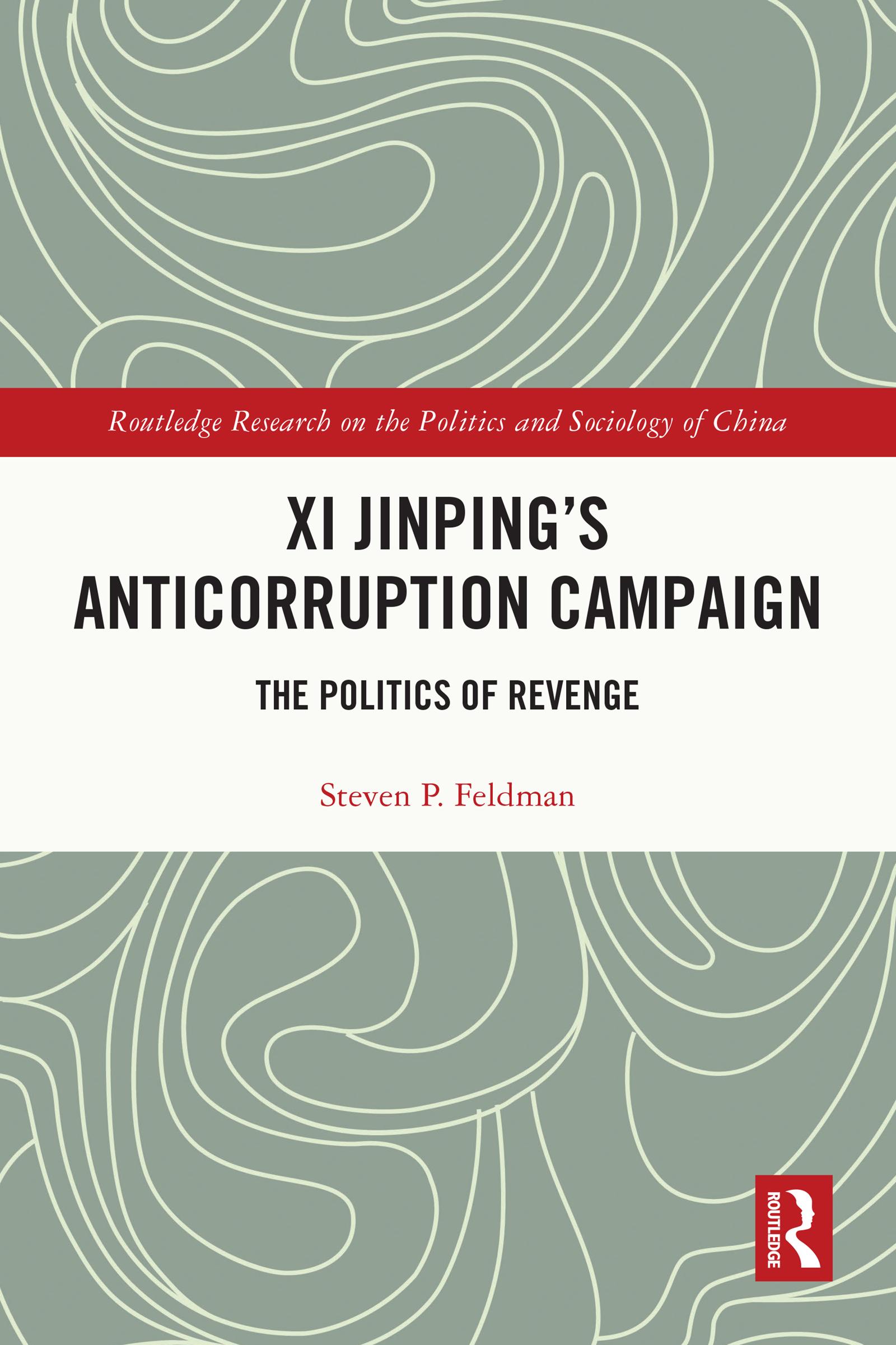
Through empirical analysis and conceptual development, this book analyzes the political psychology of Xi Jinping's Anticorruption Campaign and its role in the Chinese political system.
Using Nietzsche’s concept of ressentiment and data collected from direct fieldwork, the book analyzes the Chinese Communist Party (CCP) dictatorship, revealing that it is prone to extremes, through ideology or corruption, and highlights how the Party’s attempts to address one extreme only leads to the rise of another. In turn, it examines the Anticorruption Campaign in multiple ways including its use to increase the role of ideology in Chinese society, how it functions to concentrate Xi's power, its cultural form as a status reversal ritual, and its continuity with previous communist campaigns and ancient Chinese political traditions. Through each of these analyses, the book identifies crucial mechanisms through which the CCP maintains power through interrelated policies, actions, and their emotional effects.
Providing a vital understanding of the CCP, this book will be an invaluable resource to students and scholars of Chinese politics, as well as diplomats and policymakers on China.
Płać wygodnie kartą, Klarną, Apple Pay lub Google Pay. Nie jesteś zadowolony? Zawsze masz 14-dniową gwarancję zwrotu pieniędzy. Więcej przeczytasz w naszych warunkach. Masz pytania? Napisz do nas na hello@memmo.org.
Memmo ułatwia naukę – gdziekolwiek jesteś na świecie. U nas znajdziesz podręczniki i sprytne narzędzia do nauki w jednym miejscu: streszczenia, quizy, podcasty i fiszki. A do tego Ted, Twój kumpel do nauki, który odpowie na wszystko, co Cię nurtuje. Ponad 50 000 studentów już tu się uczy – stworzone, byś uczył się szybciej i mniej stresował.