
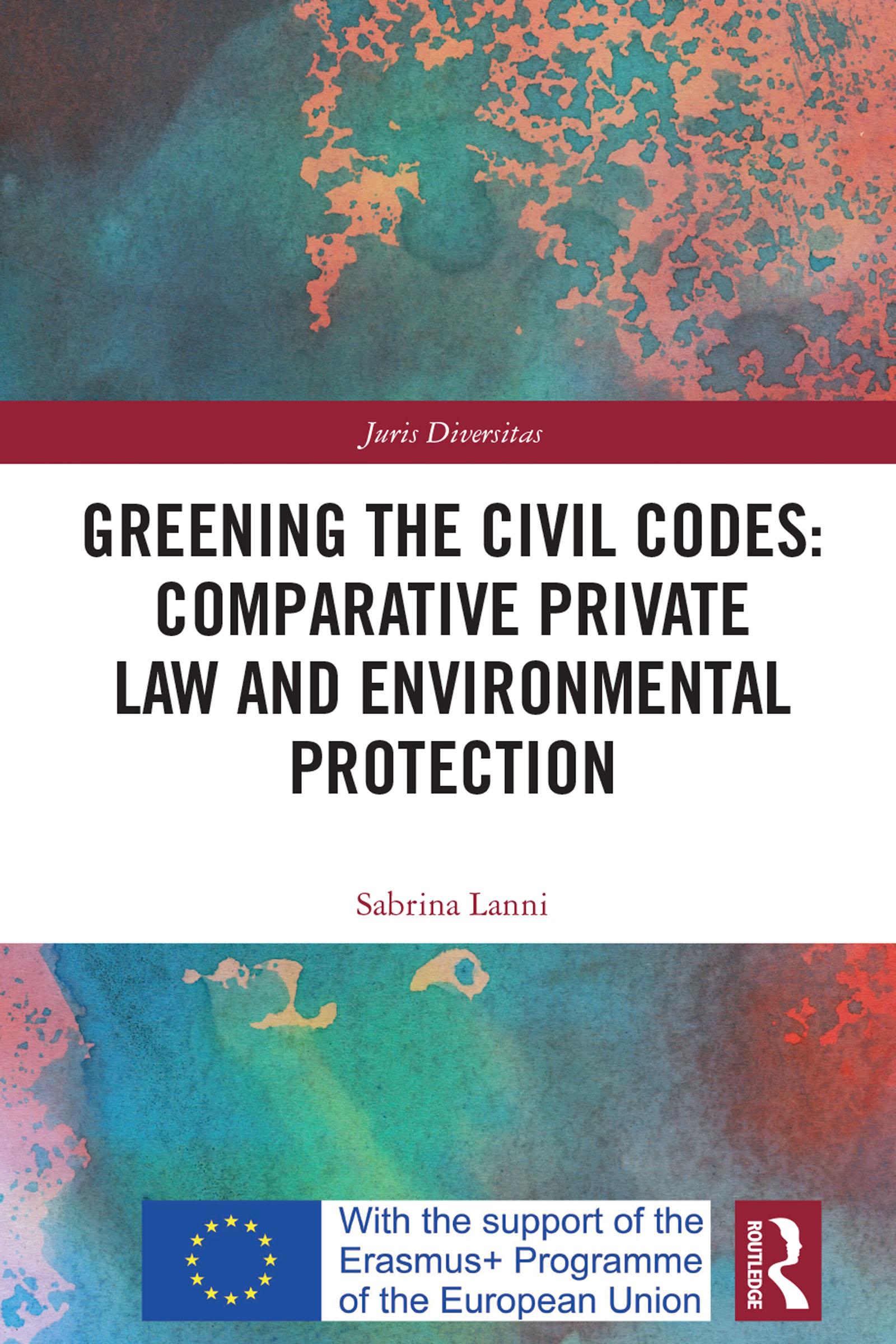
This book examines the greening of civil codes from a comparative perspective. It takes into account the increasing requirements of supranational rules, which favour measures to reduce global warming and its negative environmental impacts; it discusses the necessity to expand distributive justice given the current ecological emergency; and it reflects on which private law legal tools potentially may be employed to defend nature’s interests. The work fills a gap in the growing literature on developing rights of nature and ecosystem in transnational law. While the focus is on the environmental issues pertaining to the new civil codes and new projects of civil codes, the book promotes interdisciplinary research applicable to a range of environmental and natural resources–focused courses across the social sciences, especially those related to comparative law systems, legal anthropology, legal traditions in the world, political science and international relations.
Płać wygodnie kartą, Klarną, Apple Pay lub Google Pay. Nie jesteś zadowolony? Zawsze masz 14-dniową gwarancję zwrotu pieniędzy. Więcej przeczytasz w naszych warunkach. Masz pytania? Napisz do nas na hello@memmo.org.
Memmo ułatwia naukę – gdziekolwiek jesteś na świecie. U nas znajdziesz podręczniki i sprytne narzędzia do nauki w jednym miejscu: streszczenia, quizy, podcasty i fiszki. A do tego Ted, Twój kumpel do nauki, który odpowie na wszystko, co Cię nurtuje. Ponad 50 000 studentów już tu się uczy – stworzone, byś uczył się szybciej i mniej stresował.