
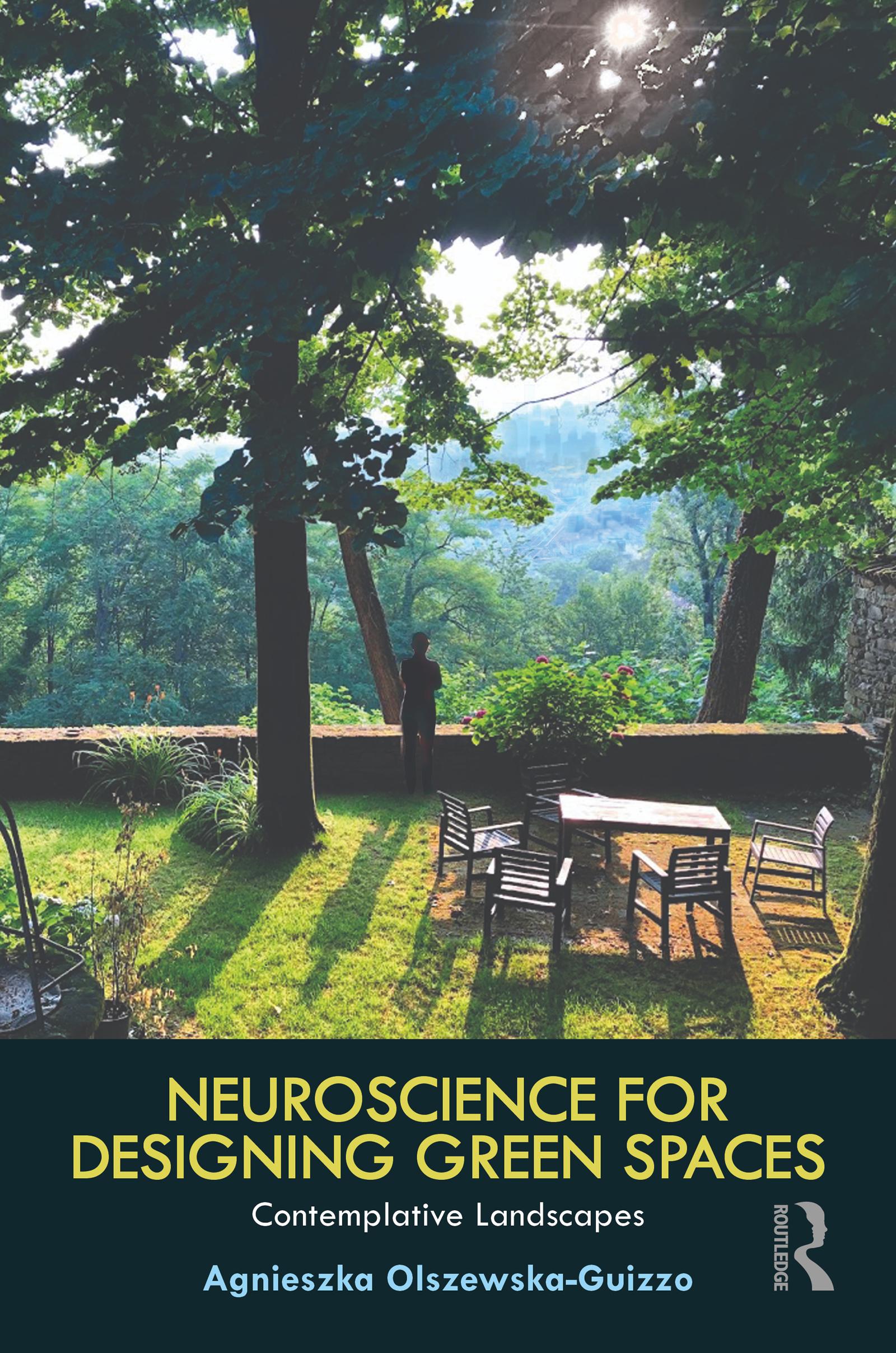
Urban parks and gardens are where people go to reconnect with nature and destress. But do they all provide the same benefits or are some better than others? What specific attributes set some green spaces apart? Can we objectively measure their impact on mental health and well-being? If so, how do we use this evidence to guide the design of mentally healthy cities?
The Contemplative Landscape Model unveils the path to answer these questions. Rooted in landscape architecture and neuroscience, this innovative concept is described for the first time in an extended format, offering a deep dive into contemplative design and the science behind it. In the face of the global mental health crisis, and increasing disconnection from nature, design strategies for creating healthier urban environments are what our cities so sorely need.
This book delves into the neuroscience behind contemplative landscapes, their key spatial characteristics, and practical applications of the Contemplative Landscape Model through case studies from around the world. Landscape architects, urban planners, students, land managers, and anyone interested in unlocking the healing power of landscapes will find inspiration here.
Płać wygodnie kartą, Klarną, Apple Pay lub Google Pay. Nie jesteś zadowolony? Zawsze masz 14-dniową gwarancję zwrotu pieniędzy. Więcej przeczytasz w naszych warunkach. Masz pytania? Napisz do nas na hello@memmo.org.
Memmo ułatwia naukę – gdziekolwiek jesteś na świecie. U nas znajdziesz podręczniki i sprytne narzędzia do nauki w jednym miejscu: streszczenia, quizy, podcasty i fiszki. A do tego Ted, Twój kumpel do nauki, który odpowie na wszystko, co Cię nurtuje. Ponad 50 000 studentów już tu się uczy – stworzone, byś uczył się szybciej i mniej stresował.