
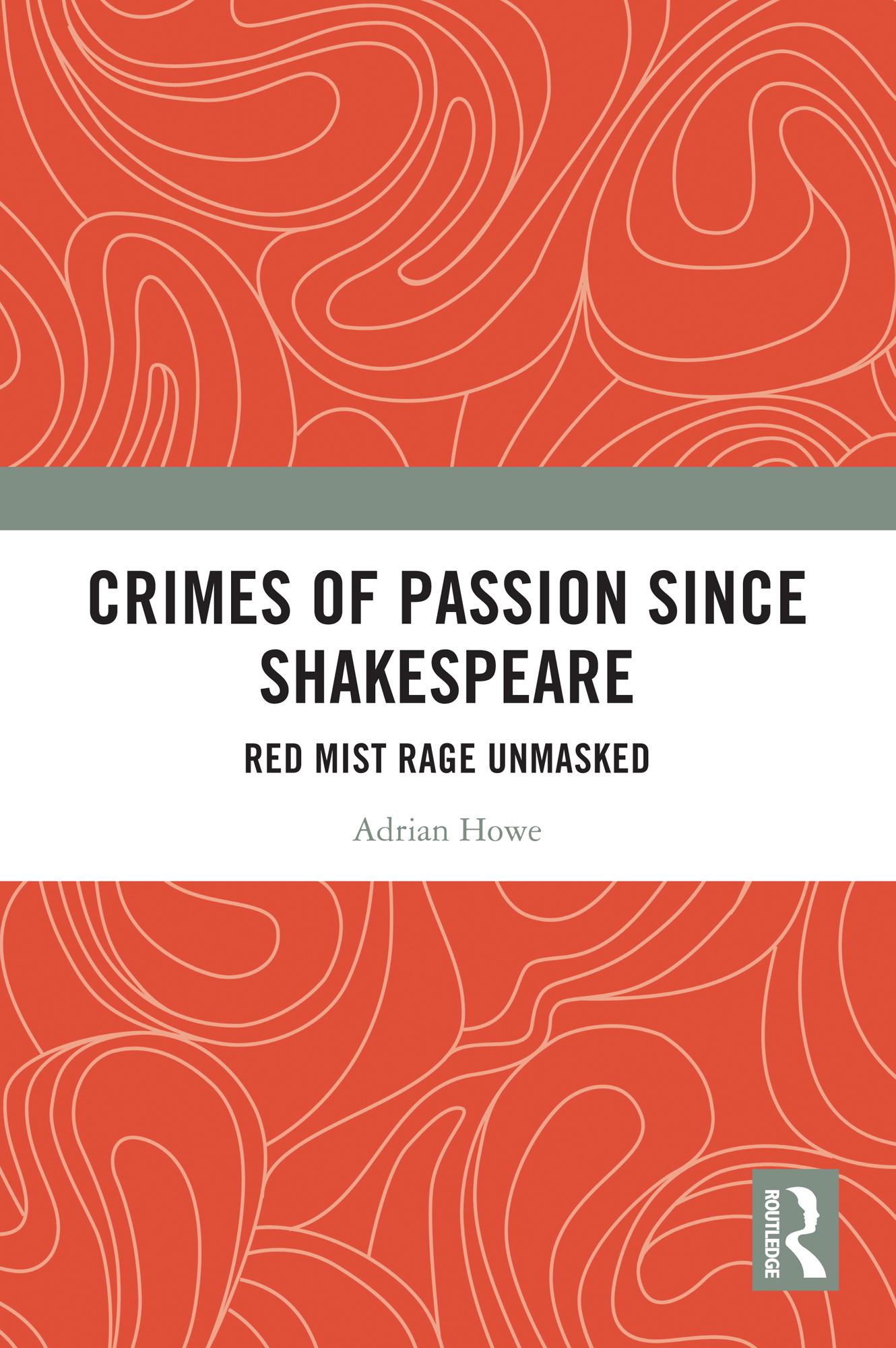
Bringing key Shakespeare texts into dialogue with feminist socio-legal research, this book investigates the notion of a ‘crime of passion’ – indicatively, wife-killing.
Its key concern is to bring attention to a cultural and legal revolution widely overlooked even in the law field where it occurred. In 2009, the English Parliament passed a controversial law abolishing the defence of provocation. Explaining the new law, reformers said that this so-called ‘heat of passion’ defence had allowed men to get away with murder by blaming the victim. Abolishing it in cases of alleged ‘infidelity’ would ‘end the culture of excuses’. Unpacking what was at stake in the reformers’ revolutionary challenge to the English law of murder’s age-old concession to ‘human frailty’ in ‘red mist’ rage cases, this book charts passion’s progress in wife-killing cases over the centuries. It commences in the early modern era when jurists were busy distinguishing murder from manslaughter and, contemporaneously, Shakespeare set about querying culturally inscribed excuses for femicide in his plays, Titus Andronicus and Othello.
This book will appeal to feminist and socio-legal scholars, criminologists and those working in the fields of law and literature, legal theory and Shakespeare studies. More widely, it will appeal to anyone interested in so-called ‘crimes of passion’.
Płać wygodnie kartą, Klarną, Apple Pay lub Google Pay. Nie jesteś zadowolony? Zawsze masz 14-dniową gwarancję zwrotu pieniędzy. Więcej przeczytasz w naszych warunkach. Masz pytania? Napisz do nas na hello@memmo.org.
Memmo ułatwia naukę – gdziekolwiek jesteś na świecie. U nas znajdziesz podręczniki i sprytne narzędzia do nauki w jednym miejscu: streszczenia, quizy, podcasty i fiszki. A do tego Ted, Twój kumpel do nauki, który odpowie na wszystko, co Cię nurtuje. Ponad 50 000 studentów już tu się uczy – stworzone, byś uczył się szybciej i mniej stresował.