
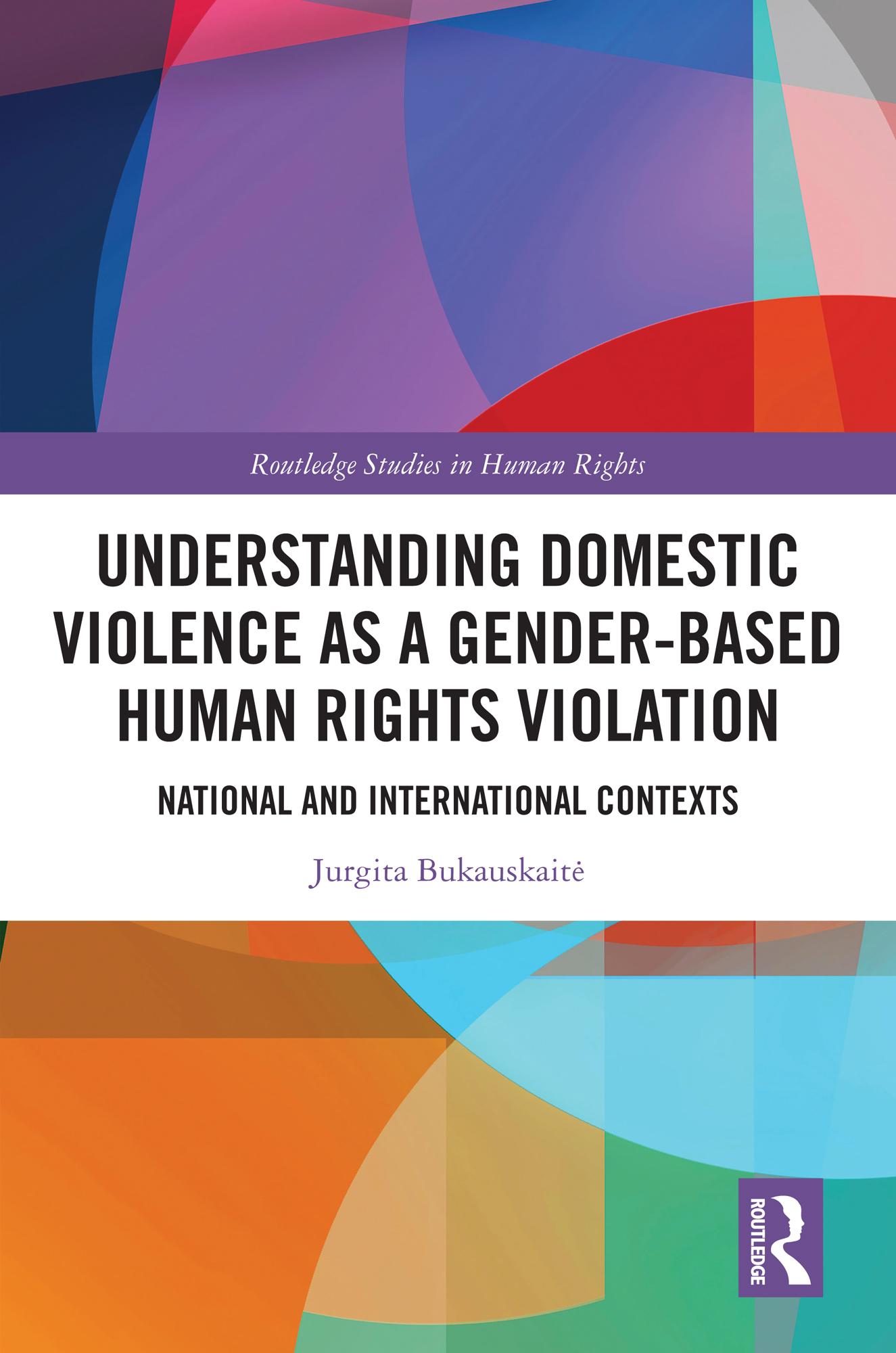
Examining the prevalent issue of domestic violence, this book breaks down the reasons behind the ineffectiveness of existing human rights instruments and the gaps in current legal systems failing those in need. Through a variety of key case studies, it reveals significant gaps in the legal conceptualisation of domestic violence between human rights standards on the one hand and the national legal systems examined—those of Ireland and Lithuania—on the other.
The book reveals that, contrary to gender-based universal human rights approaches and despite recent legislative reforms, the legal concept of domestic violence is gender-blind. It fails to capture gender-based empirical realities on the ground, rendering national legal systems devoid of an empirically informed theoretical basis for addressing the problem. Despite the differences in the contextual backgrounds of the two case study countries, the legislation on domestic violence is underpinned by patriarchal beliefs in both.
This book employs a gender-based examination of the issue that will be of key interest to scholars, legal practitioners, civil society actors, and students of feminist legal theory, gender equality, gender in international law, gender and human rights and conceptual democracy.
Płać wygodnie kartą, Klarną, Apple Pay lub Google Pay. Nie jesteś zadowolony? Zawsze masz 14-dniową gwarancję zwrotu pieniędzy. Więcej przeczytasz w naszych warunkach. Masz pytania? Napisz do nas na hello@memmo.org.
Memmo ułatwia naukę – gdziekolwiek jesteś na świecie. U nas znajdziesz podręczniki i sprytne narzędzia do nauki w jednym miejscu: streszczenia, quizy, podcasty i fiszki. A do tego Ted, Twój kumpel do nauki, który odpowie na wszystko, co Cię nurtuje. Ponad 50 000 studentów już tu się uczy – stworzone, byś uczył się szybciej i mniej stresował.