
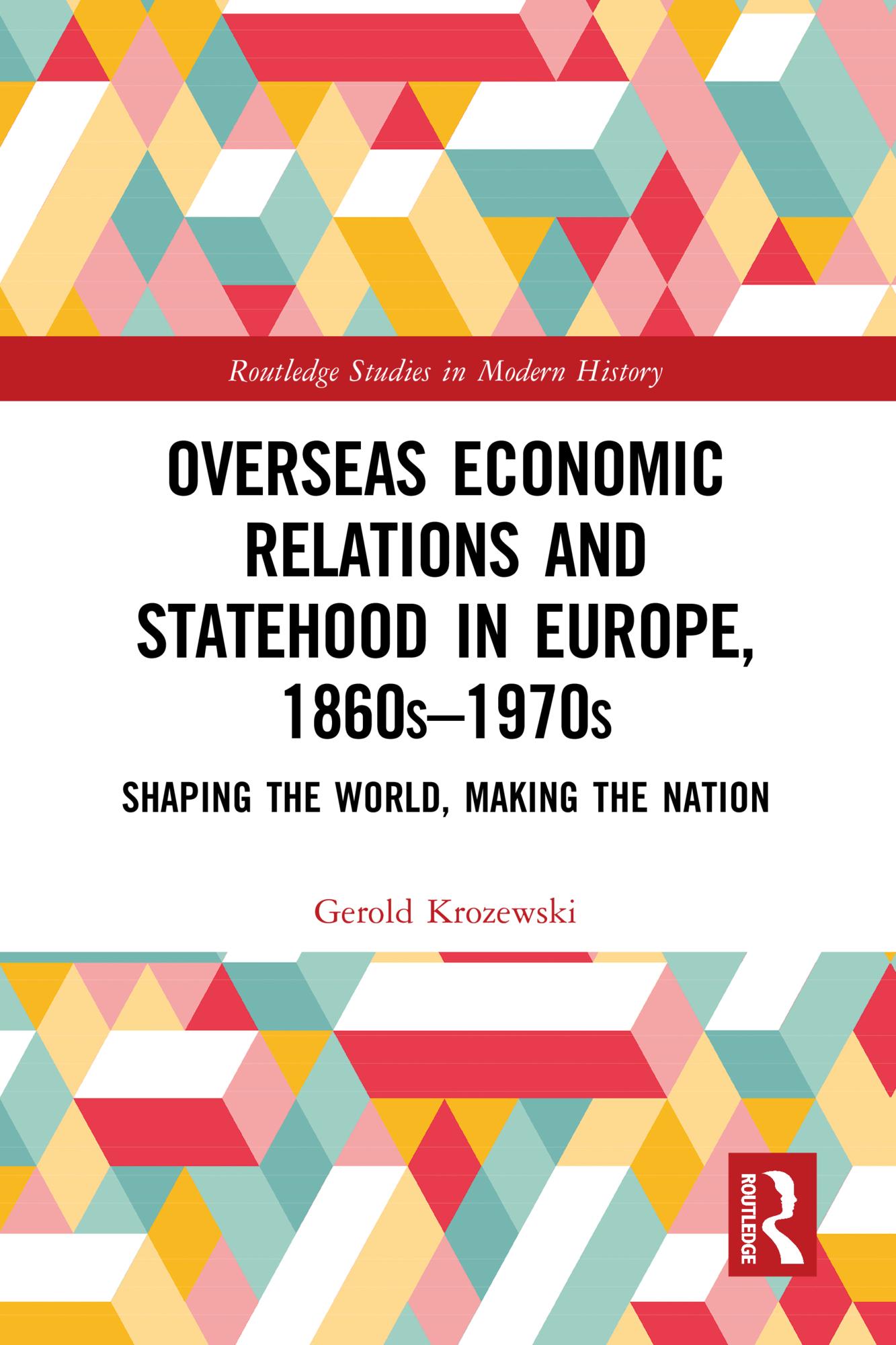
Drawing on official, archival, and published sources, this book explores how the formative history of the European nation-state was embedded within economic globalization and associated with conceptions of the world overseas.
With a particular focus on France, Germany, Italy, and Britain, this research investigates how overseas relationships shaped state governance. The argument departs from conventional histories by linking together the analysis of economic relationships and political cultures, examining the ways in which state agency formed in different areas such as national economy building, the organization of overseas raw material and food supplies, labour, migration, and national identity. Spanning over a century, the book discusses the changing role of overseas colonies in European national development. Once a means to complete economic liberalization, colonies were then envisaged as tools of crisis management before, in the mid-twentieth century, complementarities in imperial-colonial economies shifted away from empire.
This volume covers neglected aspects of the transnational history of European nation-states and is an ideal resource for students and researchers interested in the ties between Europe, Africa, and Asia, as well as connections between political, economic, and social relations and their conceptualizations.
Płać wygodnie kartą, Klarną, Apple Pay lub Google Pay. Nie jesteś zadowolony? Zawsze masz 14-dniową gwarancję zwrotu pieniędzy. Więcej przeczytasz w naszych warunkach. Masz pytania? Napisz do nas na hello@memmo.org.
Memmo ułatwia naukę – gdziekolwiek jesteś na świecie. U nas znajdziesz podręczniki i sprytne narzędzia do nauki w jednym miejscu: streszczenia, quizy, podcasty i fiszki. A do tego Ted, Twój kumpel do nauki, który odpowie na wszystko, co Cię nurtuje. Ponad 50 000 studentów już tu się uczy – stworzone, byś uczył się szybciej i mniej stresował.